Please be aware that I am no longer offering custom art services. If you are interested in purchasing my art work, a limited supply of prints, mugs, etc. is available through my website Red Bubble: www.redbubble.com/people/jsjschmidt2017.
While its been fun to work on client art, I want to focus more on illustrating my personal vision in my artwork expressing my own thoughts and feelings. I very occasionally post on Facebook or Instagram from my sketchbook.
This fall I will be teaching a class geared specifically for beginners. If you’ve always wanted to draw but didn’t know where to start, my class is perfect for you! Visit http://www.delaplaine.org and follow the link for instruction, then select Teen and Adult Workshops, and choose, Drawing for the Absolute Beginner.
About a century ago (well I exaggerate a little); I was a college student studying art at McDaniel College in Westminster, MD. I had a brilliant and successful art teacher named Steve, who demonstrated how the practice of art making and the hatching of new ideas could be brought to life. He taught me many useful things, such as how to keep an art sketchbook pasted with photos of art work by artists I admired, and how to write about my art in a way that expressed my unique artistic voice. Above all, his most important advice was that I should draw every day. At the time, that task seemed quite difficult. I was always an inpatient artist as a student and I often rushed through the drawing stage to hurry up and get to the painting. Now that many years have passed since my graduation from McDaniel, I can truly see the wisdom of his advice.
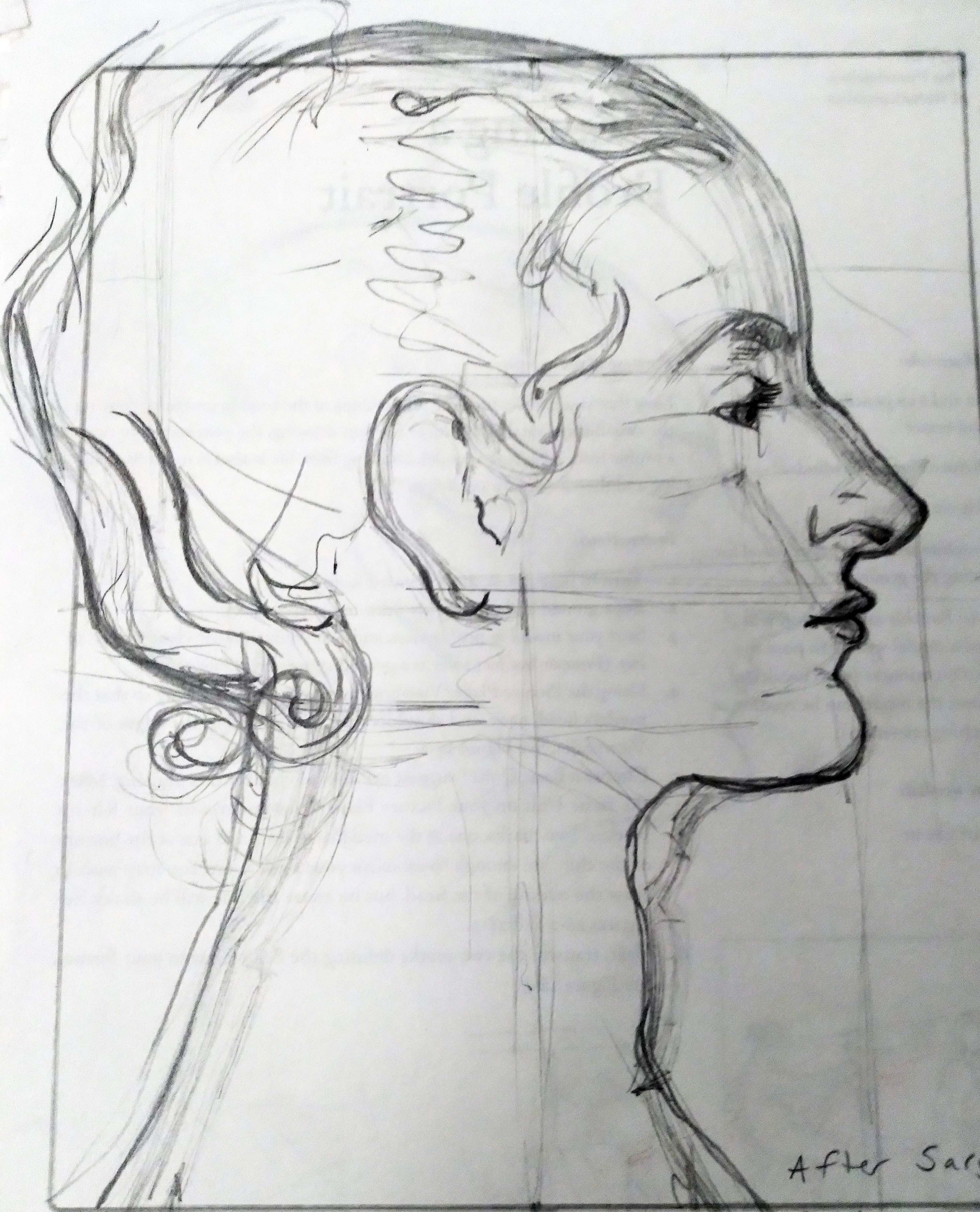
With hindsight, I realize that he was so right about drawing every day. I no longer rush art work and I have learned to love drawing, whether it becomes a painting or not. In fact, I have embraced his advice of a daily drawing habit and I have worked on several art challenges for both human portraiture and pet portraits on my Instagram account. One of these challenges is called 100 faces in 100 days, in which I drew a pre-selected photo of a celebrity using only pencil and paper. I did not add in a lot of detail or shading and I limited myself to 45 minutes a day.
At present, I am struggling to carve out time for drawing. Sandwiched in between working, and other responsibilities, I am striving to make time at least 1x a week to draw. This time, I am focusing on making simple graphite sketches in my sketchbook, mostly portraits or figures.
The most important take away I can say about drawing and getting good at it, is that it really helps your art practice to flourish. For instance, once you have the drawing and composition mastered, you can enjoy the next step more fully, whether its collage, painting or some other art form such as graphic design or sculpture. With an accurate drawing, you won’t have to worry about continuing to fix it and can fully embrace your next steps.
If you want to put this idea of drawing as a practice into effect, you are in luck! I will be teaching two drawing classes at Delaplaine Art Center this Fall. The first class, Drawing for the Absolute Beginner, is tailored on those who have never taken an art class, and need the basics such as shading, measuring, and drawing techniques such as contour and blind contour drawing.
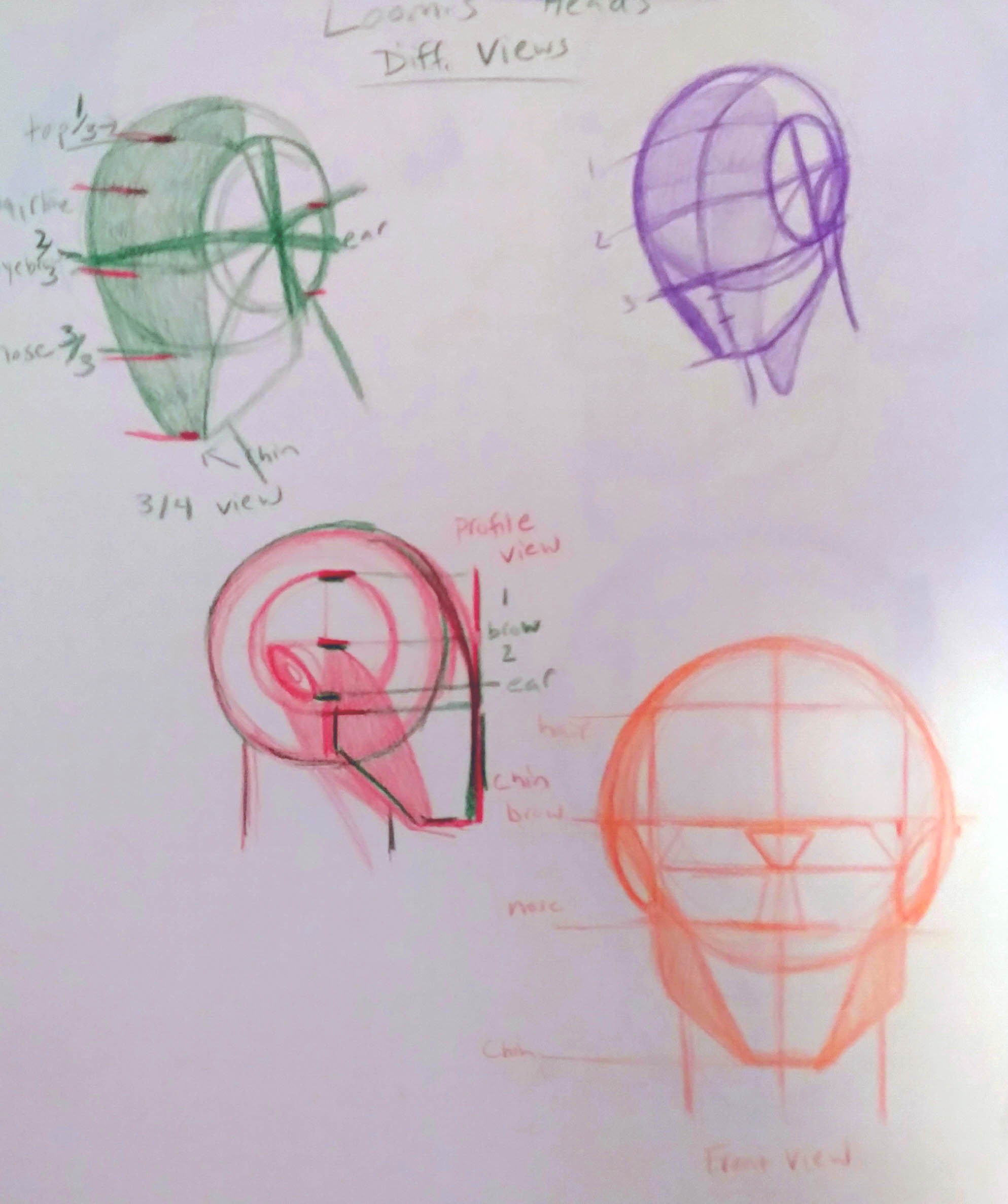
And the second class is for more seasoned artists who want to learn how to draw a portrait. This is a great class for those who have always wanted to draw portraits but don’t know where to start. I will teach you construction techniques such as using shapes to construct, the Loomis Method and anatomy to give you a solid foundation to build upon. Check out this links to learn more: https://delaplaine.org/class/?id=25-2-DR06(Drawing for the Absolute Beginner) and (Advanced Drawing: How to Build a Portrait):https://delaplaine.org/class/?id=25-2-DR07.
I wanted to share my latest art course news. This fall I will be teaching two art courses at the Delaplaine Art Center in Frederick, MD. Do you think you can’t draw? Take my beginner drawing course, Drawing for the Absolute Beginner, and challenge your assumptions! Drawing for the Absolute Beginner, will focus on basic drawing skills, inspired by the teachings of art teacher, Betty Edwards, and incorporate various drawing media, such as: pencil, charcoal, and ink. Class starts on 10/15/24 at the Delapaline Art Center, Frederick, MD.
Did you know that drawing is a learned skill, and that you can improve your skills with guided instruction and practice? Based on my experience as an artist and art teacher, I have learned that it really isn’t about talent, and there are specific skills which you can learn such as: drawing from photos, drawing from life, sighting, smooth shading and incorporating drawing templates like the Loomis method, to help you achieve more realistic results. Both of my courses, Drawing for the Absolute Beginner, and Advanced Drawing will explore these fundamental skills, and provide you with plenty of open studio time to practice what you learn. Step by step instruction will be provided, and constructive critiques are available upon request to help develop your skills.
Have you always wanted to draw portraits, but didn’t know where to begin? The other course, Advanced Drawing, is tailored for artists who want to advance their drawing skills, and will focus on techniques for drawing the portrait. Techniques including: the Loomis and Reilly method, will give you a frame work for constructing a portrait in a realistic style. I will provide you with the skills you need to draw in beginner level or advanced level, so there is a place for everyone!
Whichever course you choose, making art work in my class can bring peace, calm and creativity to your life. Make time for self care, meet other artists, and re-engage with your creativity! In one of my courses, a former student reports that: “Now I have many tools to use for practicing art!”
Tap the link below to learn more about my Beginner and Advanced Art Courses: http://www.delaplaine.org. Don’t wait, sign up today before classes fill up. Fall is one of the busiest seasons for art courses at the Delaplaine! If you wait, you might not be able to get a spot, and I only teach these courses two times a year.
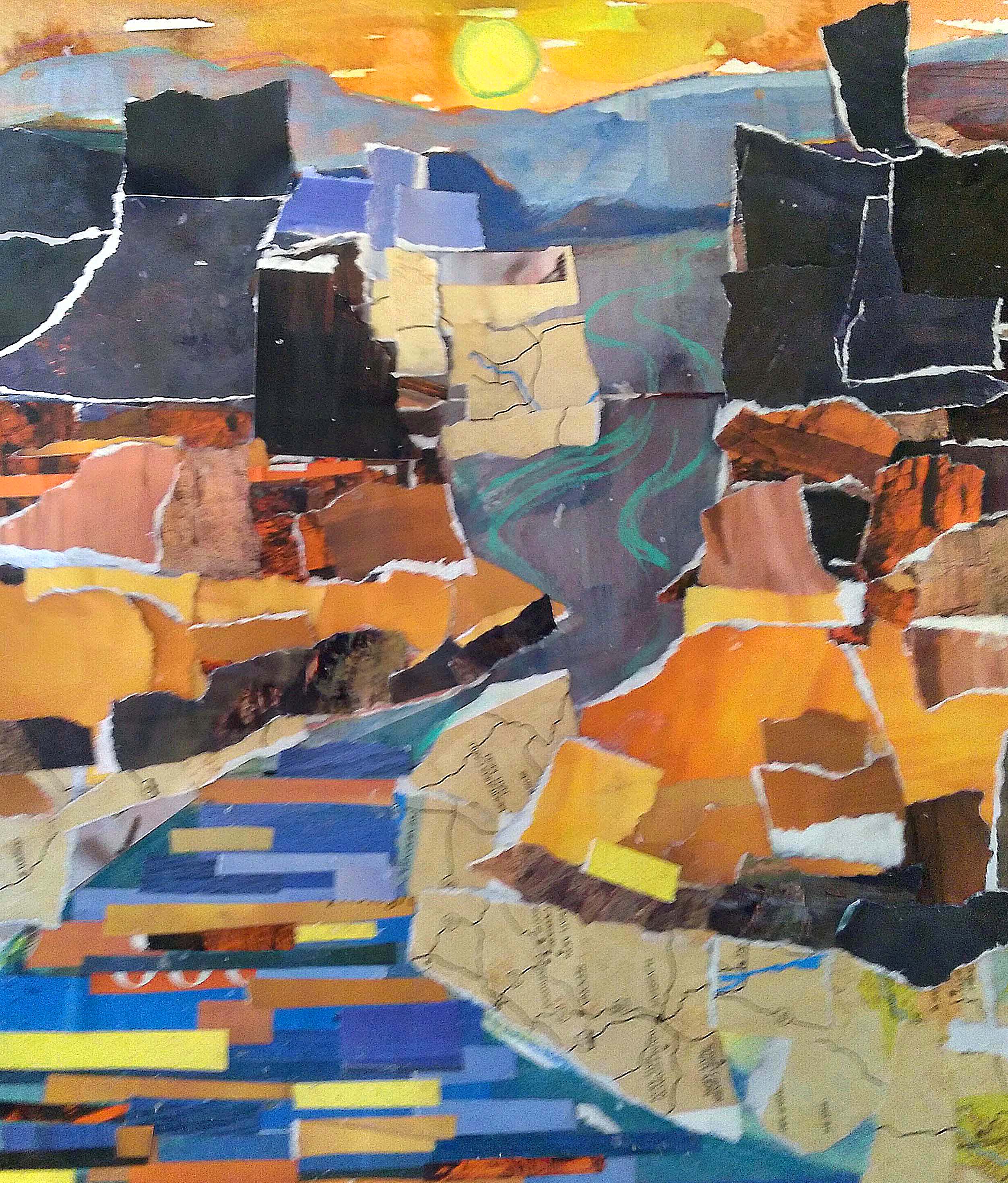
Beat the heat and take an art course from me, or two! The upcoming courses I am teaching this summer are: Drawing into Calm, and Continuing Landscapes. Have you ever wanted to learn what types of art media are compatible, or do you have a passion for art history? We will explore both of these topics in my mixed media course, Drawing into Calm. Drawing from the works of Monet, Paul Klee, Gustave Klimt, and many other artists, we will create mixed media art and explore a variety of drawing and painting media, such as watercolor, collage, and acrylic painting. Classes begin on June 22nd at the Delaplaine Art Center in Frederick, MD. To learn more, please visit http://www.delaplaine.org.
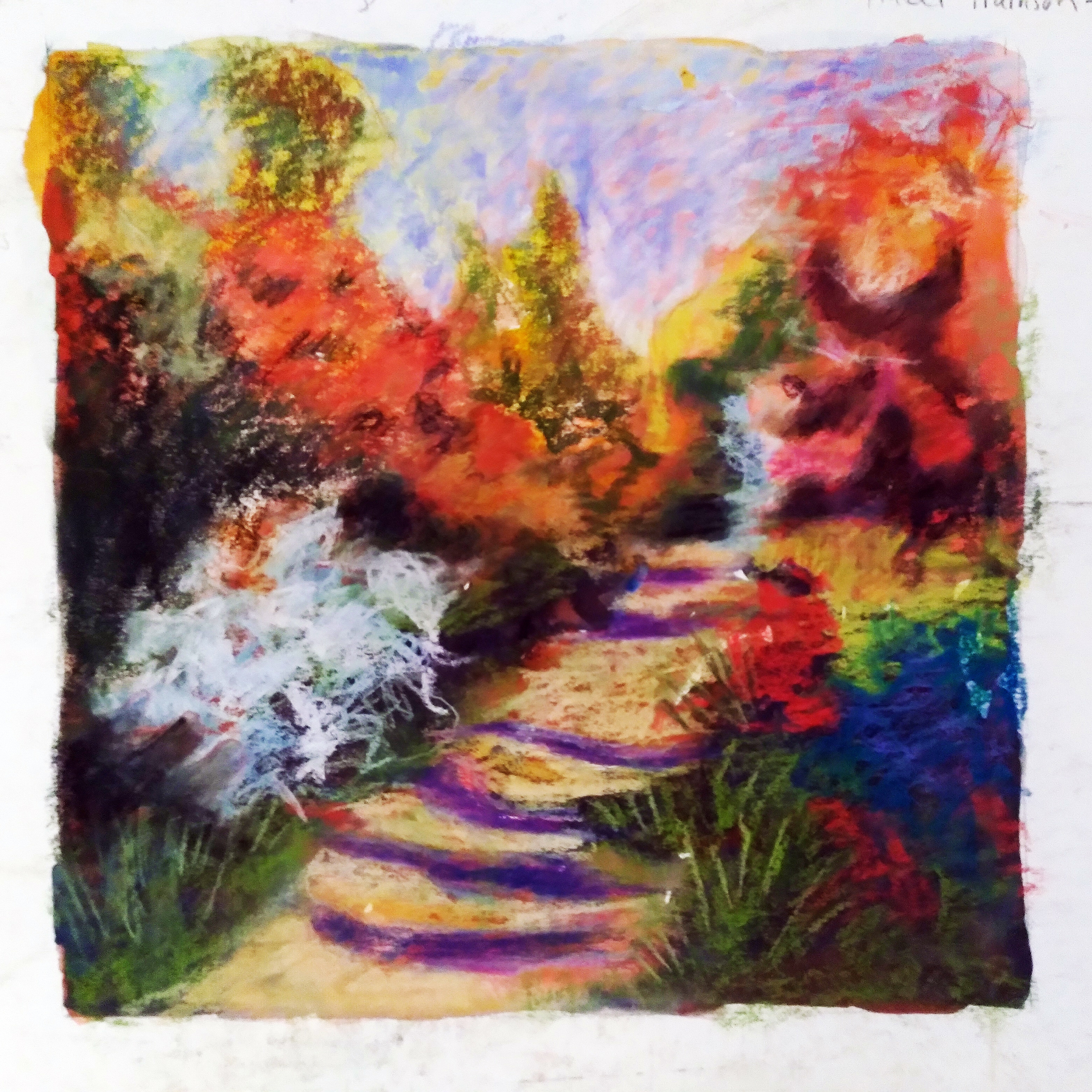
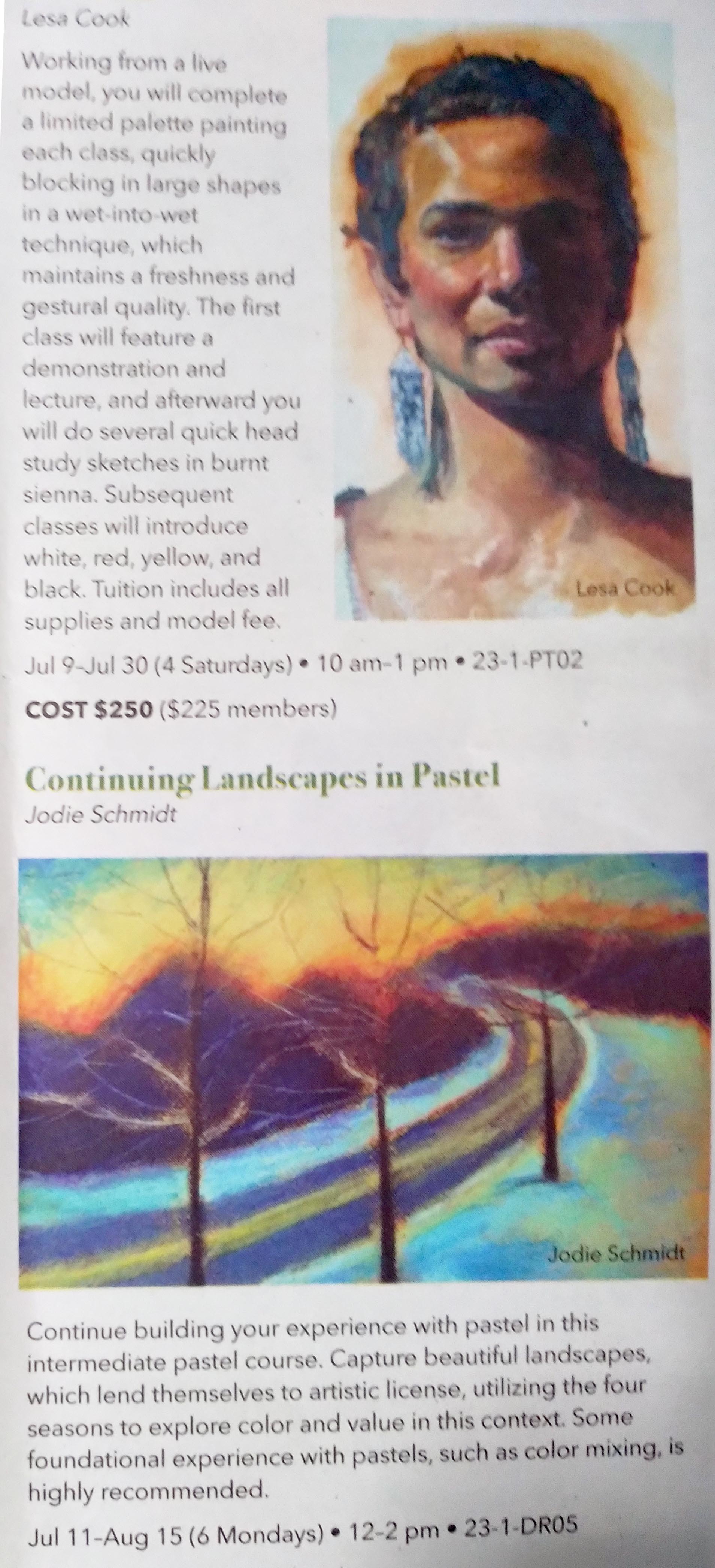
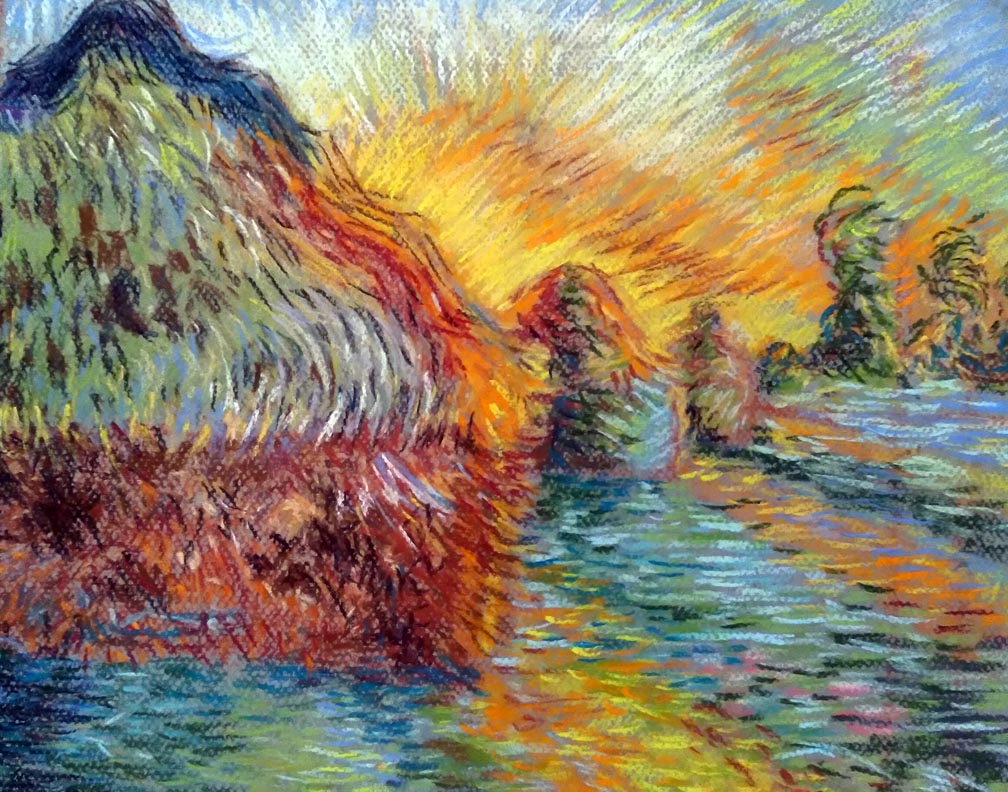
And last but not least, I will be teaching a course on how to draw the landscape in pastel, with a focus on depicting a variety of landscapes at different times of the year, including beach scenes and mountain landscapes. I will teach you how color and value can be used to depict different times of the year. In addition, specific lessons will include art demonstrations that teach you how to combine watercolor and pastel to make stunning garden landscapes! To learn more, visit http://www.delaplaine.org. This course will begin on July 11th at the Delaplaine Art Center in Frederick, MD.
Art Demonstration from Continuing Landscapes Course, watercolor and pastel on illustration board, Jodie Schmidt, 2020. Delaplaine Catalog image, Photo: Continuing Landscapes Course, Jodie Schmidt, 2022.Art Demonstration from Drawing into Calm, Magazine Collage, The Grand Canyon, Jodie Schmidt, 2022.Delaplaine Catalog, Photo: Drawing into Calm, Jodie Schmidt, 2022.
I wanted to share with you that I am teaching art classes at a variety of locations this winter! My first venue is at the Adams County Arts Council, where I will be teaching Classic Drawing and Introduction to Pastel. Both are beginner classes, but Classic Drawing focuses more on value than color mixtures, which I focus on in the Introduction to Pastel course. Click here to learn more about these classes, https://www.adamsarts.org/classes/.
As an artist, I often hear comments such as, “You’re so talented,” or some variation on that theme, whether it is a comment that is posted online or an in-person encounter. I’ve gotten this remark from friends, family, strangers, etc. And while it is always nice to hear such ego-boosting compliments, I feel the need to pull back the curtain on the mystique of the talented artist’s conception. In fact, when others interpret my completed paintings and drawings as evidence of a natural talent for art, that I was born with, my facility with drawing and painting has been the result of a systematic and long-term method of continuous practice, sometimes on a daily or weekly basis. This process is composed of some of the following ingredients: a strong passion to master drawing and painting skills, bloody-minded determination not to give up on art, and more often than not, failure. Not everything I draw or paint is successful is a masterpiece, and I am learning that that is ok; it is just part of the process of learning.
And perhaps most importantly, I grew up with parents who were very supportive of my pursuit of art education. For instance, my mom was the first one who introduced me to painting when she enrolled me in a watercolor class at the age of 9. I’ve been hooked on making art ever since! In fact, this summer I have embarked on a long-term drawing challenge to improve my drawing skills and I am realizing there is still so much I need to learn, and that I need the discipline to get better at my craft.
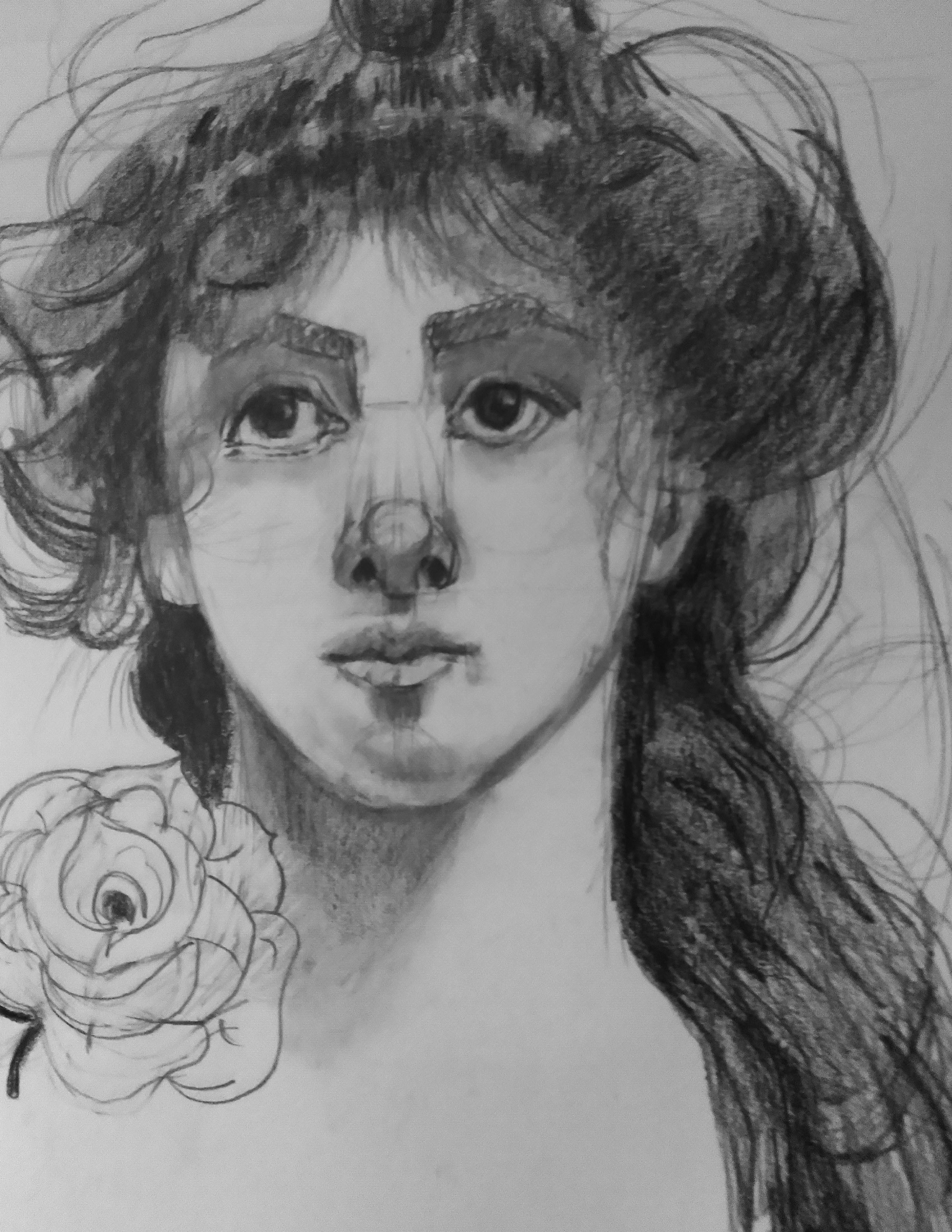
With regard to my weekly drawing practice, I have been working on a drawing challenge since June of this year, called, 100 Faces in 100 Days. In this challenge, I practice drawing on an almost daily basis. I focus on sketching celebrity portraits with paper and pencil, keeping the drawings simple so that they can be completed in about 45 minutes. Some days, the portraits seem to come together almost magically and I have very few drawing errors to correct, but, on other days like today, I really struggle to get things right with the portrait measurements. On days such as these, I make a lot of revisions to the drawing, erasing, measuring, and standing back to compare my drawing to the reference photo, until I am happy with the result, or the kitchen timer dings. And this phenomenon is nothing new. As an art student at McDaniel College, I had a lot of ups and downs, with paintings and drawings. Some were successful, others were not.
But, to return to my initial question, does natural talent exist? Although I am not a scholar or even a cognitive scientist, I theorize that many factors play into whether a person is able to show exceptional skill in drawing or painting or any other impressive level of aptitude in a given domain. For example, in specialties such as singing, playing an instrument or sports, etc. I think it is a combination both of one’s environment, (the conditions you grew up with), specific personality traits, such as a strong work ethic, and a strong desire to master a subject, and perhaps, introversion, since the practice of the fine arts and performing arts is often a solitary pursuit. I think if I just relied on my innate talent, (whatever that may mean), I wouldn’t grow artistically, because I would feel that no effort was required on my part to achieve growth. The question of where natural talent comes from has been discussed by Kauffman, (2013), who states that there has been an ongoing debate about whether natural talent exists or not.
Kauffman, 2013, states that in ancient time’s people believed that individual talent was linked to divinity, and that interest in this topic took a scientific turn in the nineteenth century, with the publication of the work, Francis Galton’s Hereditary Genius, which was published in 1869. Source: The Complexity of Greatness, by Scott Barry Kauffman, 2013. For example, Kauffman (2013), states that Galton made a study of “eminent lineages” and based on his findings, he theorized that talent was passed on to families from one person to another (Galton, 1874). According to Kauffman, 2013, Galton also acknowledged the importance of not giving up easily, but he discounted the significance of the environment as a determining factor of personal greatness for the individual, specifically with regard to celebrated scientists. The basis of Galton’s theory was that individuals were born with talent (Kauffman, 2013). On the other hand, Alphonse de Condole, (1873), “a French-Swiss botanist”, made the assertion that environmental factors play a critical role in the creation of exceptional talents, such as political conditions, religion, economic, social, and cultural factors. ( Source: https://blogs.scientificamerican.com/beautiful-minds/the-complexity-of-greatness-beyond-talent-or-practice/) and www.wikipedia.org.
Other theorists, such as the 18th-century painter, Sir Joshua Reynolds, argued that art students should not rely on their talent alone to produce great art, but that they should practice their craft diligently, (Kauffman, 2013). The contention about where skill or natural talent comes from has continued to be debated and studied among Scientists, scholars and researchers even as recently as the 2000s. For example, According to Lynn Helding, author of, Innate Talent, Myth or Reality?, 2011, the topic of greatness was more recently discussed by Psychology Professor, Anders K. Ericsson, who teaches at the University of Florida (Helding, 2011). Ericsson studied both the quality and amount of time it requires for an individual to achieve greatness in a specialty (Helding, 2011). In addition, some of the research he published on this topic was published as recently as 2015, in his article entitled, The effects of experience and disuse on Crossword solving, published in the periodical, Cognitive Psychology. Source: https://psy.fsu.edu/faculty/ericssonk/ericsson.dp.php. His studies into this topic have formed the basis for “the magic number 10,000 for the number of practice hours that it seems to take for anyone (including “so-called prodigies”) to attain a level of mastery at such high-level tasks such as tennis, golf, chess, piano, and violin. This term is also known as “The Ten Year Rule of Necessary Preparation.” (Helding, 2011).
However, since the well known and wealthy author and motivational speaker, Malcolm Gladwell, coined the phrase, “the 10,000-hour practice rule,” he frequently gets the credit for this theory and not Ericsson, or the eleven researchers “whose own deliberate practice, spread over more than a century, provided the data for the theory.” Source: http://scholar.dickinson.edu/cgi/viewcontent.cgi?article=1078&context=faculty_publications. Innate
Talent: Myth or Reality, Lynn Heliding, 2011, Mindful Voice. Journal of Singing 67, no. 4, pgs 451-458.
The question of whether natural talent real continues to be debated on discussion threads in Quora and Reddit, which are some forum-type websites, in which users can type in their questions and get responses to them from other community members. Users ask such as: “Does natural talent exist or are all skills learned?” cited in www. Reddit.com, in 2013. In addition, this question is much like the nature or nurture question, frequently discussed in academic psychology courses. Students and scholars alike have questioned how environment and genetics play a role in determining how an individual, “turns out.”
However, we may never know the exact percentages of how much genes or environment can affect individual outcomes, or even if there is some type of gene that gives people an advantage in subjects such as math, athletics, music, or art. But one thing I know for sure is that I am going to keep practicing and not give up my painting and drawing practice because I want to continue to grow as an artist. What about you? Do you think greatness is a skill that is solely learned by deliberate, ongoing practice or are some individuals born with some type of gene that gives them an advantage others do not have?
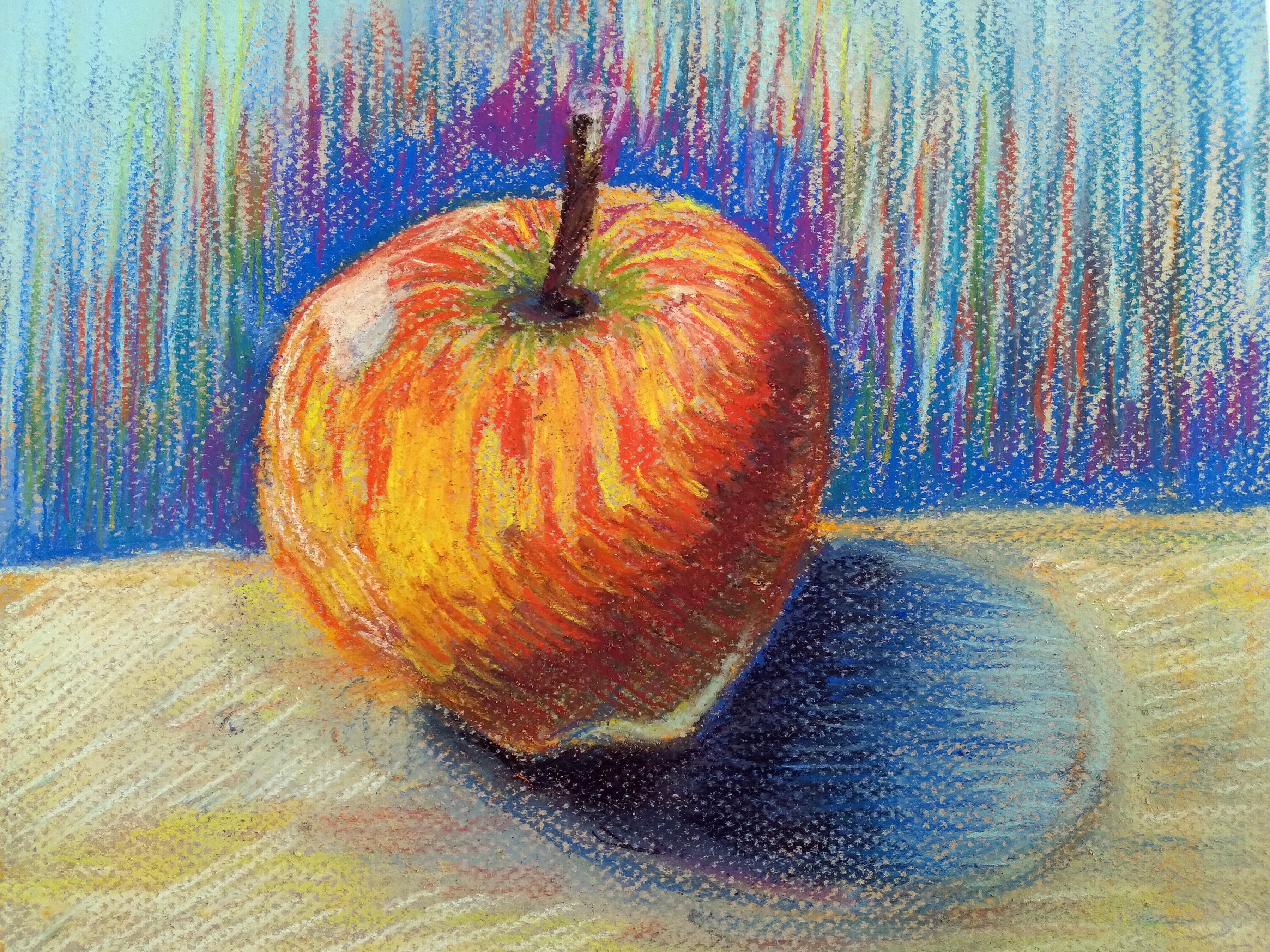
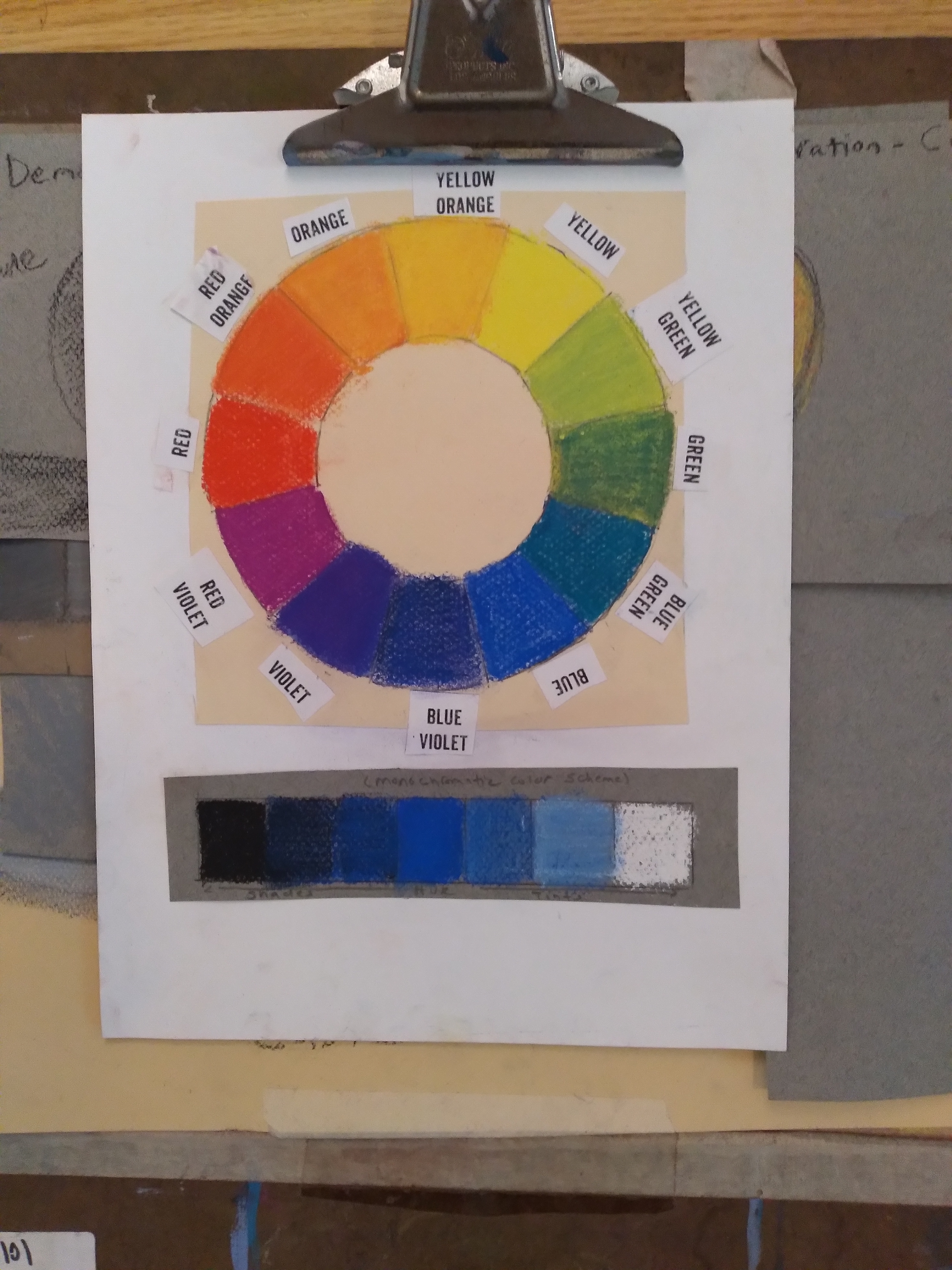
On that note of practicing your art, I want to add that I am now teaching two beginner art courses, at the Adams County Arts Council, and at the Delaplaine. The beginner courses I am teaching at the Adams County Arts Council are Classic Drawing and Introduction to Pastel. The first course is for beginning artists or those who want to refresh their drawing skills and focuses mainly on constructing simple shapes and forms. The second course, Introduction to Pastel, combines basic drawing skills such as shape and form and introduces students to color theory and pastel techniques. To learn more, please visit http://www.adamsart.org. I am also teaching a pastel course, Getting to Know Pastels, at the Delaplaine Art Center, in Frederick, MD. It’s the same course like the one at the Adams County Arts Council, but it has a different title. To learn more, visit www.delaplaine.org.
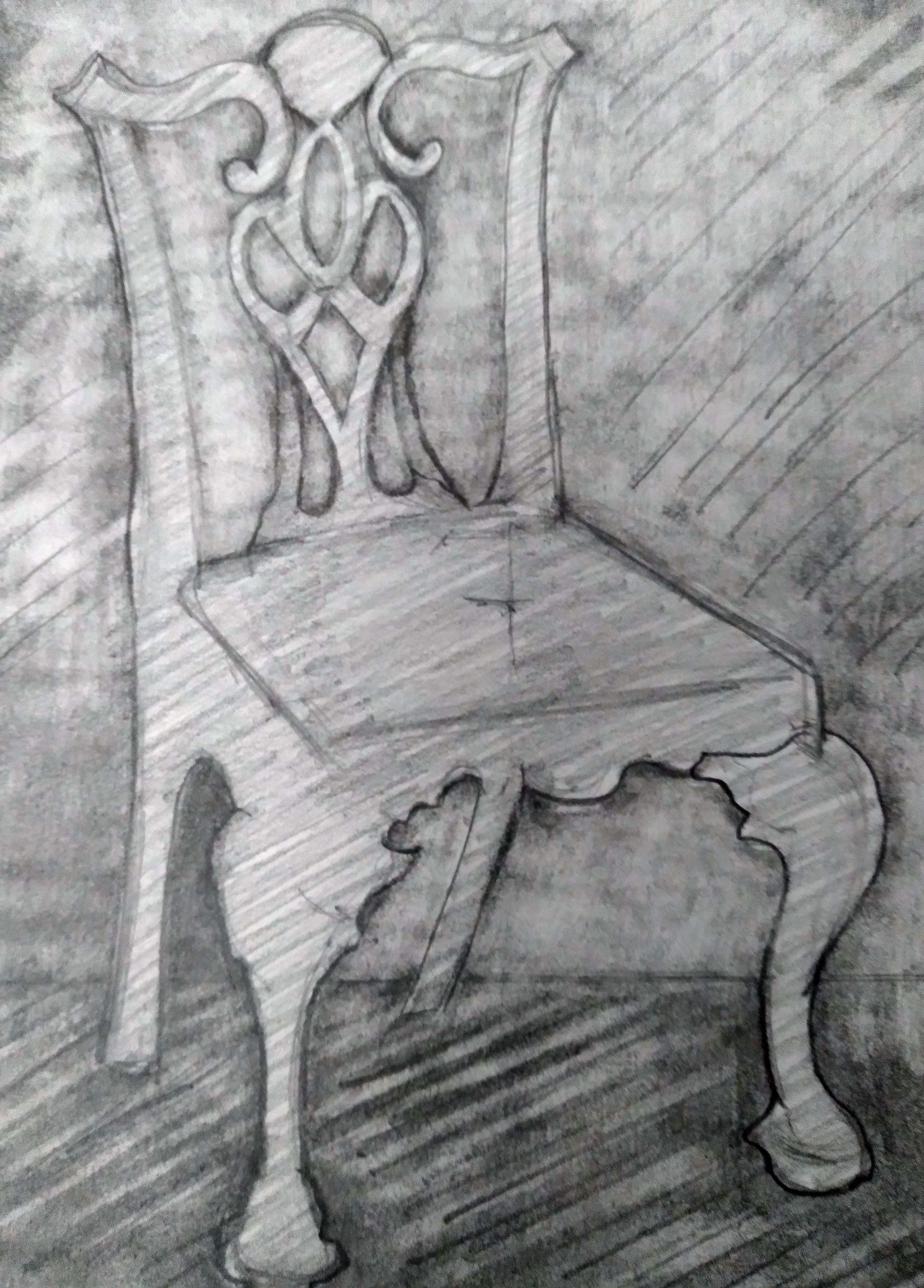
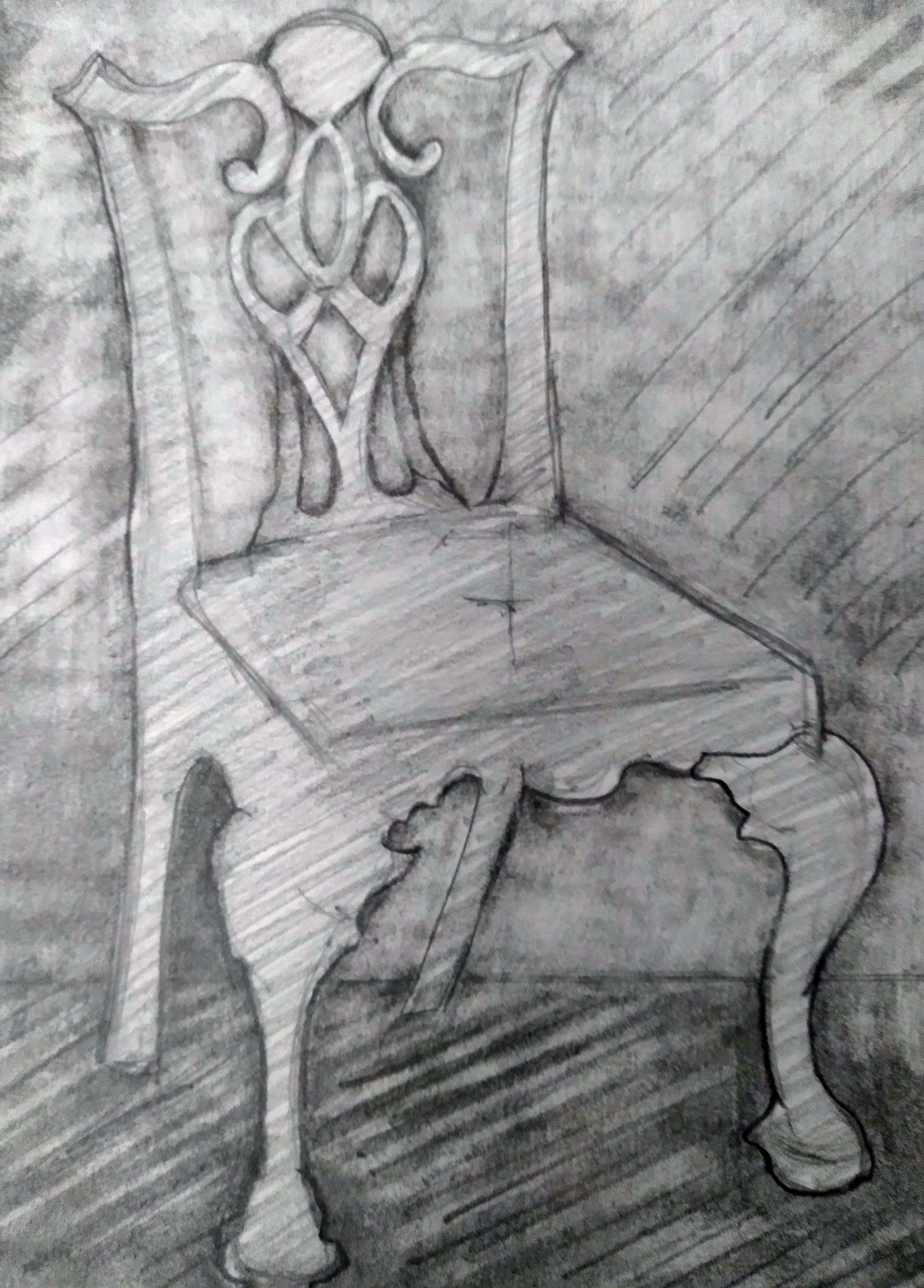
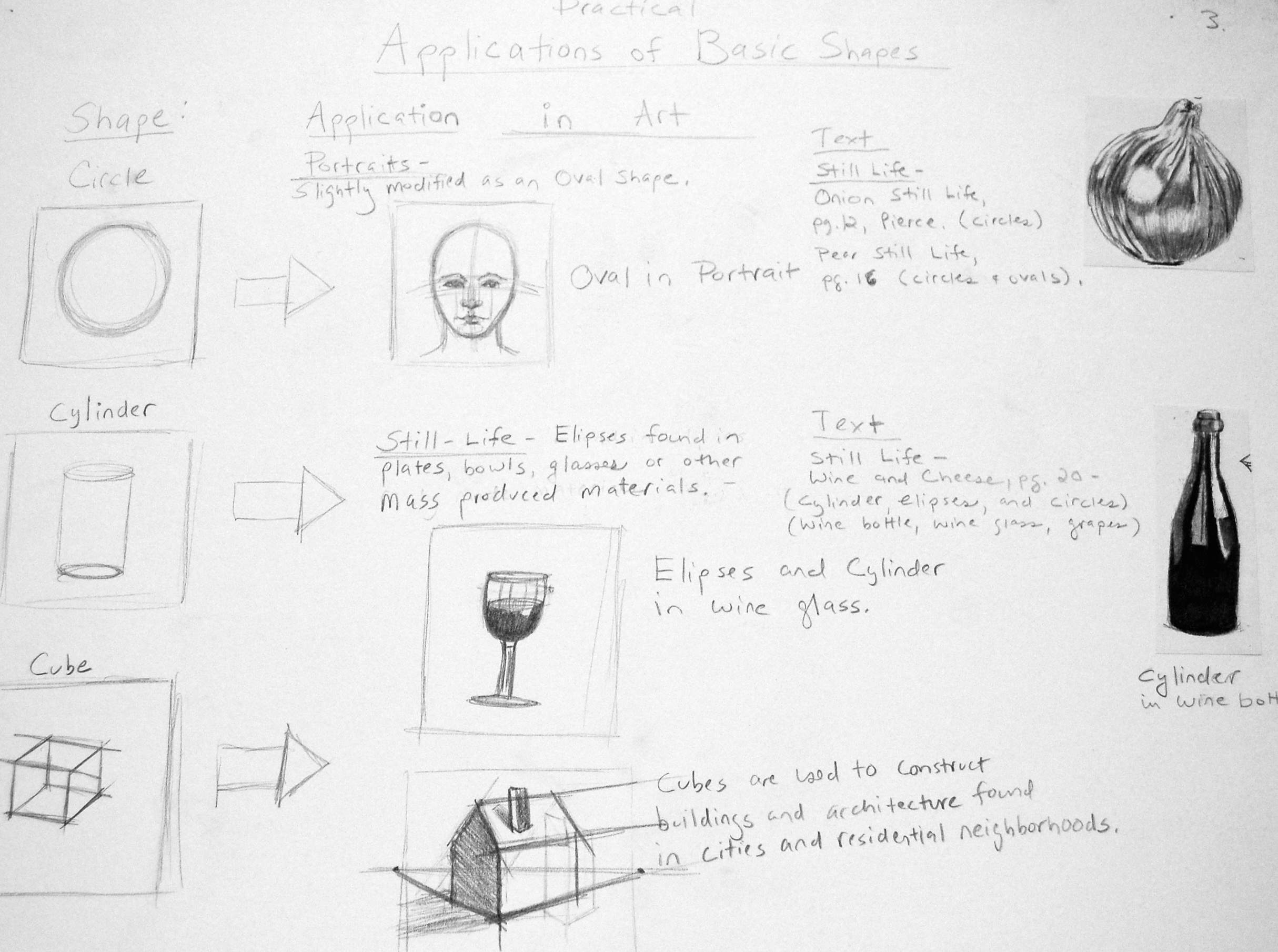
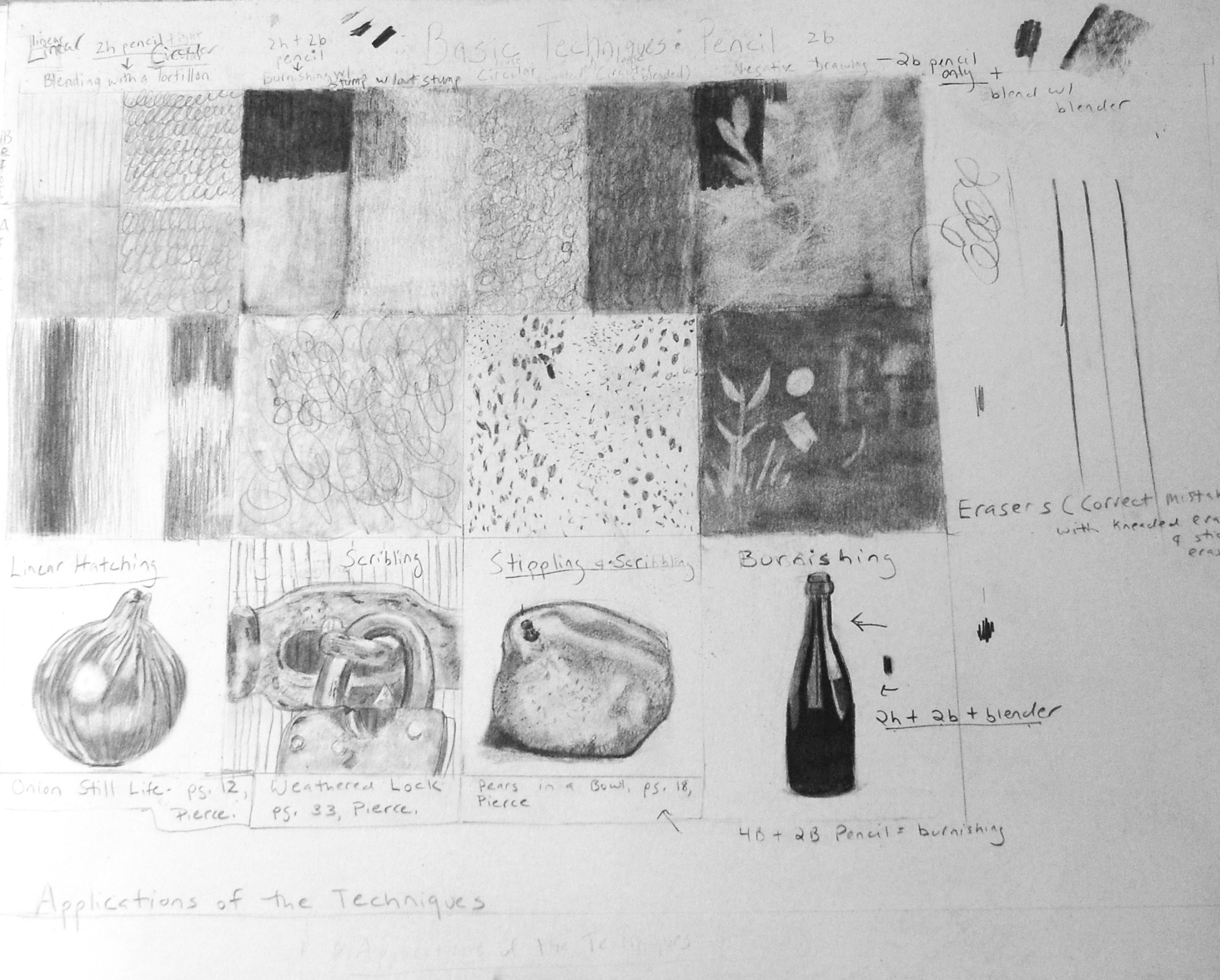
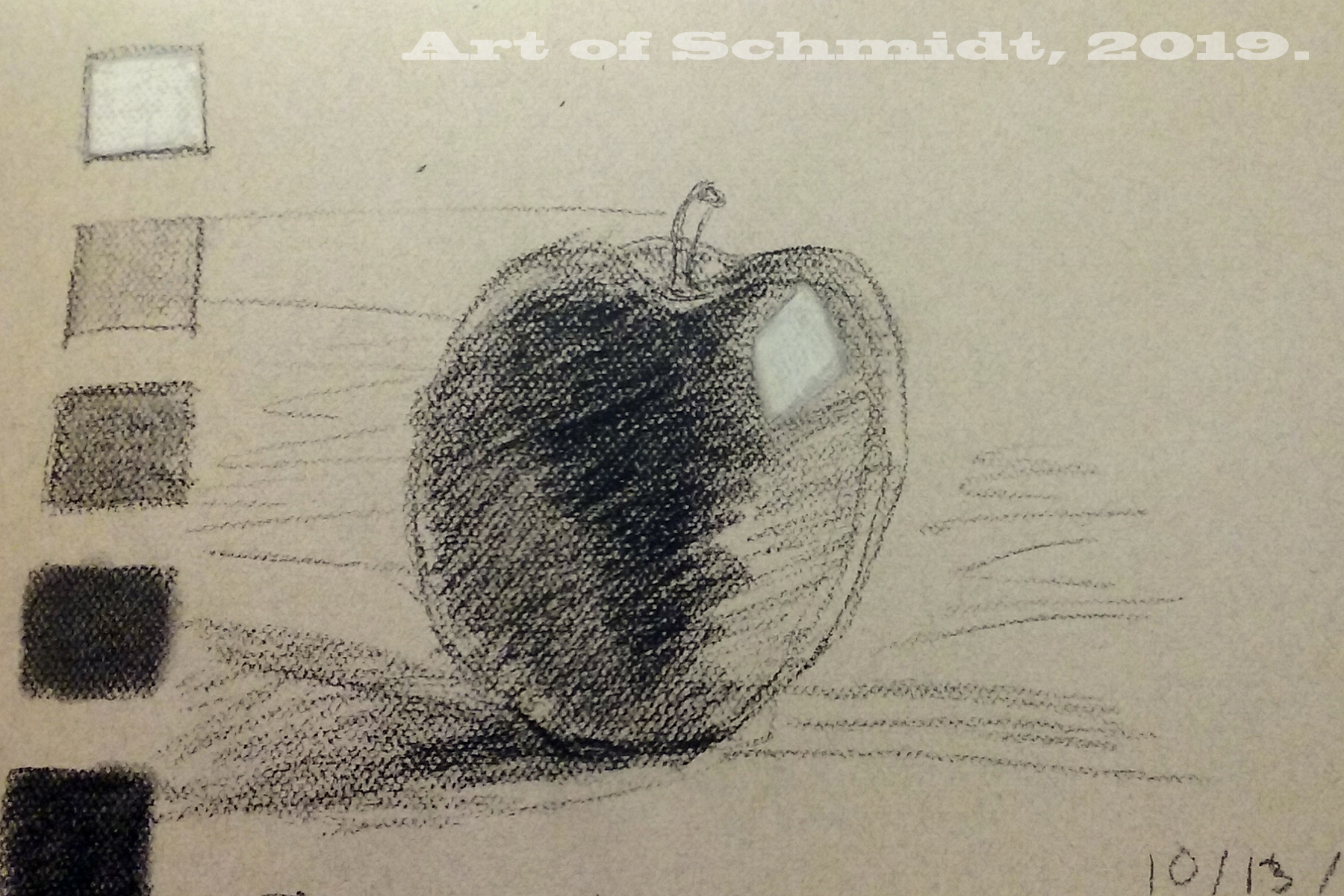
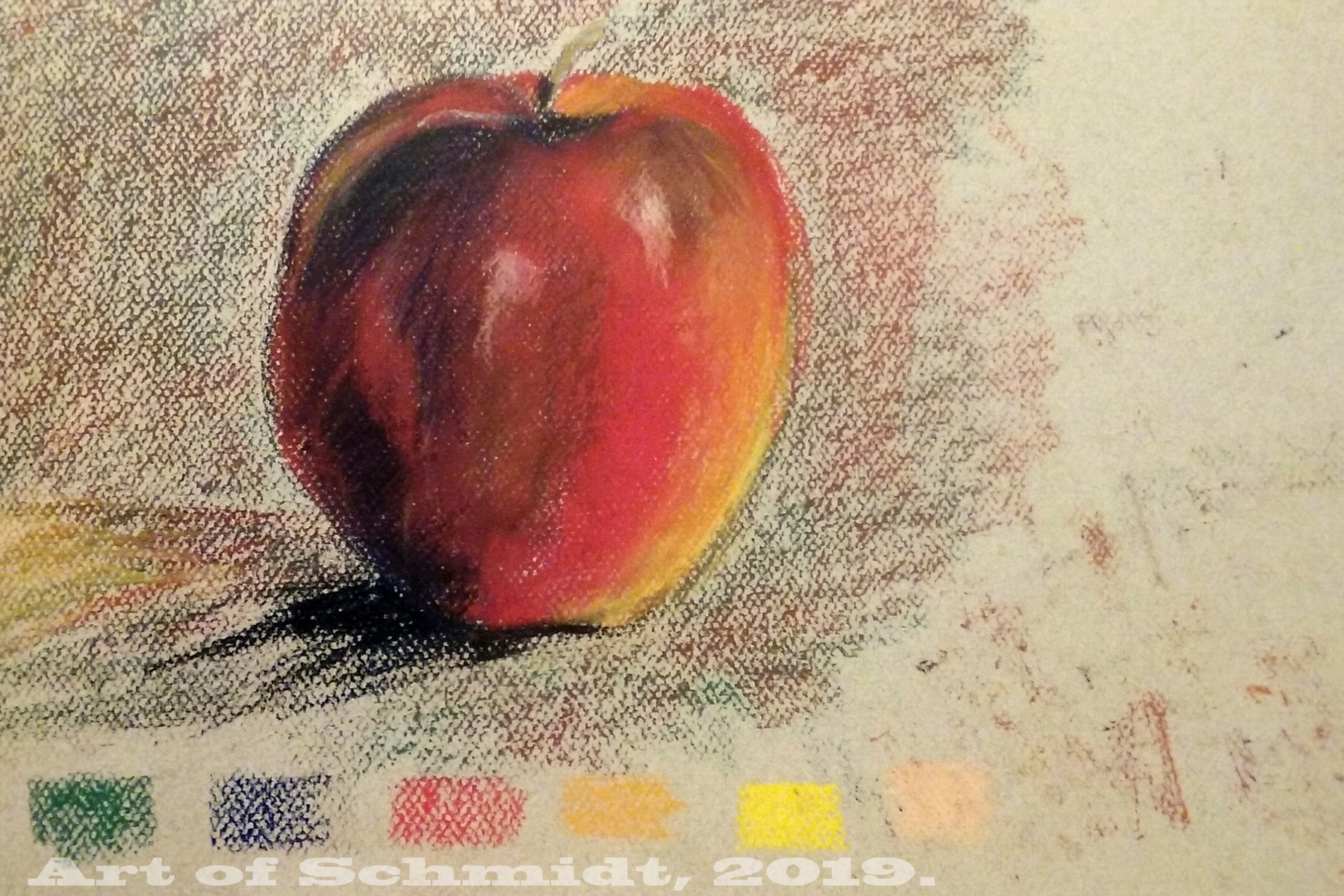
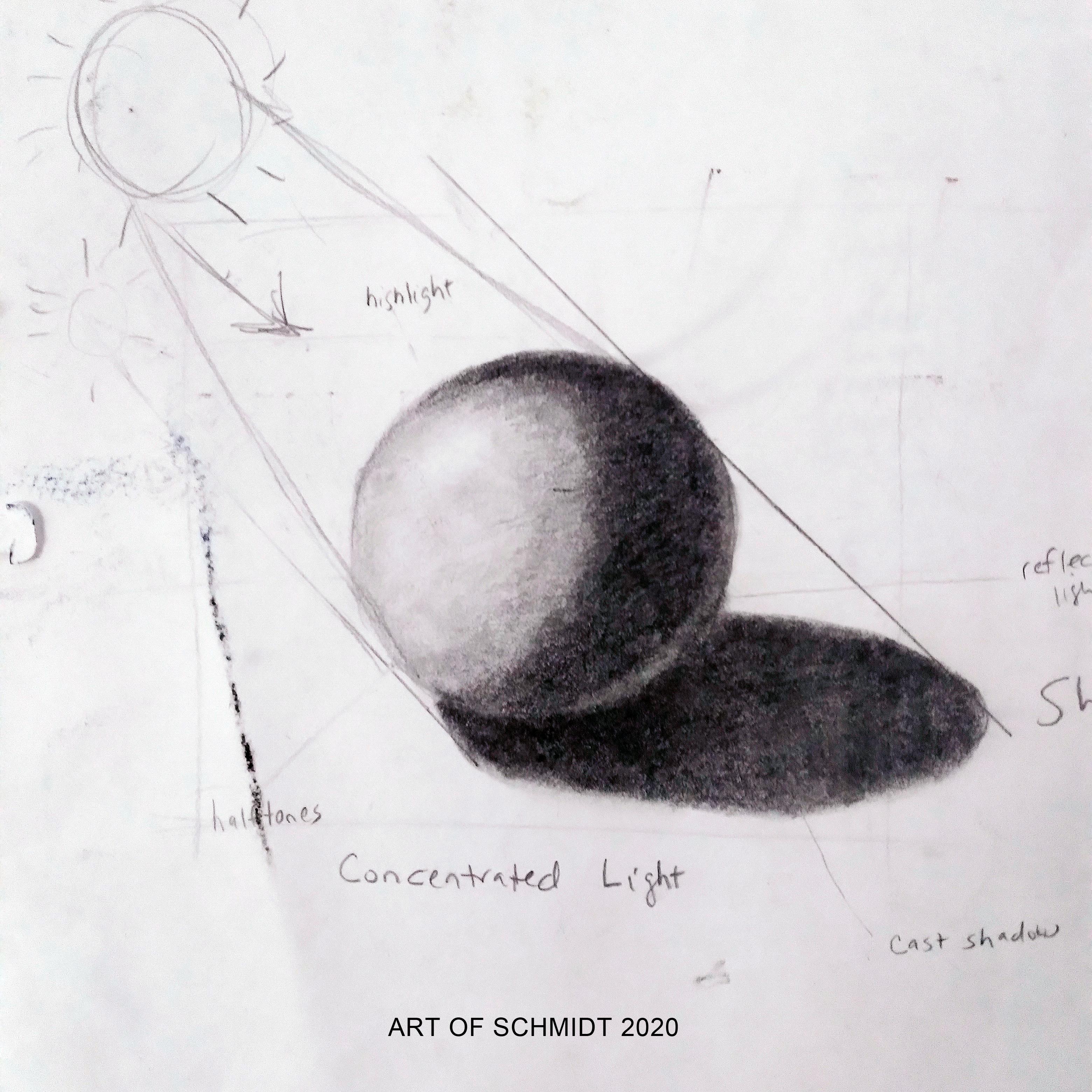
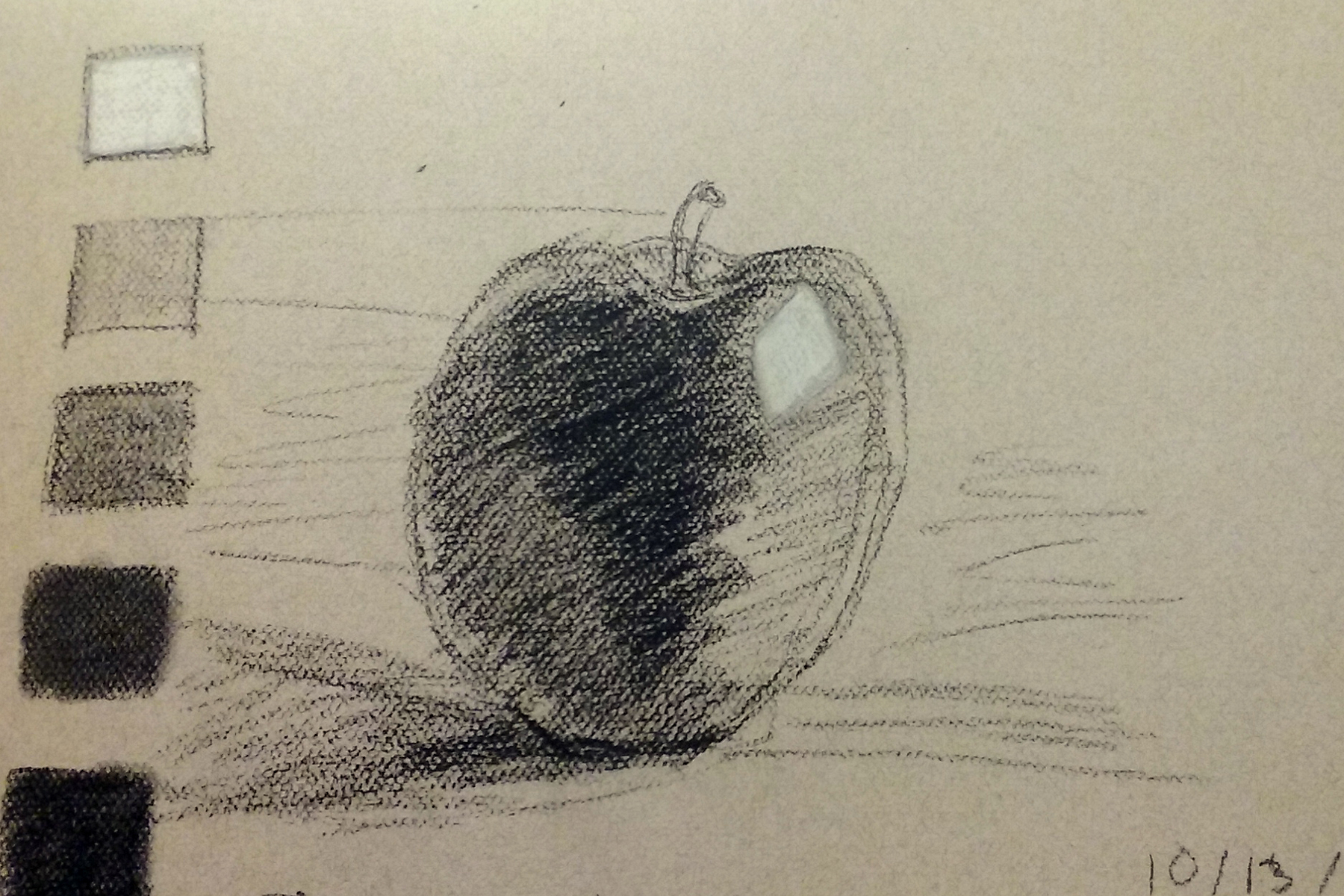
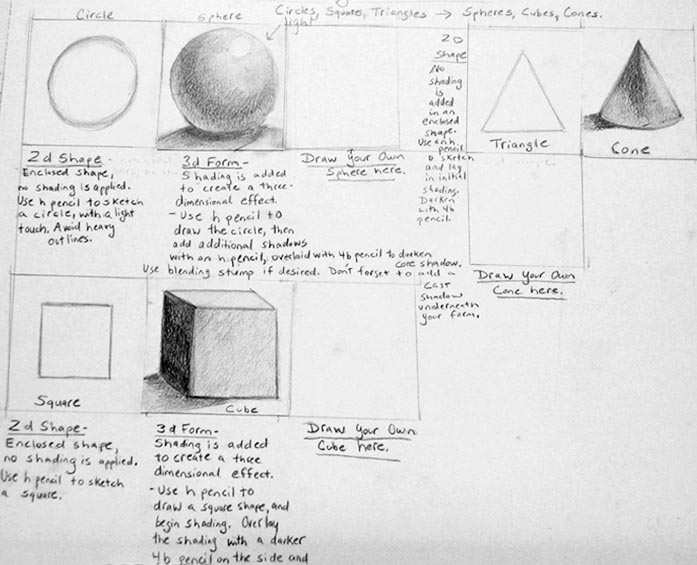
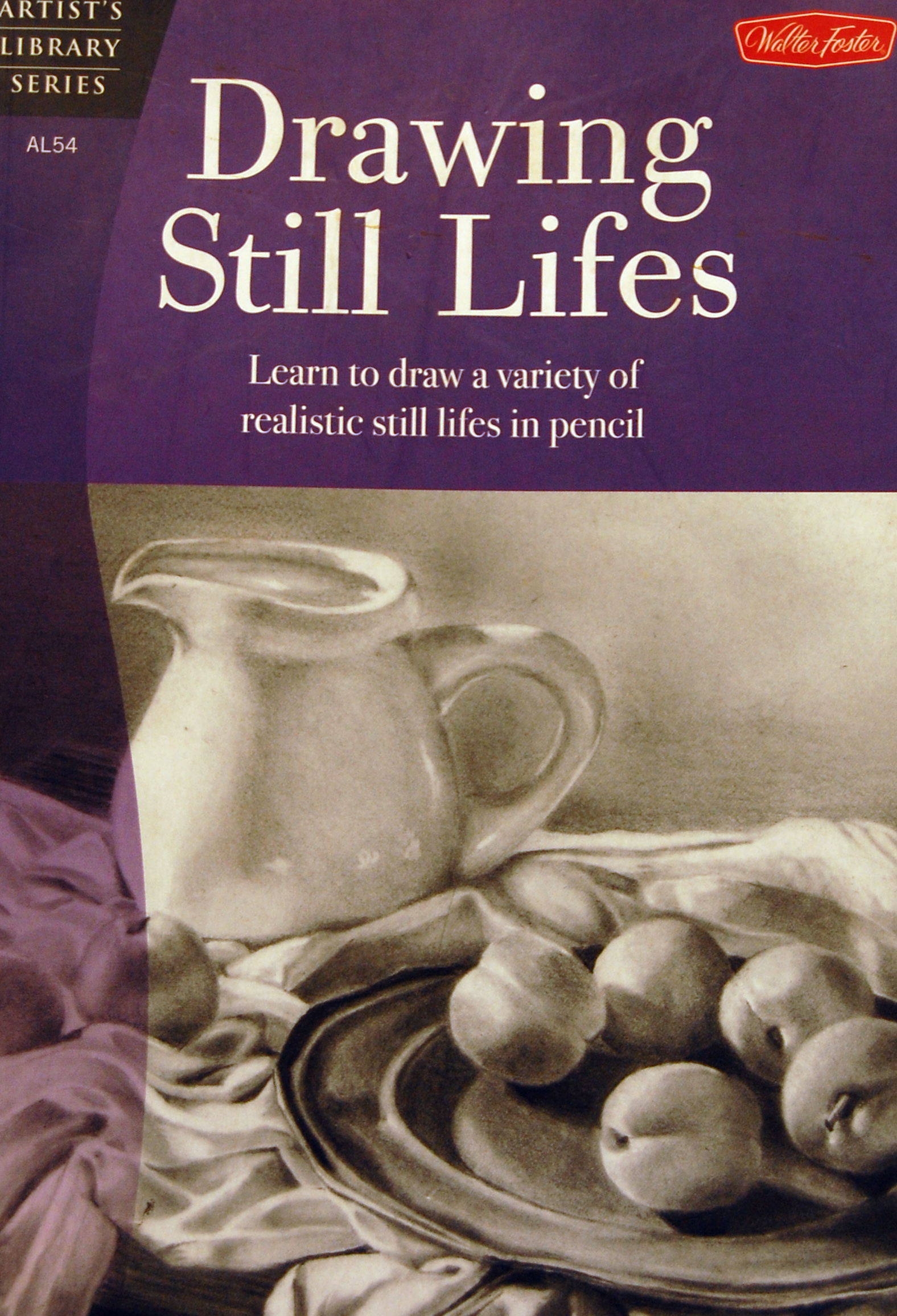
Note: This drawing is a copy I drew based on a sketch created by Steve Pearce in his book, Drawing Still Lifes, published by Walter Foster, 2013, pgs. 8-9. I use it solely for teaching beginner drawing techniques in my Classic Drawing course.Note: This drawing is a copy I drew based on a sketch created by Steve Pearce in his book, Drawing Still Lifes, published by Walter Foster, 2013, pg 7, and also from a virtual art tutorial, How to Shade with Pencil for Beginners, Rapid Fire Art, http://www.youtube.com . I make use of this sketch when teaching my Classic Drawing course to explain how a light source acts upon an object to create value.Note: This is a copy I sketched from a you tube tutorial, Gettin’ Sketchy, 30 Minute Drawing Excercise, Lemon, The Virtual Instructor, http://www.youtube.com. It’s an extra excerise I make available to my pastel students when and if, they ask for a longer demonstration for shading than I can provide in class.Note: This drawing is a copy I drew based on a sketch created by Steve Pearce in his book, Drawing Still Lifes, published by Walter Foster, 2013, pg 23. The wine and cheese sketch is a final project in my Classic Drawing course.
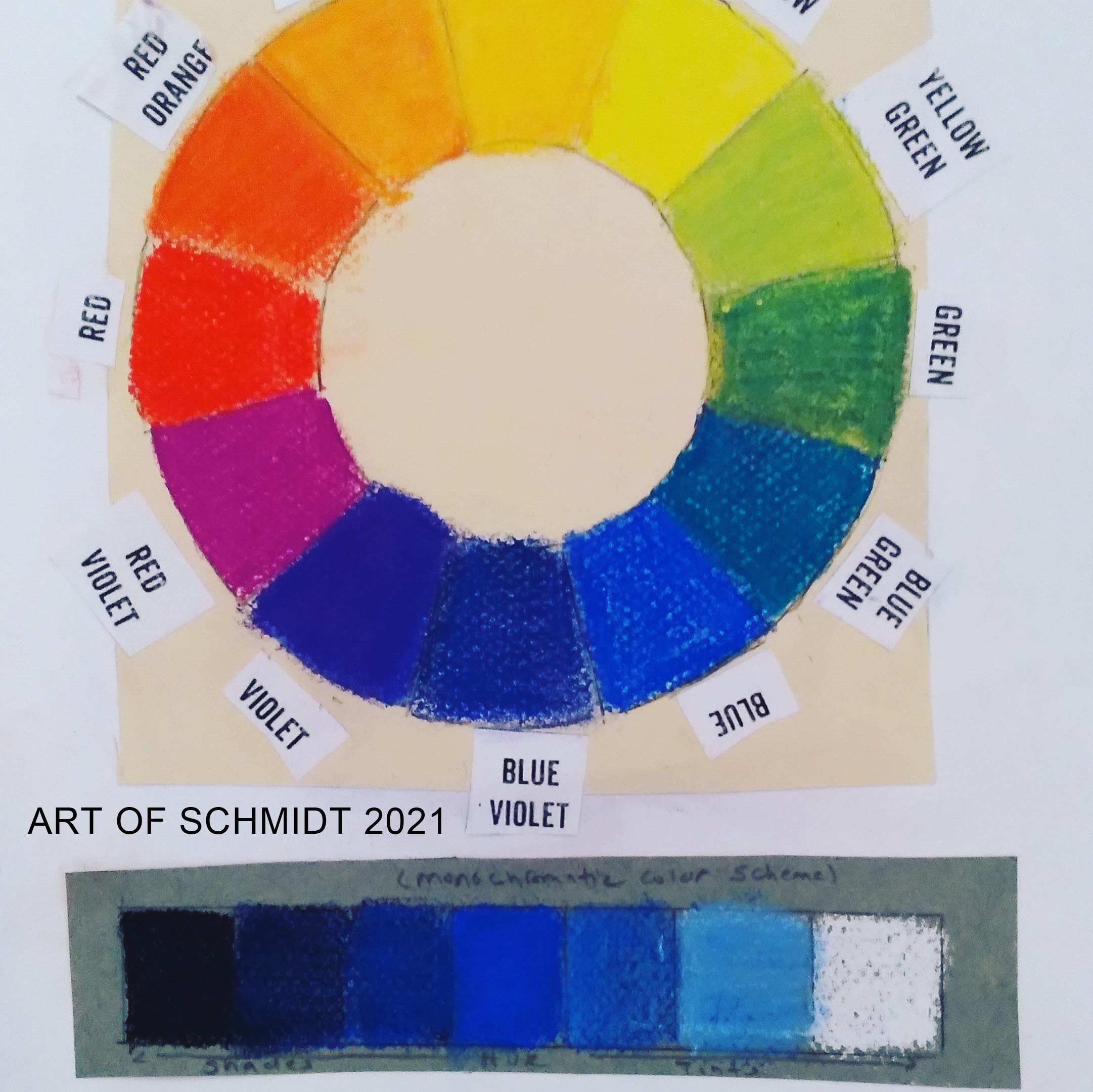
Here is an example of a technique excercise in which I teach students how to shade a sphere with blending and linear marks. It is from the beginner pastel course, Getting to Know Pastels. It’s based on several different books, one of which is from a favorite text, Enclopedia of Pastel Techniques, by Judy Martin, 2018.Here is an example of a technique excercise in which I teach students how to shade with a monochromatic value scale, (one color plus black or white to modify it), using soft pastels and pastel paper ,and how to mix colors in a color wheel. These excerices are from the beginner pastel course, Getting to Know Pastels.
This week I would like to talk about one of my greatest struggles, and that is, making time to create art. It probably seems ironic for me to say that since I think of myself as an artist and art teacher, and I make art for art shows, clients, and I studied art in college. However, sometimes the things I want to do the most, such as painting and drawing, seem to be the most, difficult to make time for in my schedule. So many things battle for the competition of my time: everyday stuff like laundry, cooking, balancing my checkbook, or other activities such as marketing my art classes or time-wasters like internet surfing and excessive social media use on Instagram or Facebook, etc., etc. All these need to get done, but if I am not careful they can crowd out too much of my time. And if that isn’t enough, I have been battling with artist’s block and self-doubt about my abilities to succeed as an artist, (whatever that means), ever since I have taken my art to a more professional level, by showing at art galleries and art fairs. My standards for making art have really skyrocketed, (and they were already ridiculously high) since I now feel the pressure to try and please others by making artwork that “sells.”
However, in all this, I have lost my joy in making art, and don’t even know what it is that I want to say with my art anymore. This period of my life reminds me of another time period, when I was a senior at McDaniel College in Westminster, MD, studying art. I was in my final year at McDaniel and taking an art studio thesis course, where I had to make artwork that demonstrated something I wanted to say and write an artist statement to support that work. After I got that assignment, I felt paralyzed with indecision.
It took me two weeks to come out of that episode of artist’s block, and I really wasn’t sure what I would do during that time, as I felt that everything there is to say about art has already been saying and that everything has already been done in the thousands of years of art history. I felt I had to come up with some really “original” idea and I looked everywhere I could think to find inspiration: art magazines, art books, etc. I finally found my inspiration in the songs of singer/songwriter, Sting, which seemed an unlikely solution to me. I decided to try and illustrate the feelings in some of his songs like Lithium Sunset, by using myself as subject, and color as a way to express emotions. The crisis was solved and I made it through, but I really struggled to climb out of that pit.
Unfortunately, I am finding myself in that awful place again of uncertainty and doubt. So this week I am writing about how to make time for art, in hopes that it will help me to focus my time better and to get back into the habit of regular studio practice. I’d like to share with you some insights from two blog articles I read by Lisa Congdon, entitled, How to Find Time toMake Art When You Work Full Time, and an article entitled, How to Find Times for Art in aBusy Life, Tara Leaver, in hopes that you will find it helpful to you in managing your life and making time for creativity. According to Lisa Congdon, there are a few things you can do to help make time for art. For example, she recommends that artists and other creative types set aside a block of time every week, even if it’s only for a few minutes or a few hours, and that these small increments of time will add up over time.
She also mentions an all-important habit and that is to limit your time on your computer or phone screen. Another blog writer, Julie Fan Fei-Balzer, recommends a few time management apps she uses to track her time online, such as Flipboard, Tweetdeck, and Alinoff (an online computer app that records the amount of time you spend online.) One final really helpful way to make time for art is to schedule it, and that could mean enrolling in an art class either virtually through subscription websites like Domestika, SkillShare, and if you want free tutorials, YouTube has many excellent art tutorials. Some of my favorite YouTube channels are Rapid Fire Art and Virtual Instructor.
The first channel is mainly drawing tutorials in pencil, while the other YouTube channel, The Virtual Instructor includes a variety of media from pencil to pastel and many other media. I find this method to be the most helpful, especially when you are paying for a course, you might be less likely to renege on the time commitment. On that note, I want to share that I will be teaching several in-person art courses for beginners at two locations, The Delaplaine Art Center in Frederick, MD, and at the Adams County Arts Council in Gettysburg, PA. To learn more about my pastel courses you may visit: www.delaplaine.org or www.adamsarts.org. I am also teaching a beginning drawing course at the Adams County Arts Council, called Classic Drawing. This week’s featured images include some sneak peek images of the pencil and pastel drawings and exercises I offer in my Classic Drawing and Introduction to Pastel courses! Thank you for stopping by! Now, go make some art!
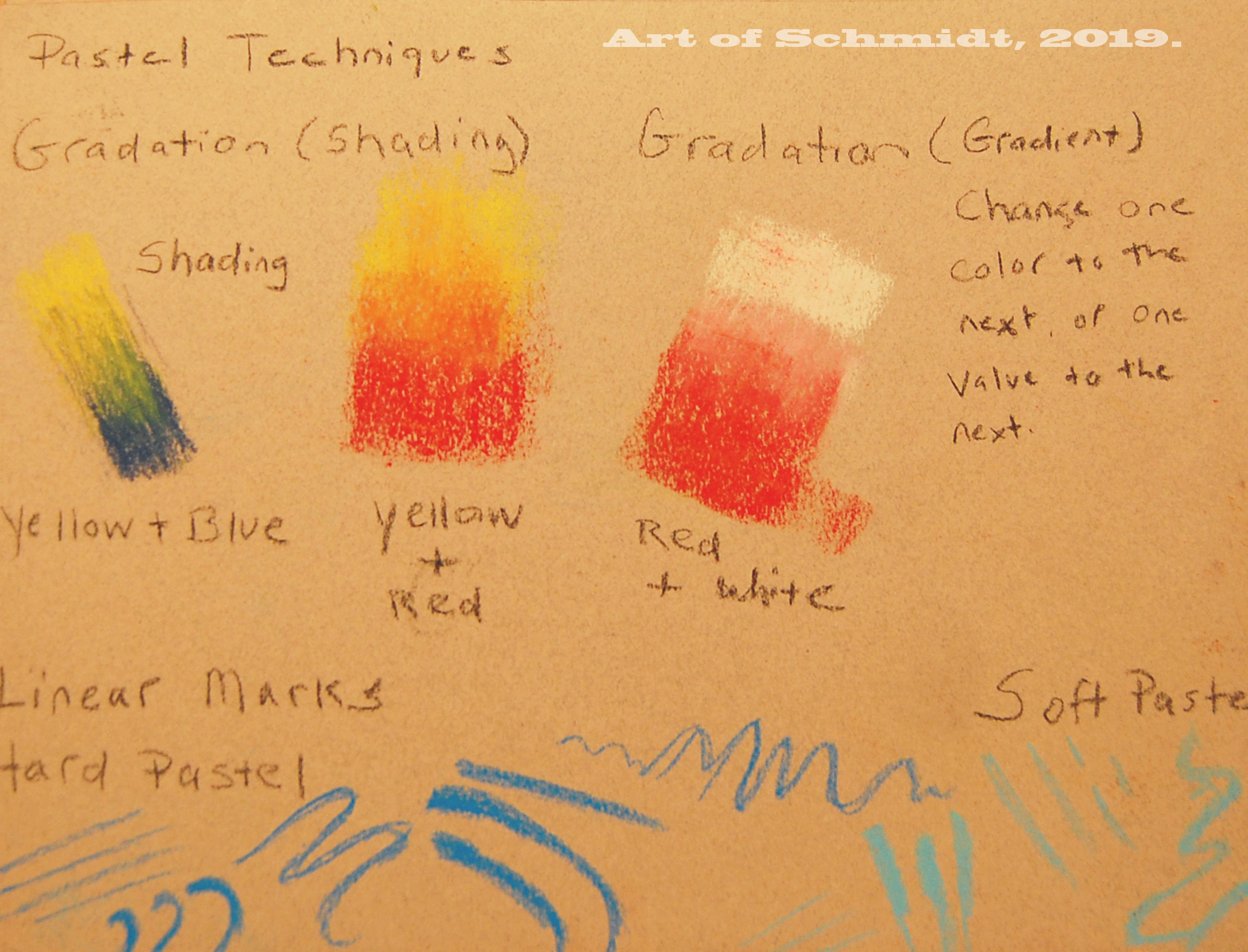
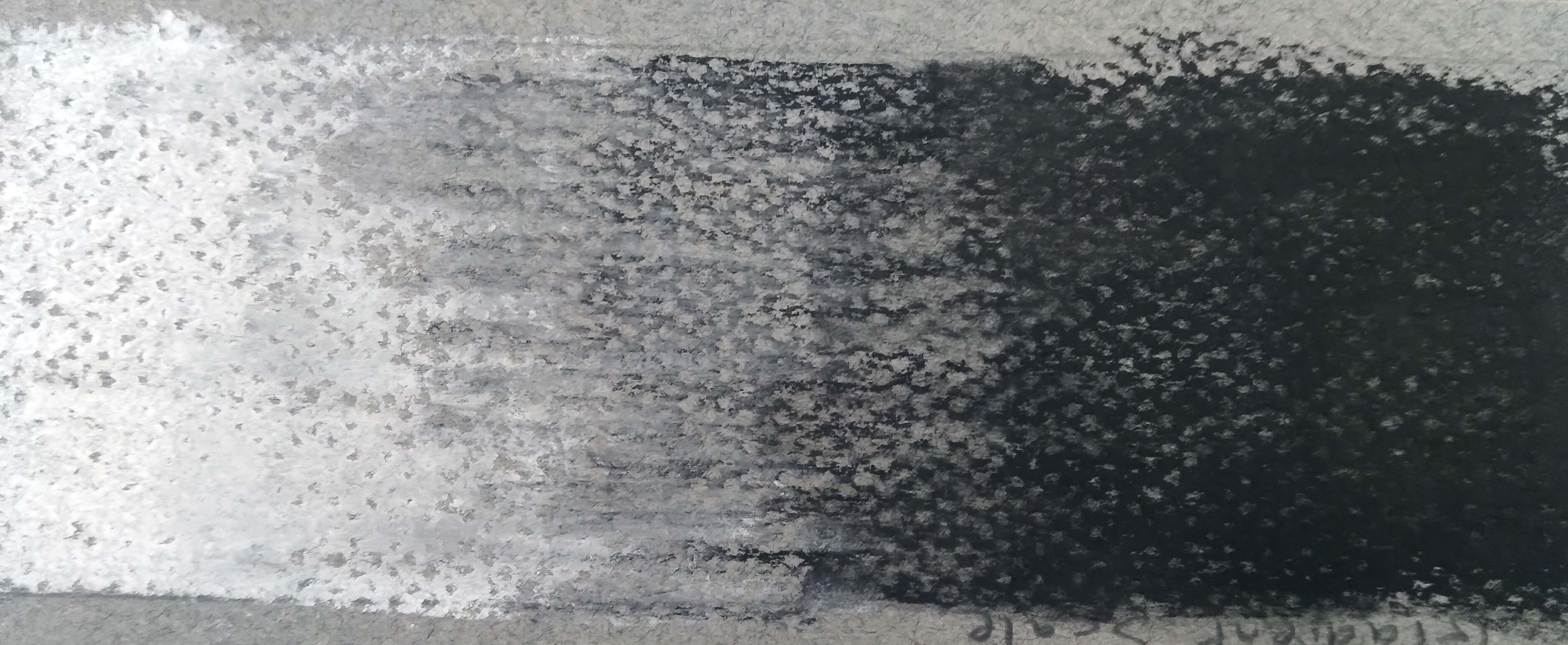
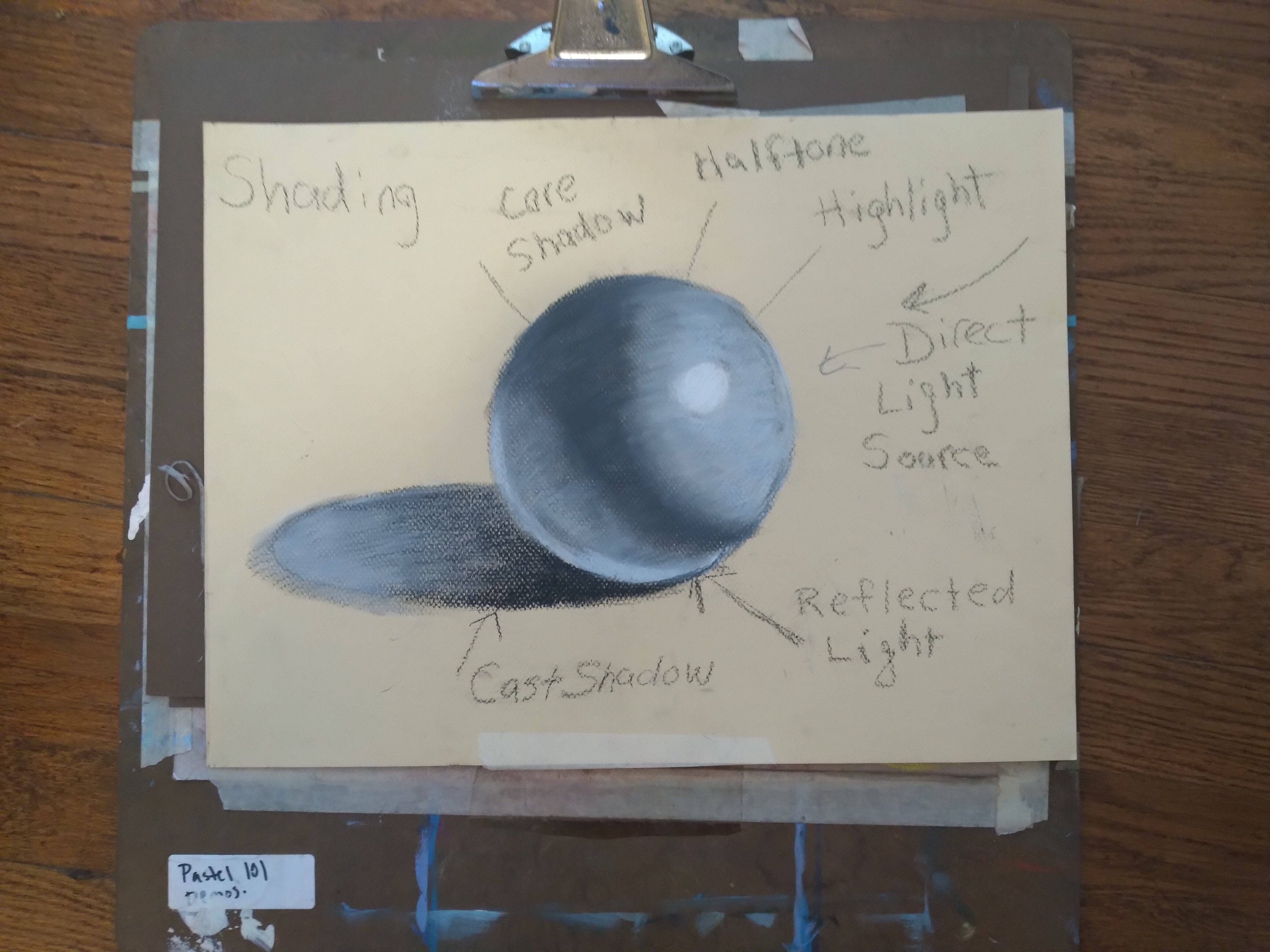
Here’s an example of a technique board, which I use to introduce students to pastel techniques, such as gradients and making linear marks. These techniques serve as a strong foundation to prepare you for the more challenging projects in still life. Example of a medium-hard pastel art tutorial in which I used blending and mark-making techniques such as scribbling. Example of a 5 value exercise I teach early in the course to teach students how to recognize value or light and shade in a still life object. Here is an example of a gradient, a wonderful exercise to learn how to shift from one value to the next, and which teaches you how to blend pastels and make softer edges. An example about how to understand the effects of light and shade on a rounded object. It’s a great exercise for beginners, and especially those who like to draw portraits as the sphere provides an excellent example of how light might be dispersed on a face.
About a century ago (well I exaggerate a little); I was a college student studying art at McDaniel College in Westminster, MD. I had a brilliant and successful art teacher named Steve, who demonstrated how the practice of art-making and the hatching of new ideas could be brought to life. He taught me many useful things, such as how to keep an art sketchbook pasted with photos of artwork by artists I admired, and how to write about my art in a way that expressed my unique artistic voice. Above all, his most important advice was that I should draw every day. At the time, that task seemed quite difficult. I was always an impatient artist as a student and I often rushed through the drawing stage to hurry up and get to the painting, the “good part.” Now that many years have passed since my graduation from McDaniel, I can truly see the wisdom of his advice.
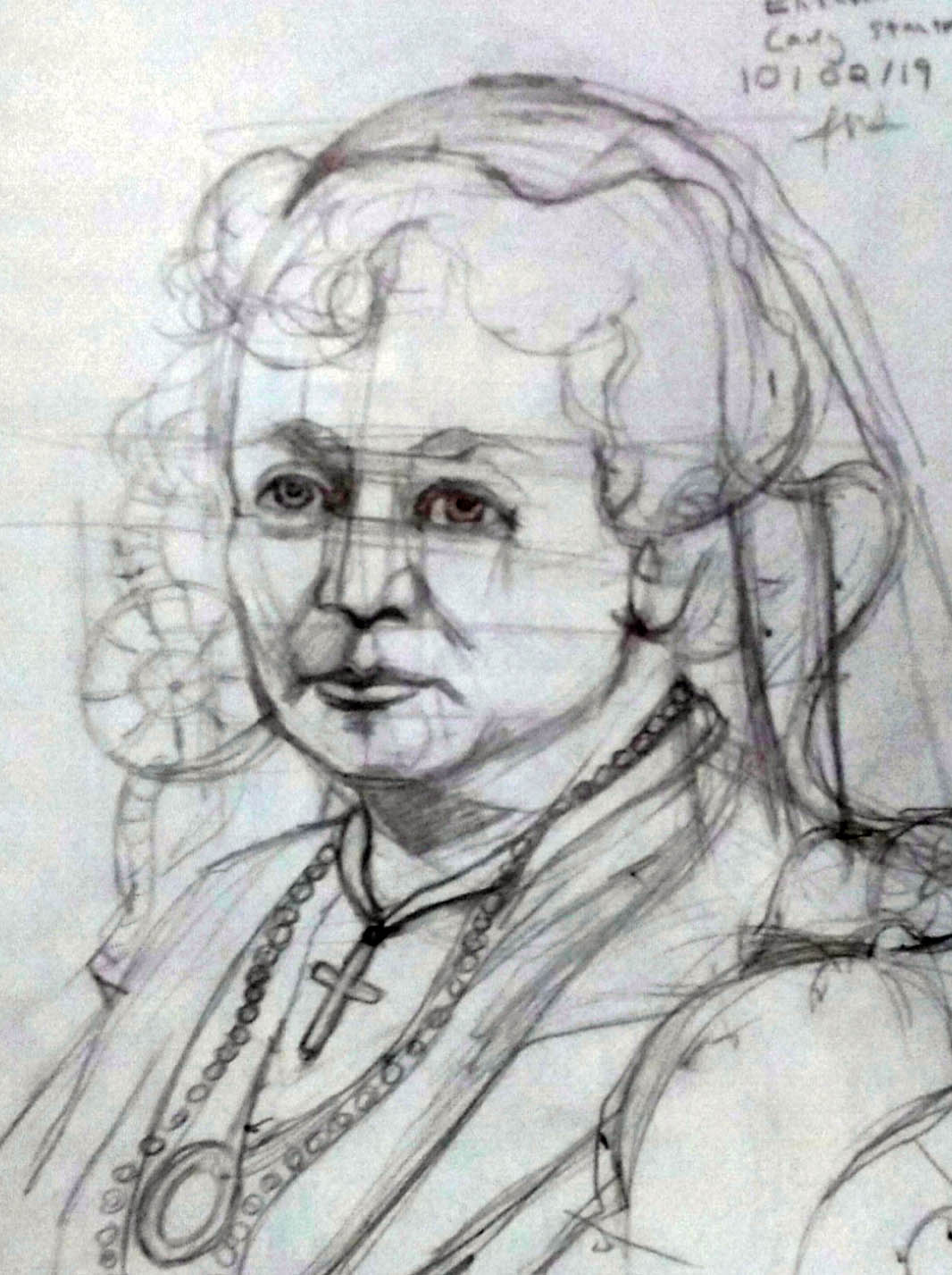
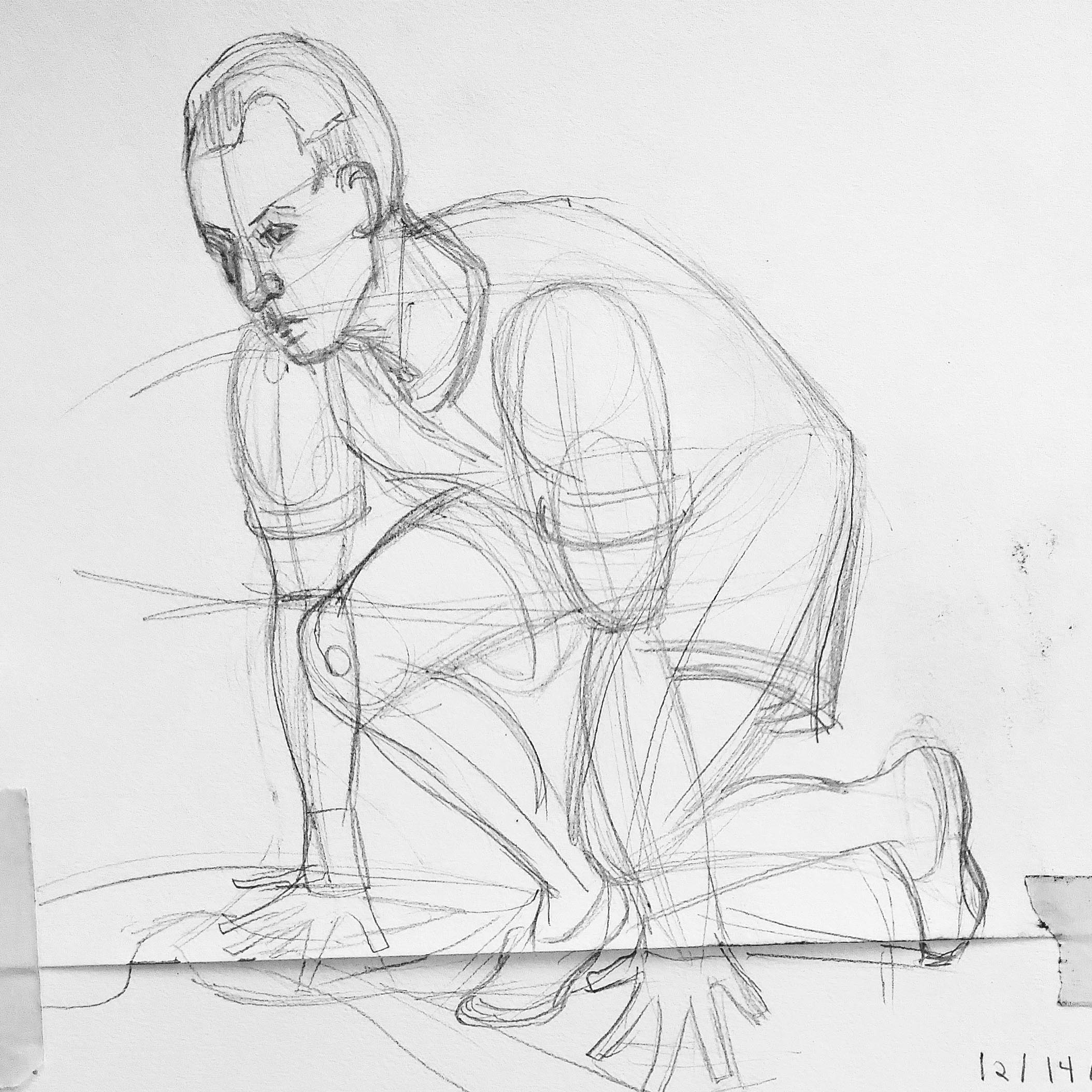
With hindsight, I realize that he was so right about drawing every day. I no longer rush artwork and I have learned to love drawing, whether it becomes a painting or not. In fact, I have embraced his advice of a daily drawing habit and I have worked on several art challenges for both human portraiture and pet portraits on my Instagram account. One of these challenges is called 100 faces in 100 days, in which I drew a pre-selected photo of a celebrity using only pencil and paper. I did not add in a lot of detail or shading and I limited myself to 45 minutes a day. My latest art challenges were in October, in which I participated in Inktober, and also in December when I challenged myself to draw figures and portraits every day for about 3 weeks, with a pencil or whatever other media I felt drawn to use for the challenge.
The most important takeaway I can say about drawing and getting good at it is that it really helps your art practice to flourish. For instance, once you have the drawing and composition mastered, you can enjoy the next step more fully, whether it’s collage, painting, or some other art form such as graphic design or sculpture. With an accurate drawing, you won’t have to worry about continuing to fix it and can fully embrace your next steps.
In conclusion, I am currently preparing myself to teach a beginner’s drawing course at the Adams County Arts Council in Gettysburg, PA this winter, and the drawing practice has been great practice. To learn more about the course, Classic Drawing, please visit http://www.adamsart.org. I am realizing just how fundamental those drawing techniques of using basic shapes and practicing observing what I see, whether it’s a photo or a real-life object, are so important for accurate drawing. Here are some examples of the drawing exercises and projects I have been working on to prepare for this class. Enjoy! Thanks for reading!
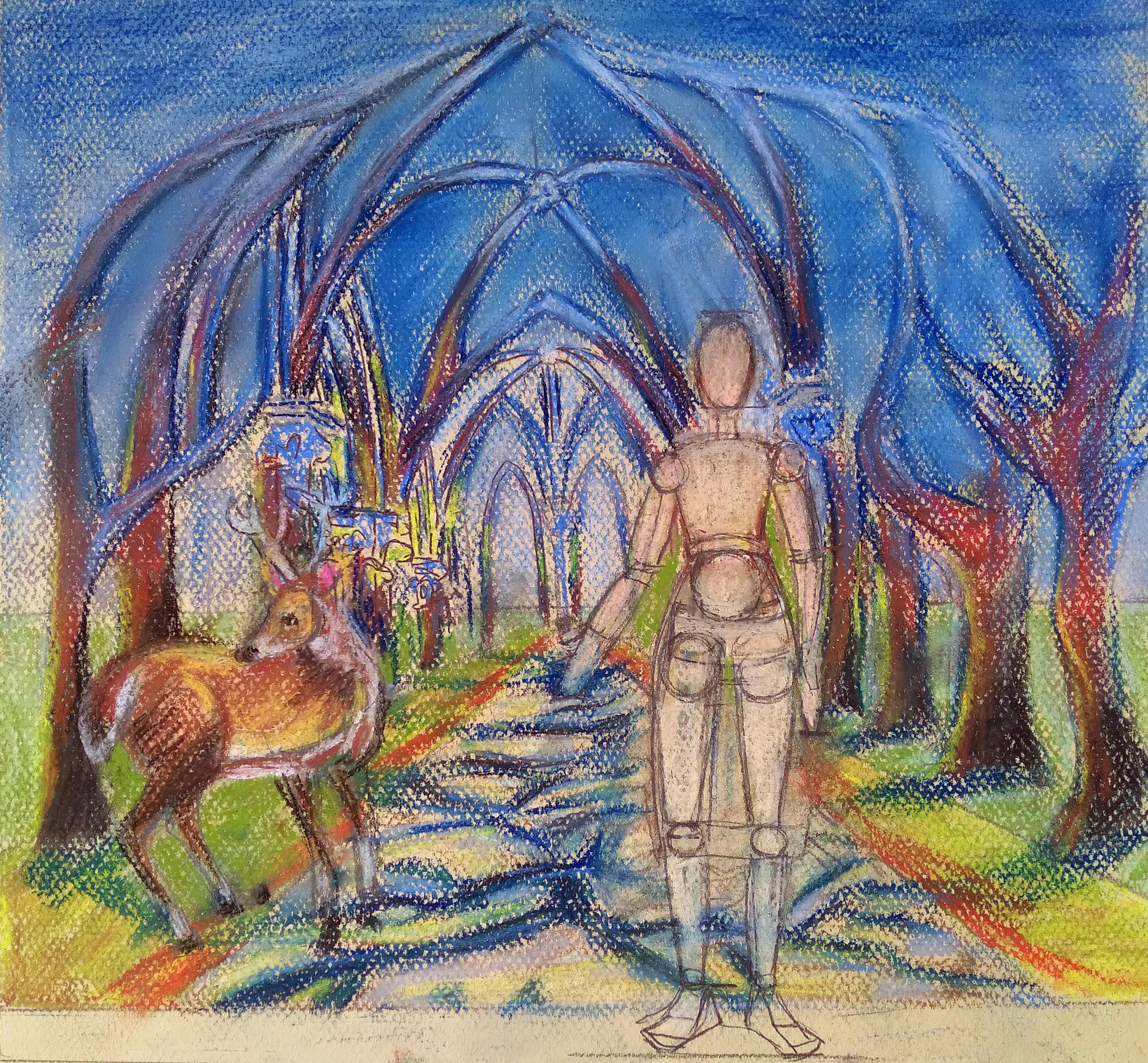
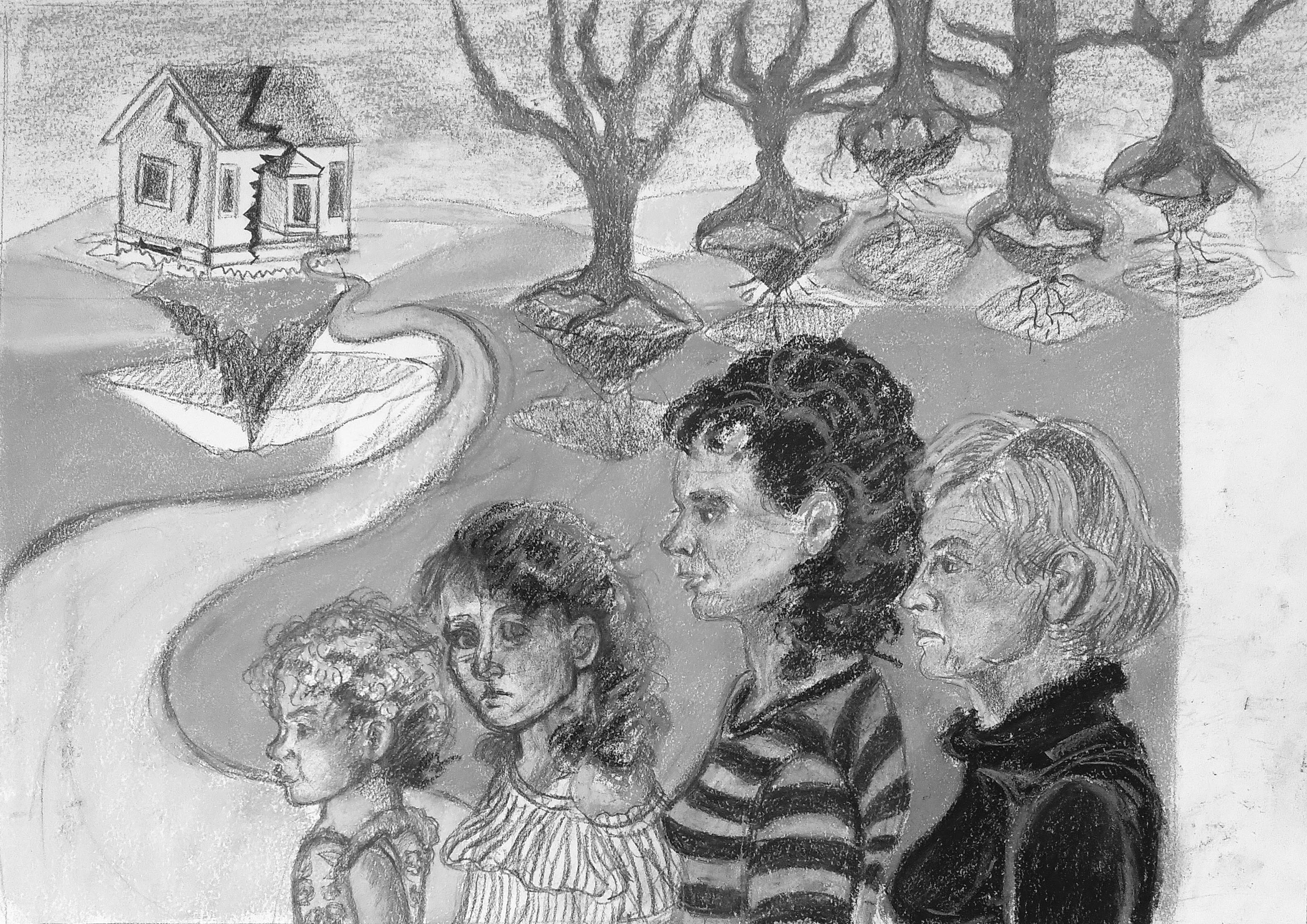
Anatomy of a Shadow with Value Scale, pencil on paper with printed value scale, 2020, Jodie Schmidt. Here is a photo of the textbook I have used in the past to teach my Classic Drawing course, at Frederick Community College, and now at the Adams County Arts Council in Gettysburg, PA. Angela Lansbury, colored pencil on gray paper, 2021, Jodie Schmidt. Emily Dickinson: A Song of Service, pastel on paper, 2021, Jodie Schmidt. Eric Liddell Figure Study, pencil on paper, 2021, Jodie Schmidt. My Broken Home, pastel on paper, 2021, Jodie Schmidt.















 Art of Schmidt