
Hello Family, Friends and Fans, I will be teaching a beginner’s drawing class at the Delaplaine Art Center this fall. Class starts on October 15th. Its perfect for beginners!
About a century ago (well I exaggerate a little); I was a college student studying art at McDaniel College in Westminster, MD. I had a brilliant and successful art teacher named Steve, who demonstrated how the practice of art making and the hatching of new ideas could be brought to life. He taught me many useful things, such as how to keep an art sketchbook pasted with photos of art work by artists I admired, and how to write about my art in a way that expressed my unique artistic voice. Above all, his most important advice was that I should draw every day. At the time, that task seemed quite difficult. I was always an inpatient artist as a student and I often rushed through the drawing stage to hurry up and get to the painting. Now that many years have passed since my graduation from McDaniel, I can truly see the wisdom of his advice.
With hindsight, I realize that he was so right about drawing every day. I no longer rush art work and I have learned to love drawing, whether it becomes a painting or not. In fact, I have embraced his advice of a daily drawing habit and I have worked on several art challenges for both human portraiture and pet portraits on my Instagram account. One of these challenges is called 100 faces in 100 days, in which I drew a pre-selected photo of a celebrity using only pencil and paper. I did not add in a lot of detail or shading and I limited myself to 45 minutes a day.
At present, I am struggling to carve out time for drawing. Sandwiched in between working, and other responsibilities, I am striving to make time at least 1x a week to draw. This time, I am focusing on making simple graphite sketches in my sketchbook, mostly portraits or figures.
The most important take away I can say about drawing and getting good at it, is that it really helps your art practice to flourish. For instance, once you have the drawing and composition mastered, you can enjoy the next step more fully, whether its collage, painting or some other art form such as graphic design or sculpture. With an accurate drawing, you won’t have to worry about continuing to fix it and can fully embrace your next steps.
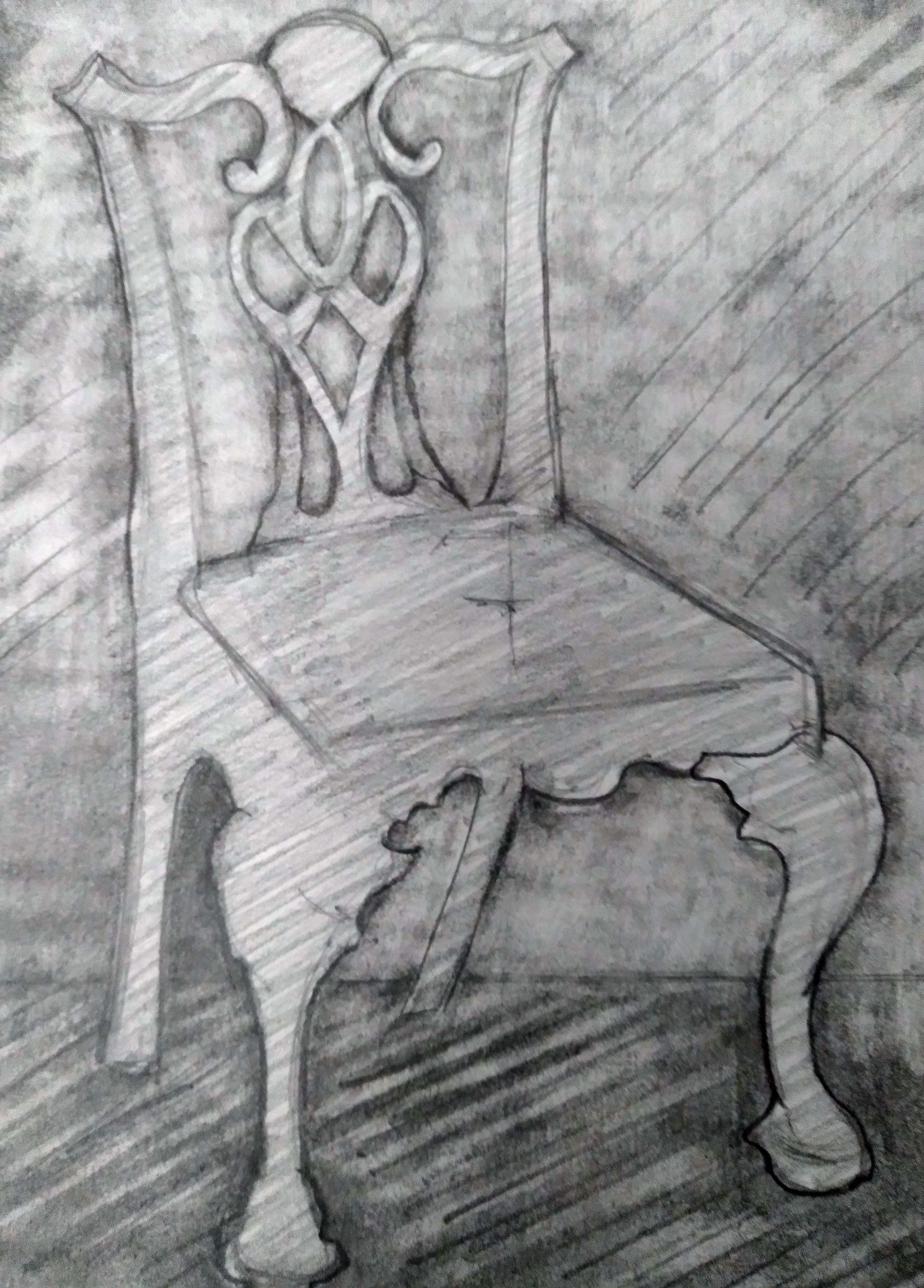
If you want to put this idea of drawing as a practice into effect, you are in luck! I will be teaching two drawing classes at Delaplaine Art Center this Fall. The first class, Drawing for the Absolute Beginner, is tailored on those who have never taken an art class, and need the basics such as shading, measuring, and drawing techniques such as contour and blind contour drawing.
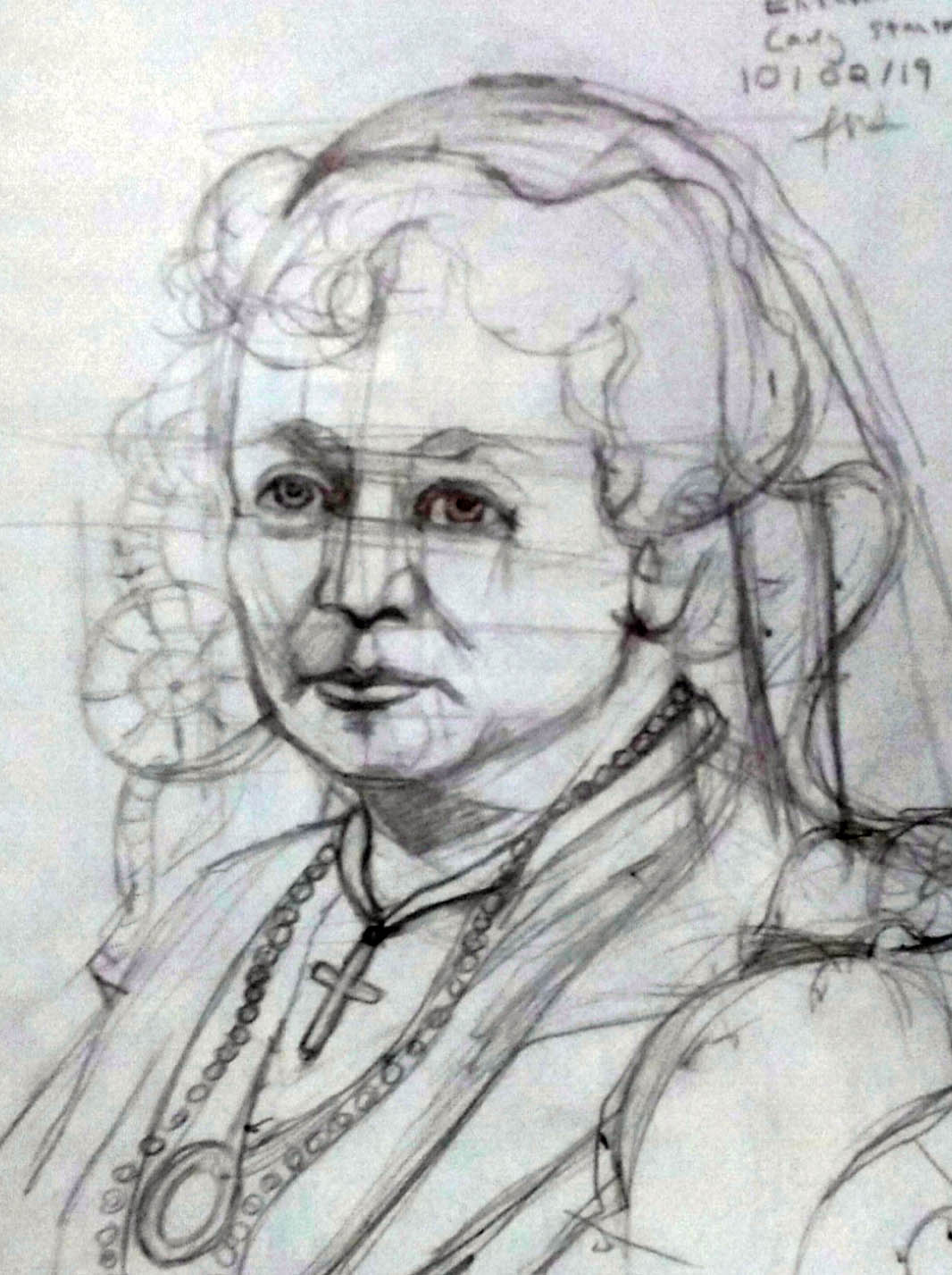
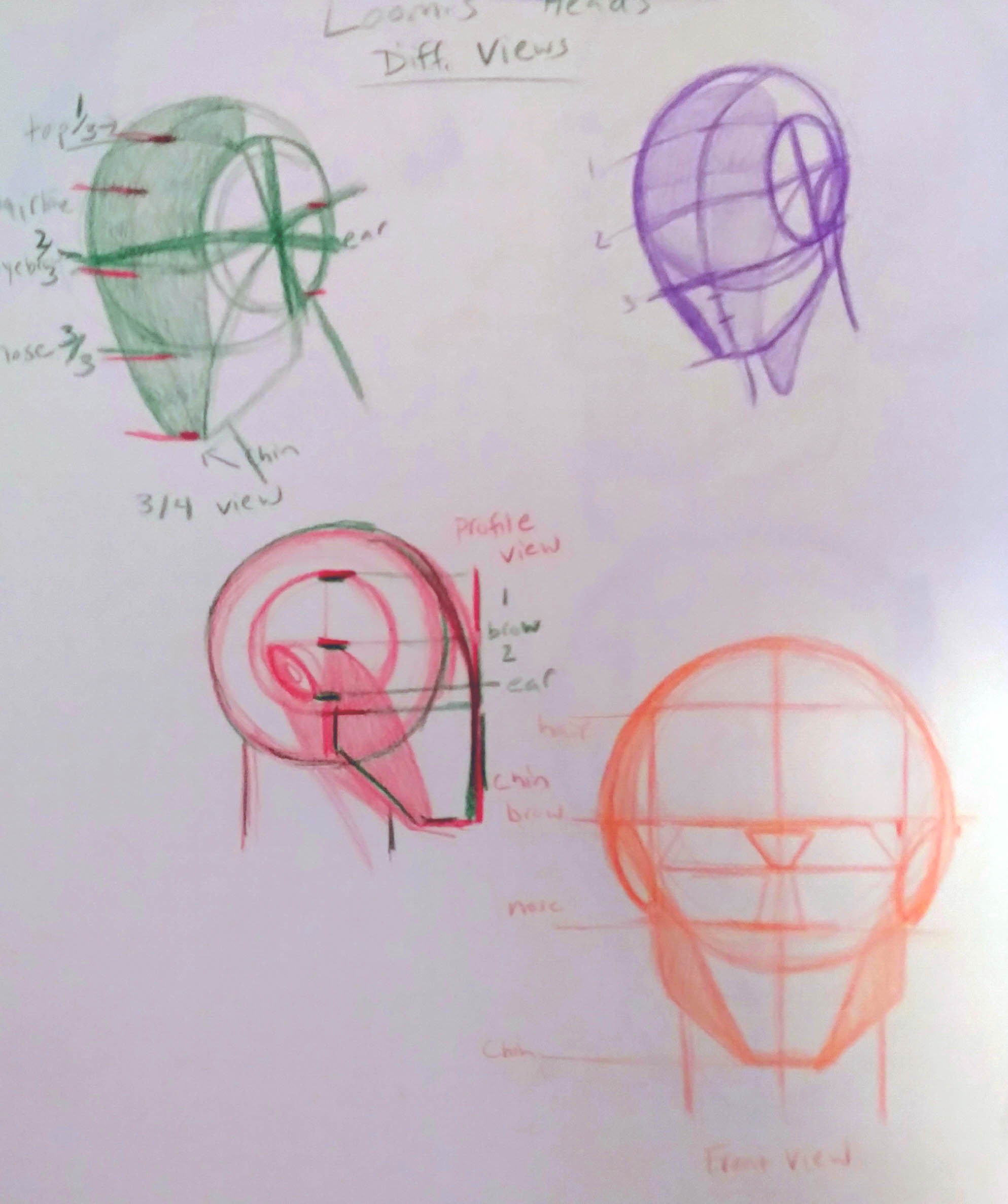
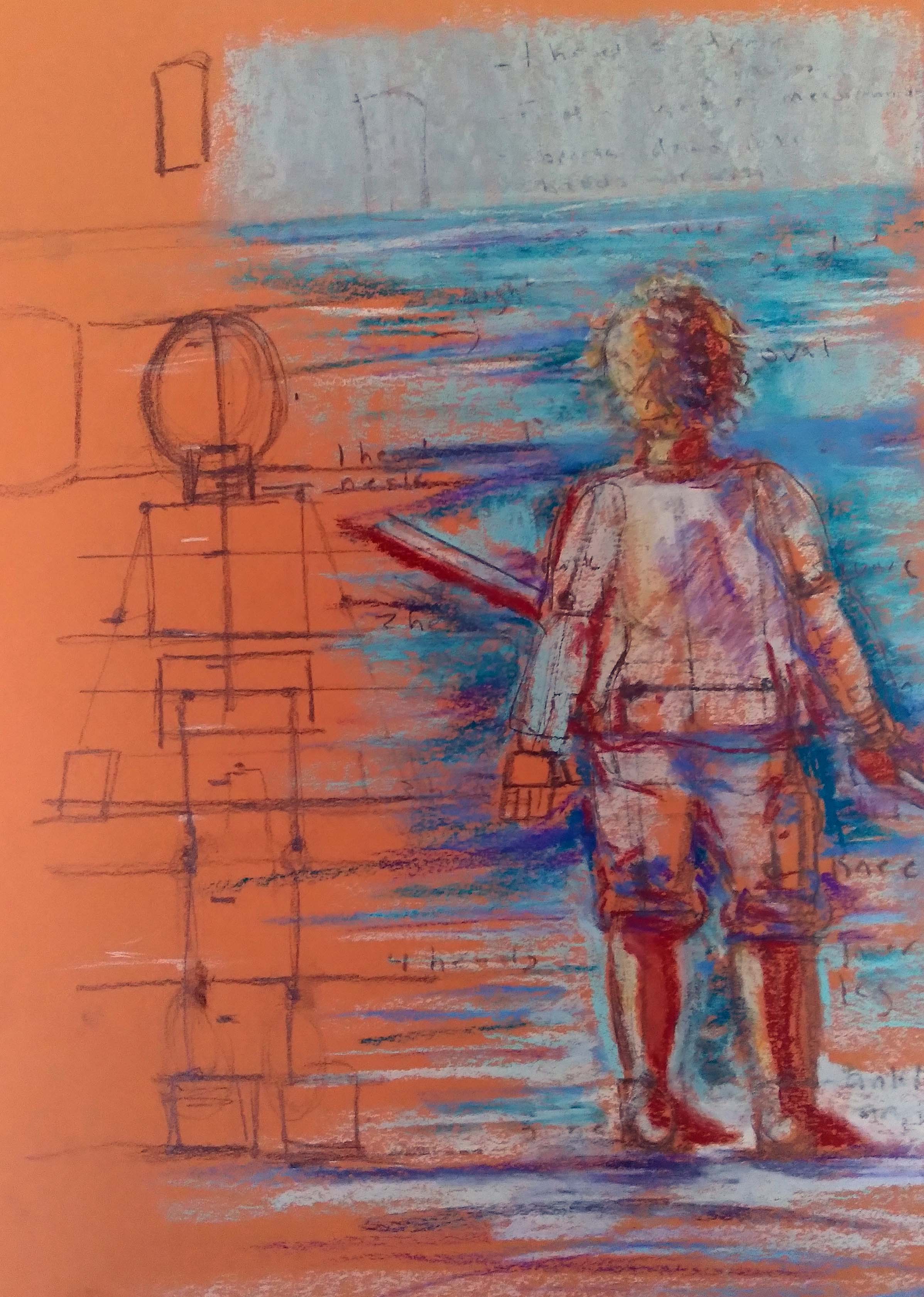
And the second class is for more seasoned artists who want to learn how to draw a portrait. This is a great class for those who have always wanted to draw portraits but don’t know where to start. I will teach you construction techniques such as using shapes to construct, the Loomis Method and anatomy to give you a solid foundation to build upon. Check out this links to learn more: https://delaplaine.org/class/?id=25-2-DR06 (Drawing for the Absolute Beginner) and (Advanced Drawing: How to Build a Portrait): https://delaplaine.org/class/?id=25-2-DR07.



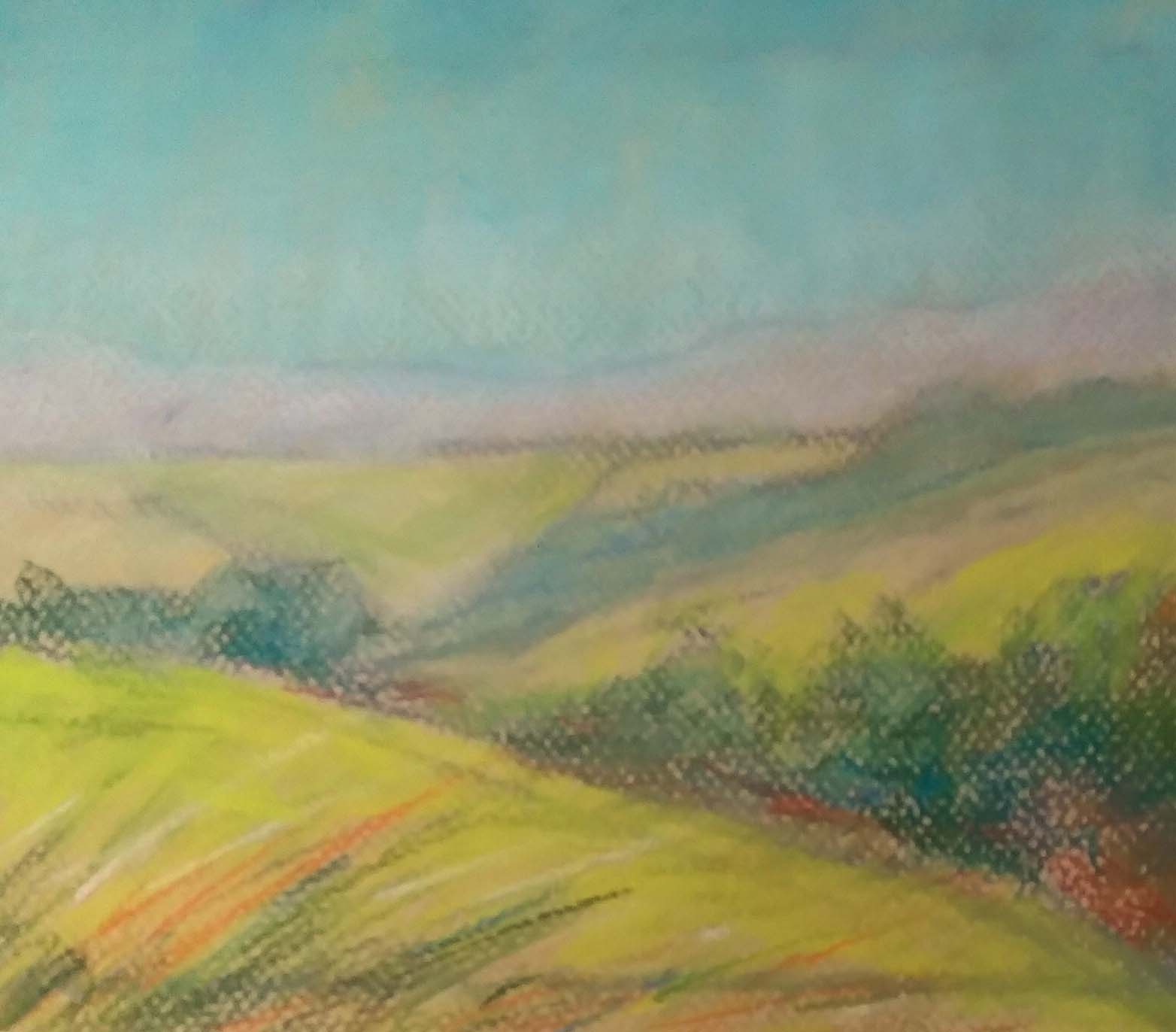
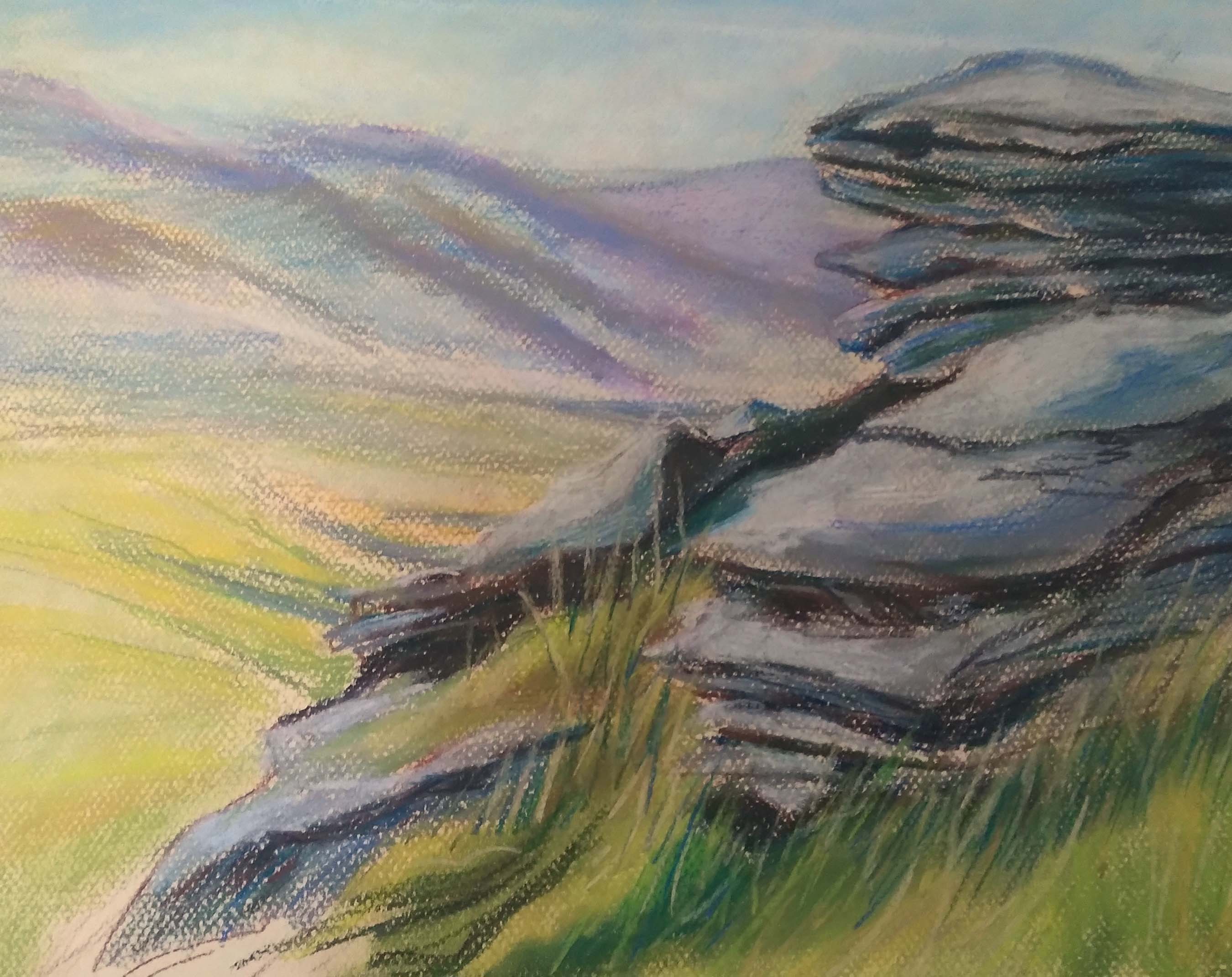
There are still some spots available for my upcoming, Continuing Landscapes in Pastel at the Delaplaine Art Center. If you are an oil painter or love to work in color, but would like to try out a new medium, this might be a great course for you.
Or, if you want to work in a more forgiving art medium than watercolor, pastel could be the perfect choice for you! It’s a wonderful medium that combines all the characteristics of drawing which is generally a dry media, with the painterly characteristics of color and texture, such as oil painting, but in contrast, pastels have no drying time.
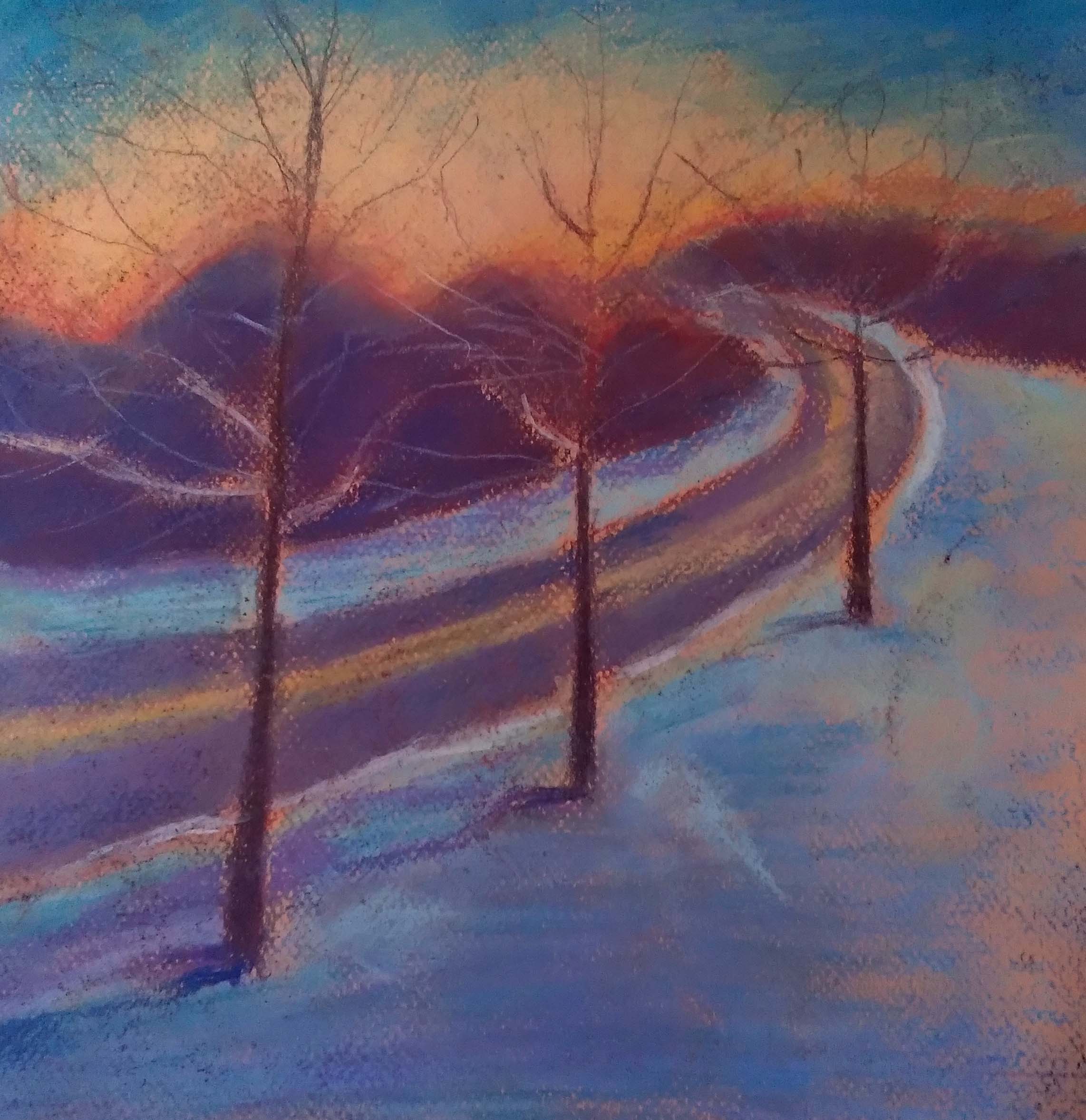
Working in soft pastels also doesn’t require a full complement of art supplies, such as pallets, brushes, or water jars. Instead, you can get started with just some soft pastels, erasers, pastel pencils, and pastel paper to begin your creative journey. Easy to set up and easy to clean up. No brushes or palettes to clean! And it’s so easy to correct your mistakes, with a kneaded eraser. What could be better? Here’s a sneak peek at some of the projects we will work on colorful meadows, fall scenes, and even a mixed media garden landscape. Please visit: https://delaplaine.org/ to sign up or learn more about this wonderful course!


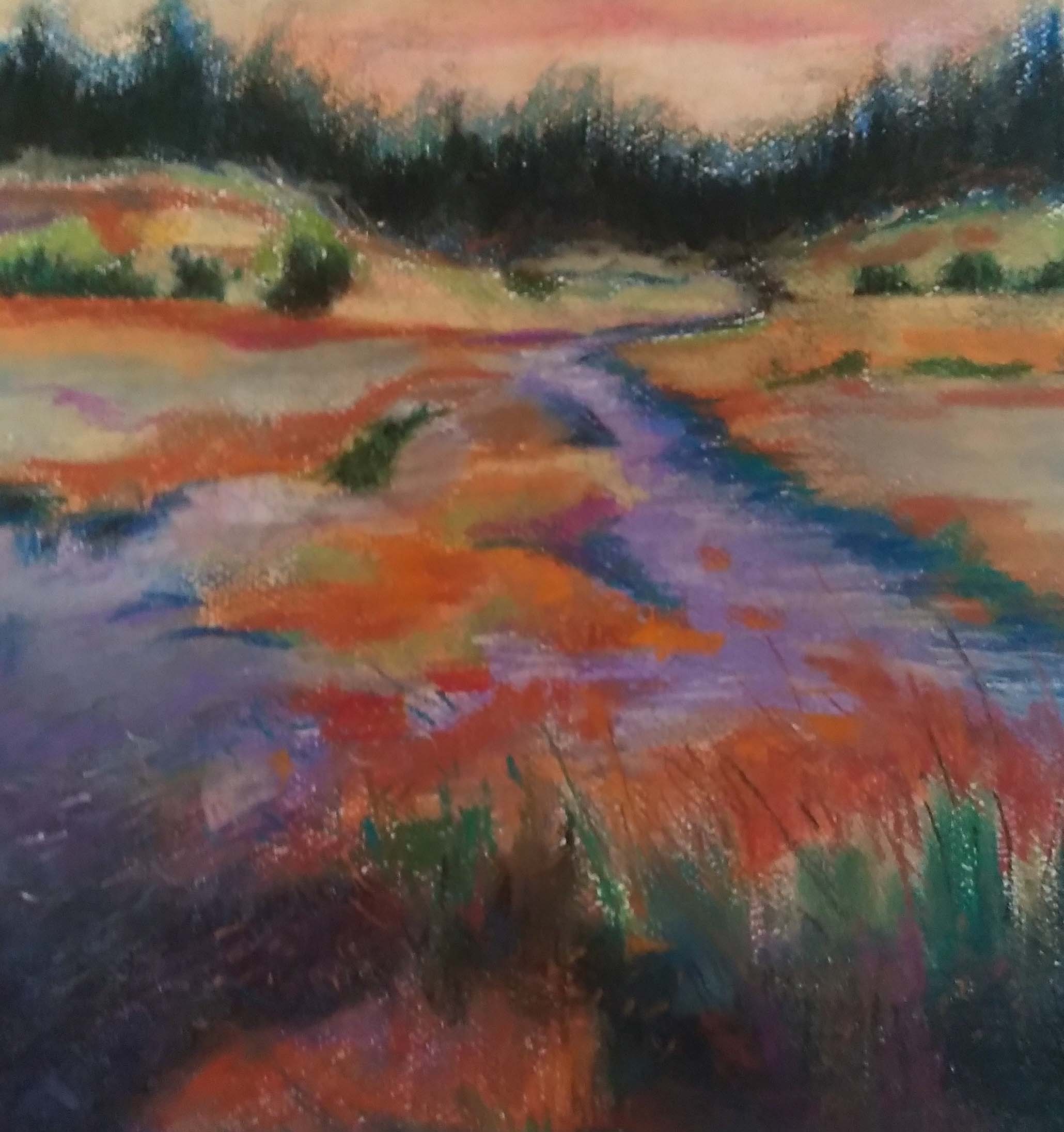
Don’t miss out on a chance to take my intermediate pastel course for landscapes! Pastel is a forgiving medium and it allows you to experience the best of both worlds with drawing and painting. With pastel, you can create colorful drawings that are easy to revise and there is no drying time to wait for, as with other art media, such as watercolor, acrylic, and oil. Also, this medium can be used in conjunction with other media, such as watercolor for painterly effects! To learn more, please visit https://delaplaine.org/.


Hello friends, fans, and followers,
The good news is that my art courses at the Delaplaine are filling up! And, the good news for you is that there are a few more spots left! The three courses I will be teaching are Classic Drawing, a beginner drawing course, Drawing into Calm: A Mixed Media survey course, and Landscapes in Pastel: The Four Seasons.
The drawing course is great for those who have always wanted to draw but did not know where to begin, and I will teach you four different drawing modalities such as contour drawing, and using shapes to construct forms. With so many options, you are bound to find a method that brings you excellent results!
The next two courses, Drawing into Calm and Continuing Landscapes are a bit more advanced. In the former, we will study a variety of different art media such s watercolor, pastel, collage, and much more! It’s a veritable buffet of art media to try each week with lessons on collage and painting with subject matter that includes, animals and landscape. You will learn what media works best together in combinations that you wouldn’t have imagined, such as wax resist and collage!
And in the course of the landscape, we will explore a variety of light and color effects such as filtered light to imitate the qualities of the four seasons, such as spring, summer, fall, and winter! Soft pastel is perfect for those who love to paint, but don’t want to wait for it to dry! The elements of art, such as color, shape, form, and value will inform each lesson, and you’ll learn valuable skills such as how to mix colors to get the exact color you want! To learn more, visit https://delaplaine.org/instruction/classes-workshops/. Thanks for stopping by!
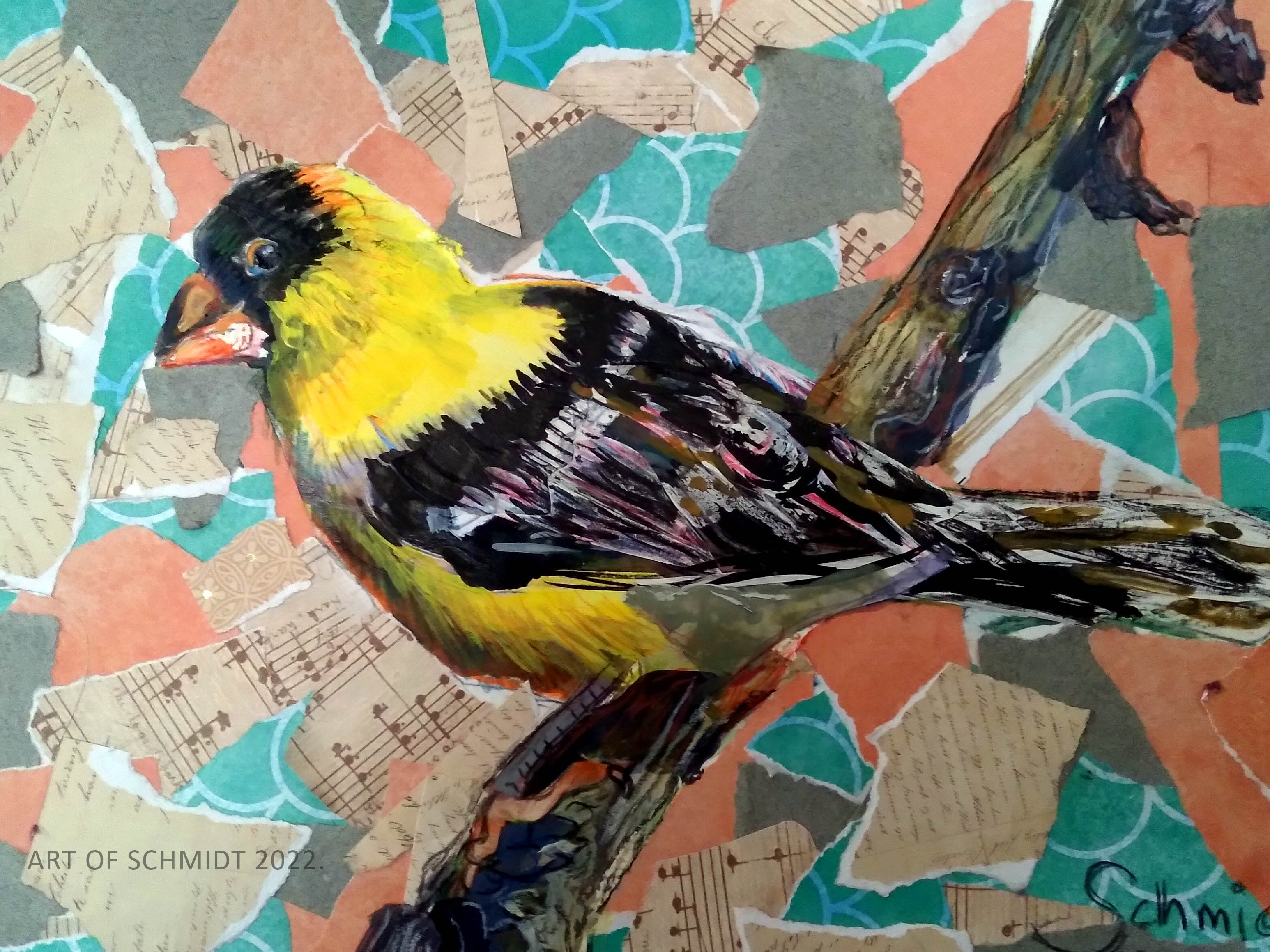


This spring I am teaching a new course called, Drawing Calm: A Survey of Mixed Media. Have you ever wondered if you can combine more than one art medium? You can, and this course might just be what you are looking for! Click here to learn more: https://delaplaine.org/class/?id=22-4-DR03.
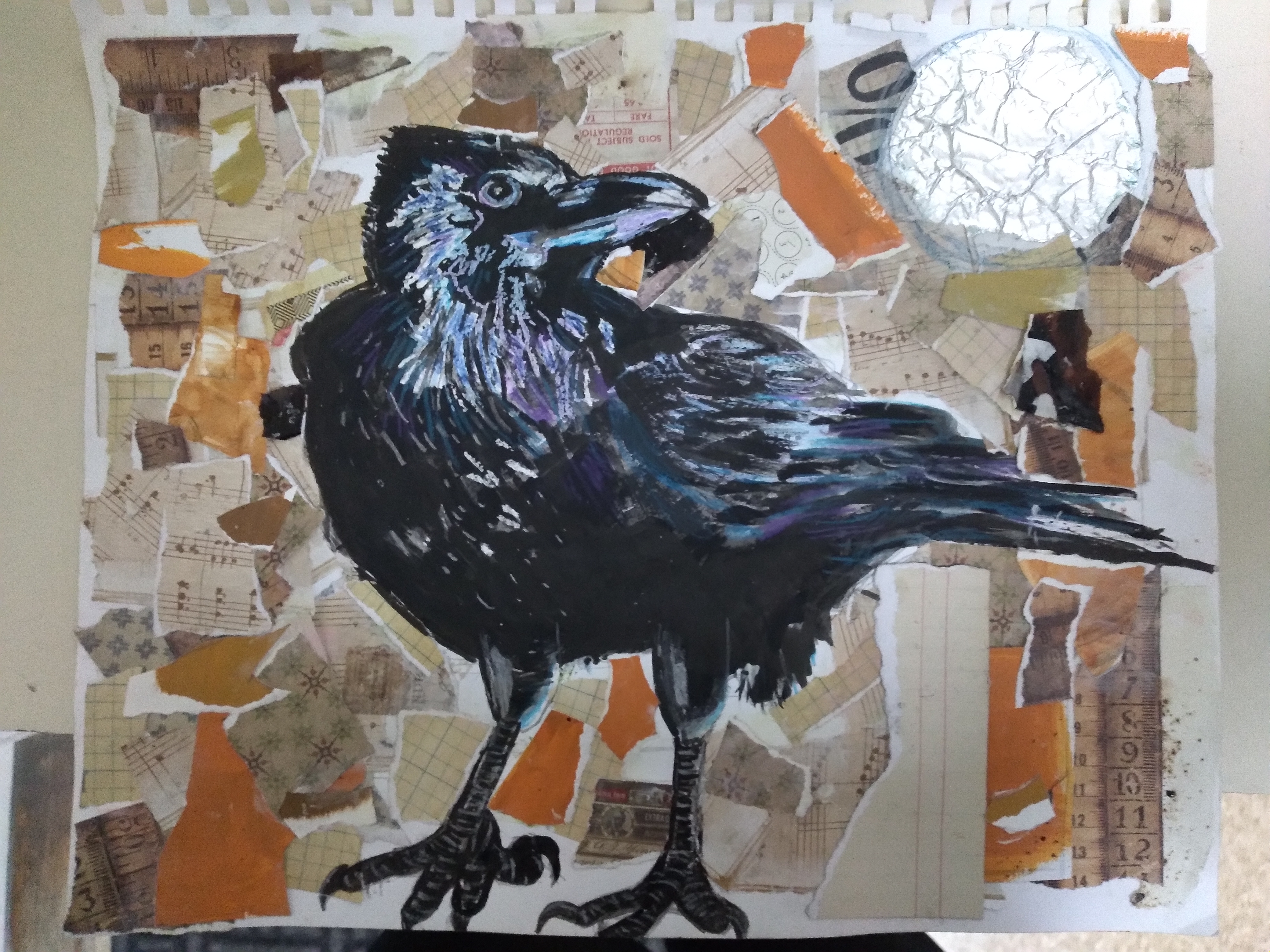
Today I am blogging about an introduction to the color wheel and how artists can use it to choose an effective color combination. Since last week, I have been consulting a reference book entitled, Color is Everything, by Dan Bartges. I wanted to try out some various color schemes for my Biographical Portrait of Sting, which I posted about in last week’s Sketchbook blog post. After consulting the book about possible color schemes, I tried out two versions of a tetrad color scheme; one is described on pg. 35, and consists of oranges, reds, and greens, while the other color combination includes blue-greens, red-oranges, yellow-oranges, and blue-violets and is described on page 36. But before I get into the definition of tetrad color schemes, I would like to give a short overview of the color wheel and how it can improve an artist’s artwork.


According to the article, “Color Psychology: The Emotional Effects of Colors”, retrieved from www. art therapy blog.com, the color wheel displays the three primary colors and its secondaries, and the twelve colors which are included on the color wheel are yellow, yellow-orange, orange, red-orange, red, red-violet, violet, blue-violet, blue, blue-green, green, and yellow-green. The most important colors displayed on the color wheel are red, yellow, and blue, from which you can mix almost any color. (ibid) However, this concept should be considered in a theoretical context, because paints do not necessarily contain only one color. (ibid) In fact, paints often contain traces of other colors which can affect the final outcome of color mixtures, towards a warmer or color tone of a specific color. (ibid) Some colors that you can mix from the two primaries include: yellow + red= orange and red + blue= violet.
According to the author, Bartges, a triadic color scheme utilizes three colors which are equidistant from each other on the color wheel, and these colors create “a strong, triangular relationship.” For example, a commonly used triadic scheme for landscapes includes: green, orange and violet. And the “most visually powerful triad is red, yellow and blue, which are called the primary colors. In my upcoming courses, I will be instigating color in a variety of media such as pastel, collage, watercolor, etc. Starting in April, I will be teaching several art courses where I will be exploring the concept of color in a variety of courses, such as: Landscapes in Pastel, The Four Seasons, and Drawing into Calm: A Mixed Media Survey Course, at the Delaplaine Art Center. To learn more, visit: https://delaplaine.org/. You can register for the classes on their website by going to the instruction link, and then going to the classes and workshops link. Thanks for stopping by!
 Art of Schmidt