Artists: What Kind of Artist are You?

Artists: What kind of Artist Are You-Amateur, Hobbyist or Professional?

Why I decided to Write about Artist Types

It’s been awhile since I last posted on this blog, and I have debated off and on within myself, whether to continue blogging about the series I started in May called, and famous failures. However, at the end of the day, I decided that I would switch gears and write about a more arts-based topic. Instead, I decided to examine the topic of different artist types and the pros and cons of each type. It’s my belief that there is no superior type of artist, and that it is all about what type works best for you. However, I do think that it takes a very unique person to be able to combine the roles of both artist and entrepreneur.

In my opinion, such individuals must be extremely dedicated to making art their life’s work, no matter what it takes, or how much time they have to invest in learning their craft and other business skills to make a profit. On the contrary, not every artist has that sort of drive or wants their art to be consumed by the public as a commodity. Perhaps for some, art is an outlet for their feelings and experiences and they would rather keep that private, which is perfectly fine. Meanwhile, there are other artists who find themselves somewhere in the middle between hobbyist and amateur artist.  These artists, sometimes called, “double jobbers,” want to take their art to a more professional level, but also work a day job, such as the British artist described in the article, “The Double Jobbers, Making a Living into eh Arts, by Kathy B. Sweeney, posted on The Guardian, https://www.theguardian.com/culture/2012/jul/29/living-working-in-the-arts. Consequently, they are not pressured to make a living from their art. On the other hand, there are artists who cannot imagine doing anything else with their lives and spend almost all of their time marketing and making their artwork. The three types of artists which I will discuss in this blog post are a hobbyist, amateur, and professional artists, along with the pros and cons of each type.

Why is it important to know what type of artist you are?

I picked this topic because I have been wrestling with the question about what category I fall into as an artist: Amateur, Hobbyist or Professional? In my opinion, it’s important to know which category of artist that you fall into because there are specific actions that you need to take if you want to go beyond making artwork for pleasure and start making it with a business mindset. According to author, Alyson Stanfield, who wrote the art business book, I’d Rather Be in the Studio, it is not enough just to make art, you need to learn about how to market and sell your art, as well as to sharpening your artistic skills and creating a specific body of work that showcases your unique style as n artist. (Sources: Artwork Archive, “Alyson Stanfield Shares Her 10 Best Marketing Tips,” https://www.artworkarchive.com/blog/alyson-stanfield-shares-her-10-best-art-marketing-tips, accessed on 06/14/18, and Alyson Stanfield, I’d Rather Be in the Studio!, preface, pg. 1, 2008, Pentas Press, Golden. Colorado, and Aletta de Wal, “Hobbyist, Amateur or Professional Artist: Which Are You?” http://emptyeasel.com/2011/02/01/hobbyist-amateur-or-professional-artist-which-are-you accessed on June 6, 2018. )

My Journey as an Emerging Artist

After my father died in 2011, I realized that I wanted to make the most of the time I had left. I wanted to live without regrets about not pursuing art to the highest extent possible. For as long as I can remember, it has been my dream to be an artist.  In fact, my grandmother reported in her scrapbook that I began drawing at the age of 3. When I first started making art with the intention of selling it, back in 2011, my catalyst for making art was that I needed an avenue to express my grief.

Deciding what level of involvement in art I want to have in my life has modified my choices and informed my decisions about my career, how I spend my time, and how I spend my money. I’ve gone from being a wide-eyed dreamer of a someday art career, as an art student, who lived amongst the bubble of the art community, to living life after college with all its startling reality. This world I now live in includes: bills, student loan debt, working as much as I can on my art while balancing a night job, experiencing frequent rejections for art shows, and feeling unrelenting and crushing self-doubt about my abilities as an artist.  I feel I have been drifting without many purposes in my quest to be a professional artist, and it’s making me wonder whether this is the life I really want.

Making the Jump from Hobbyist Artist to Amateur Artist

In more recent years, I have really stepped up my activity to bring my art to a more professional level, such as: creating profit and loss sheets in Excel, designing an art catalog of inventory, launching an artist website, blogging about art, participating in more frequent art shows, hosting studio sale events at my home, producing custom art, and starting commerce shops on Etsy and Red Bubble, etc. However, all of this activity has been challenging and sometimes disappointing. It seems to me that no matter how hard I try, I am still struggling to sell my art consistently. I have also made efforts to connect with people on a personal level through writing blog posts, and producing artist newsletters.

However, I am still not making a profit and instead, I find myself falling into debt to pay for framing, art supplies, and marketing expenses. Even more importantly, I feel I have lost the joy of making art in the midst of all this business related activity. Consequently, I’ve had severe doubts about whether I want to be a professional artist, because of the amount of work, time, emotion, skill, and unflagging confidence a professional artist must have to survive. I wonder, are I any other artists are struggling with this situation? And I’m also asking myself, do I really want to be a professional artist, or not? If not, then what type of artist do I want to be?


What are some Specific Types of Artists?

To investigate and to define the different types of artist that anyone can be, I read an article entitled, “Hobbyist, Amateur, or Professional Artist-Which are you?” written by Aletta de Wall on the website, Empty Easel, at http://emptyeasel.com/2011/02/01hobbyist-amateur-or-professional-artist-which-are-you. The author, De Wall, states that there are three categories of artists and they are: Hobbyist, Amateur, and Professional and that each type is distinctly different. (Source: ibid)

The Hobby Artist

For example, hobby artists are not trying to make a living from their art, and they may only make art when the creative bug bites. (Source: ibid) In addition, hobby artists may study for many years and hone their craft by taking classes and workshops, but they may not ever receive the recognition that their work deserves because they are not taking actions which would promote their art effectively, such as having a business or marketing plan. (Source: ibid) On the other hand, an advantage of being a hobby artist is that there is no pressure on them to cater to a specific audience or make a profit, so they are free to experiment with a variety of media and subject matter and styles and techniques. They may also have more time to make art because there is no imperative to make a profit and engage in business-related activities such as marketing, bookkeeping, or sales.

The Amateur Artist

Another category of artist types is the amateur artist. This type of artist has started to play with the idea of making their art into a profession. (Source: ibid) Perhaps they have started to think that they need to start selling their art to help foot the bill for their art supplies, and to start being able to deduct their art expenses from taxes. (Source: ibid) An important distinction between hobby artists and amateurs is that amateurs are willing to give up their personal time in order to learn how to sell their art and creating new works. (Source: ibid) However, they may be uncertain about how to turn their passion into a viable business. (Source: ibid)

The Professional Artist

Finally, the last category of artists that this article discussed is professional artists. This type of artist is distinguished from the other two types of hobby artist and amateur artist because they consider art to be their profession. (Source: ibid, and Drew Kimble, “9 Warning Signs of an Amateur Artist,” https://skinnyartist.com/9-warning-signs-of-an-amateur-artist, accessed on June 7, 2018. )

These types of artists want to make a profit from their art, build a following, and continue to build their business skills at the same time. They have an intense level of dedication to their art and are willing to sacrifice time, money, sleep and do whatever it takes to make a profit. (Source: ibid, and Drew Kimble) They might work another day job to help support their business or eventually quit their day job when they are able so that they can devote more time to making art and learning how to sell it. Other activities that they engage in are: making studio time a daily habit, applying for grants, writing artist newsletters,  submitting their artwork for review at galleries and art fairs, write business plans, extend their knowledge of effective business practices by attending art business workshops, etc. (Source: ibid, and Hayley Roberts, “Twelve Things No One Ever Tells You About Being An Artist,” The Huffington Post, https://www.huffingtonpost.com/hayleyroberst/twleve-things-no-one-tell.html. accessed on June 7, 2018.) They also promote their artwork online and offline through social media, their artist website, and in real life artist events, such as art gallery openings, art festivals, etc.  (Source: ibid)Some may also make a living by teaching their craft to others. (Source: Aletta De Wal, “Hobbyist, Amateur, or Professional Artist-Which are you?”, and Hayley Roberts, “Twelve Things No One Ever Tells You About Being An Artist,” ) .

These artists may receive more recognition for their artwork, but they may also experience more criticism and rejection than the two other types because they are more aggressively pursuing art gallery representation, etc. In addition, they may have less time for making artwork because they have to balance making art with business-related duties. Furthermore, they may struggle to sell their art or make consistent income and they may face stiff competition from other artists because it is such a saturated field.  It is a long road for these artists towards building a following and making a success from their art, but they are dedicated for the long haul. (Source: Drew Kimble, “9 Warning Signs of an Amateur Artist,” https://skinnyartist.com/9-warning-signs-of-an-amateur-artist, accessed on June 7, 2018. )

What about You? What Type of Artist are you?

So what about you, reader? What type of artist are you? I would love to hear about your dreams and hopes with regards to making art. Thanks for taking the time to stop by and read this. Next week, I will be talking about this topic of artist types in more detail, with a slight twist. The twist will be a more in-depth look at what it really means to be a professional artist and why it has been traditionally so difficult to be successful in this field.

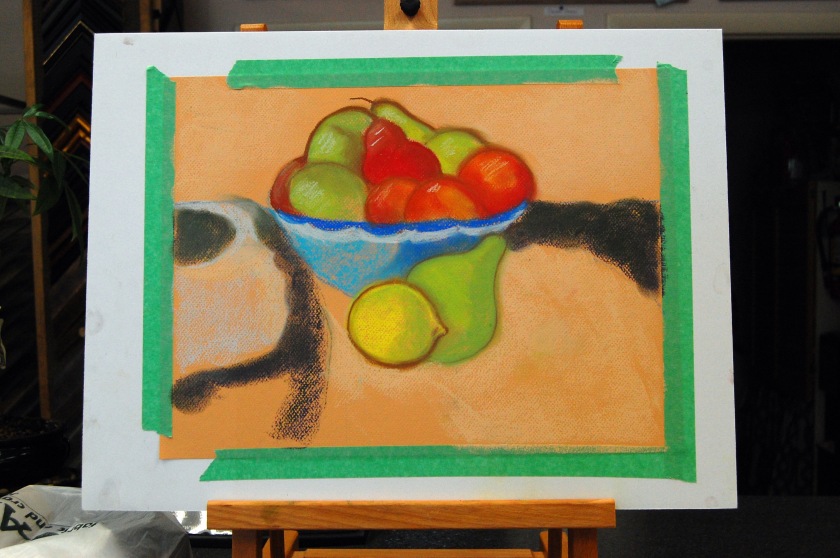
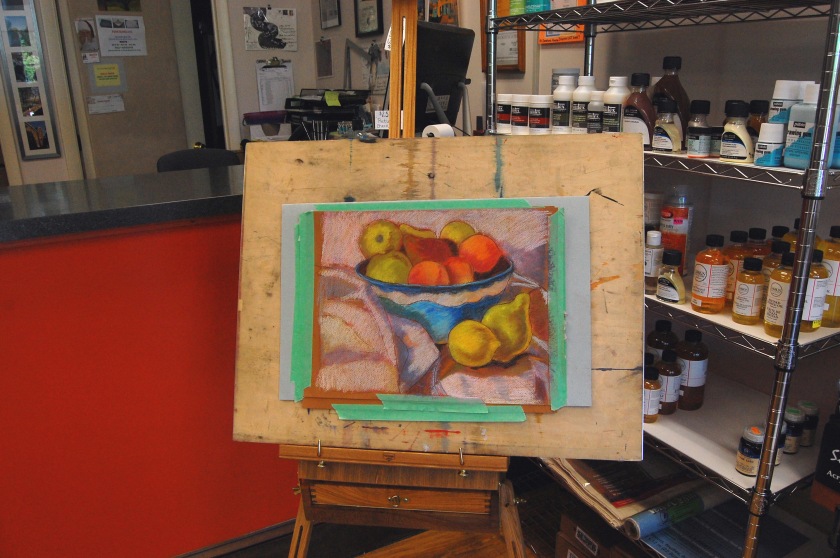
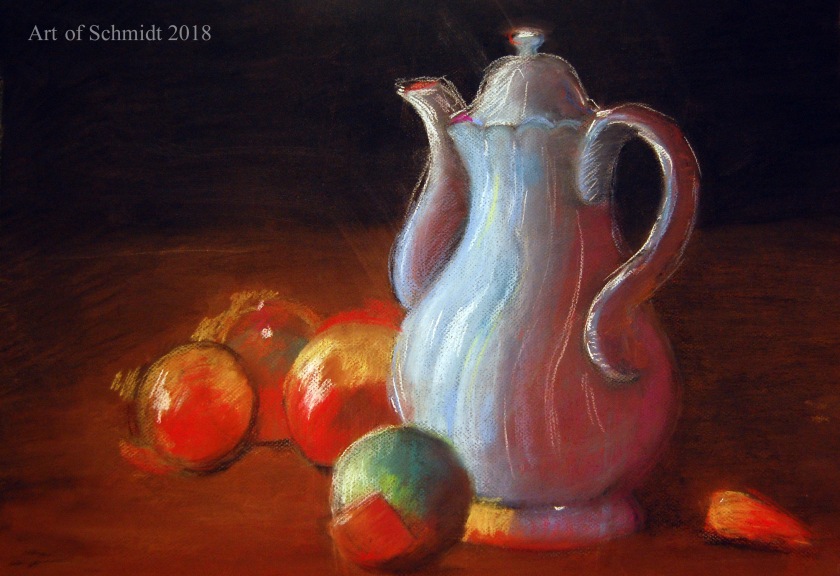
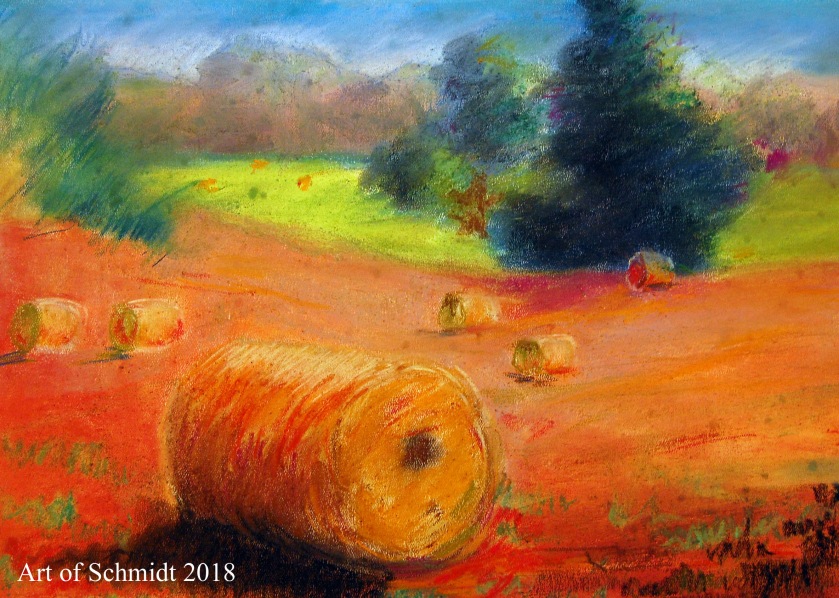
The photos below are a collection of art demonstration paintings that I created to help re-teach myself how to draw in pastels and to prepare for the pastel workshop I taught on June 16, 2018, at the Colorful Canvas art supply store. Also included are photos of my art students at work and the pastel drawings they created at the class. Please note, the pastel drawings pictured here are based on the art demonstrations found in the book, The Art of Pastel, published by Walter Foster, in 2010. These pastel drawings are not my original works and are not intended for sale. The works were made simply to practice pastel drawing techniques and help my students to have a demonstration format to follow. In addition, the pastel drawings were originally created by the artists, William Scheider and Marla Baggetta, and no copyright violation is intended.
pastel still life with onions and carafe1
Jug with onions, pastel on paper, after William Schneider, 2018.
Haybale pastel landscape, flat-1
Hay bales Landscape, pastel on paper, after William Schneider, 2018.
Colorful canvas 1, flat_edited-2
Photo of Art Students at Work, June 16, 2007, at the Colorful Canvas Art Supply Store.
Colorful Canvas students, flat_edited-1
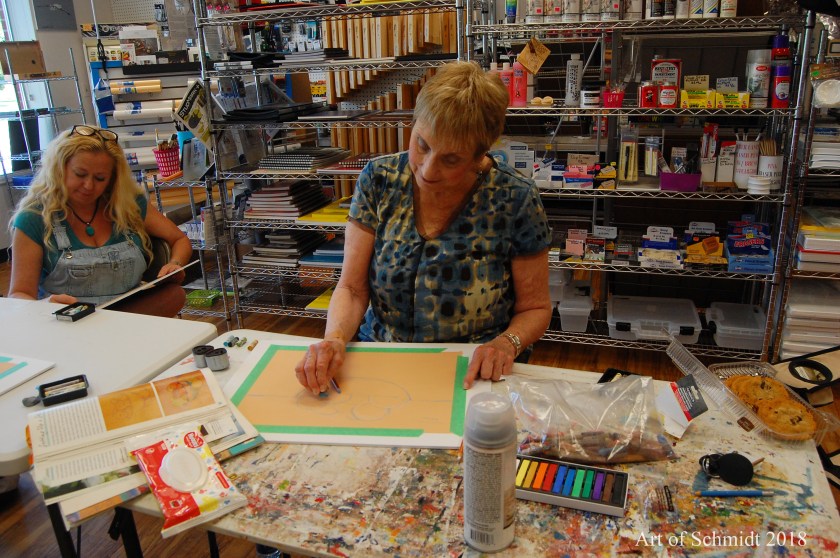
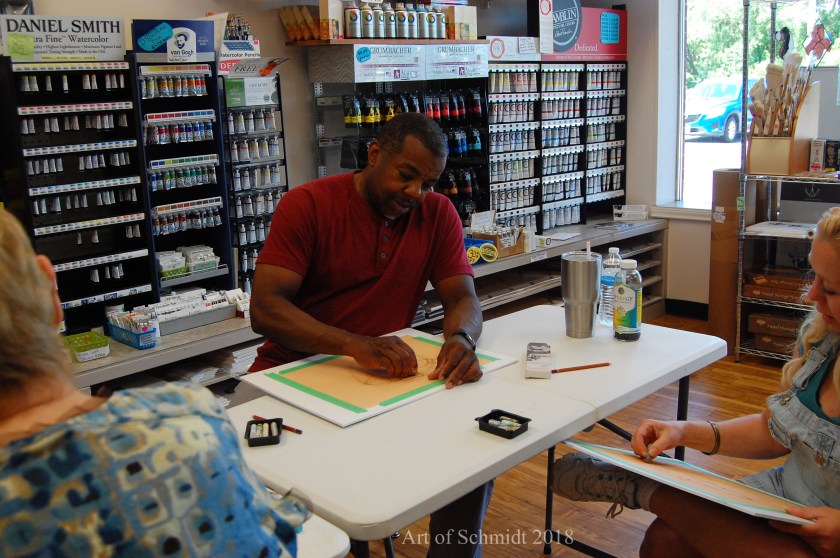
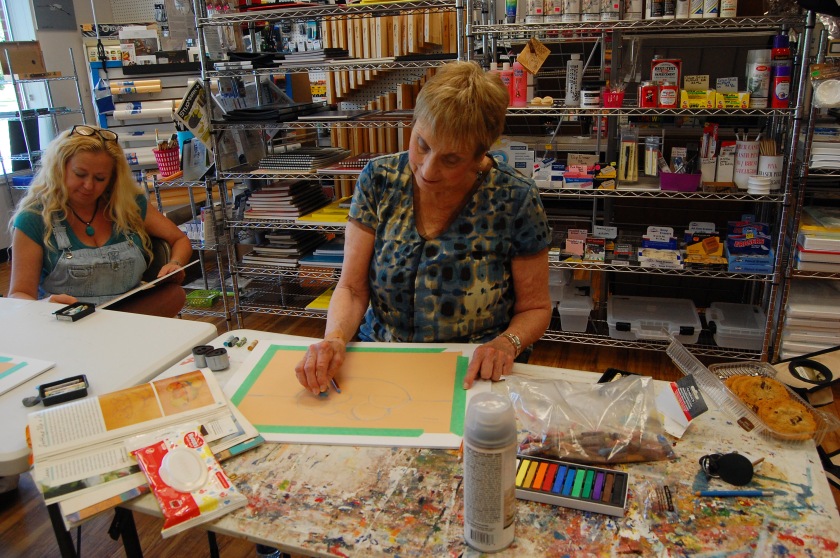
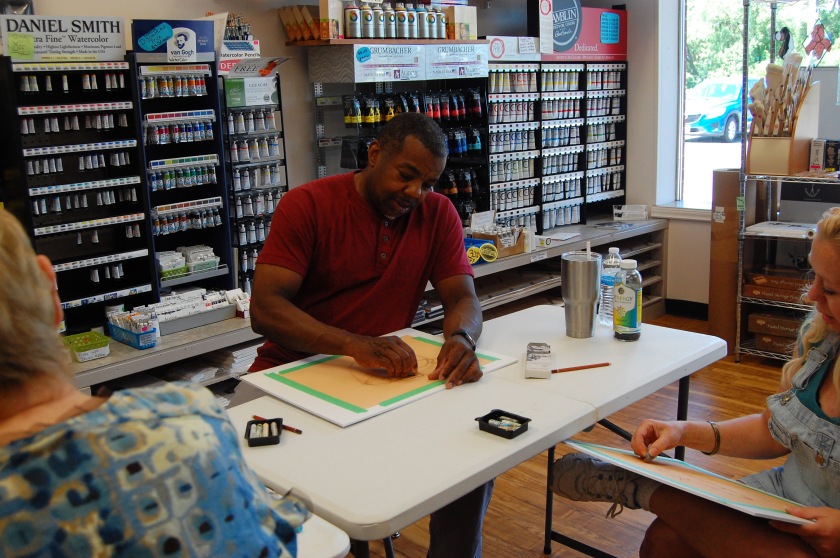
These are photos of students at the Colorful Canvas in Frederick, MD on June 16, 2018. This was taken during a pastel workshop I taught which focused on drawing a fruit still life in pastels.
Carlton's fuit still life, flat-2
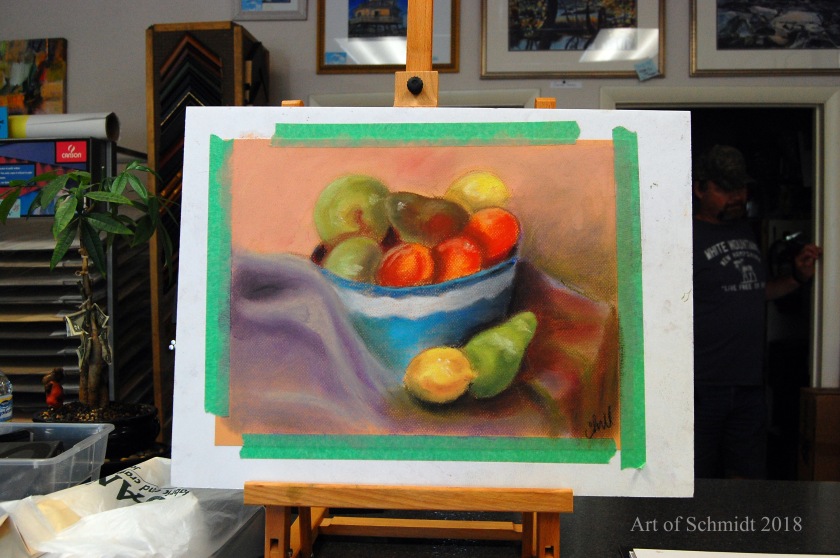
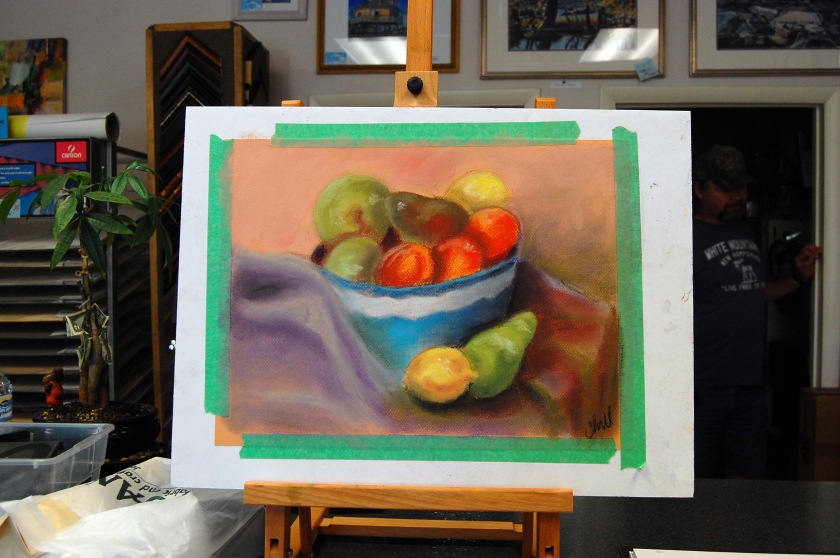
Here is some more student Artwork which was completed at my pastel workshop.
Denise's still life, flat-2
Another image of a student’s pastel drawing.
Jean's fruit still life, flat
A final image of my mother’s artwork, who was also one of my students and a dedicated support of my art.
demonstration pastel painting, flat
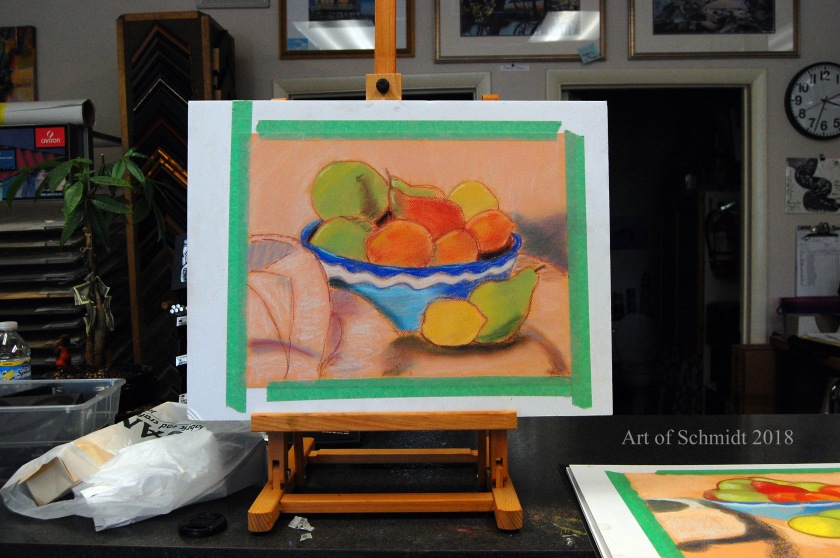
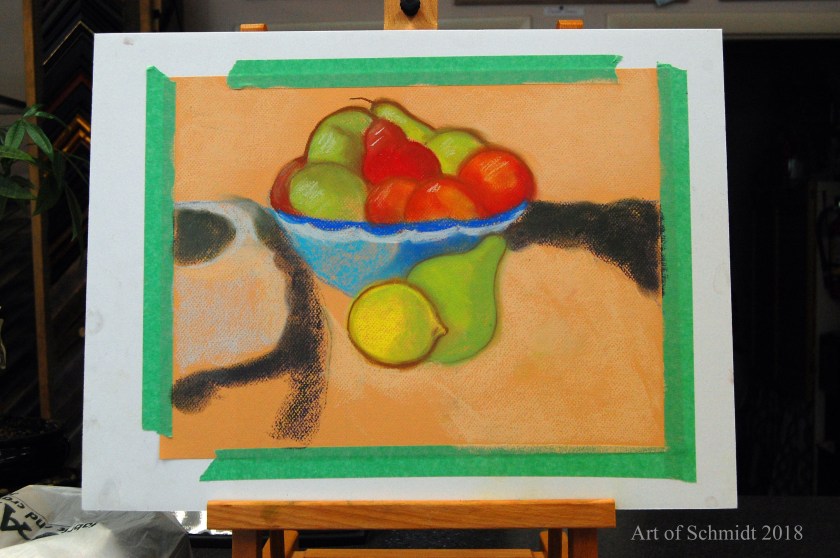
Here is the art demonstration I created for the pastel workshop. I re-created this pastel drawing during the class to teach the students how to draw a fruit still life from scratch. To guide the students, I started by drawing with the basic shapes, circle, triangle, and oval. Note: This pastel was originally created by artist,  Marla Baggetta in the book, The Art of Pastel, published by Walter Foster in 2018. 

Pastel Workshop at the Colorful Canvas Art Supply Store in Frederick, MD

Today I taught a pastel workshop at the Colorful Canvas art supply store in Frederick, MD. It was quite a change stepping into the teacher’s shoes after years of being a student. I was amazed at how quickly my students picked up all the various concepts I tossed out at them including line, shape, color, and value. I started with a drawing and broke down the fruit still life into basic shapes. After I had done that, I broke down the colors and values to their most basic levels and continued to refine them. In addition, I took breaks in between each step, so the students could follow along and not get lost in the process. I hope to be able to teach another pastel class soon! Below are some photos of the art class students I taught today and the artwork they created. Thanks for stopping by!Colorful canvas 1, students_edited-1Colorful Canvas students, two_edited-1Carlton's fuit still life_edited-1Denise's still life_edited-1Jean's fruit still life_edited-1demonstration pastel painting, Jodie

Art of Schmidt Newsletter: May 2018

Hello Family, Friends, and Fans,

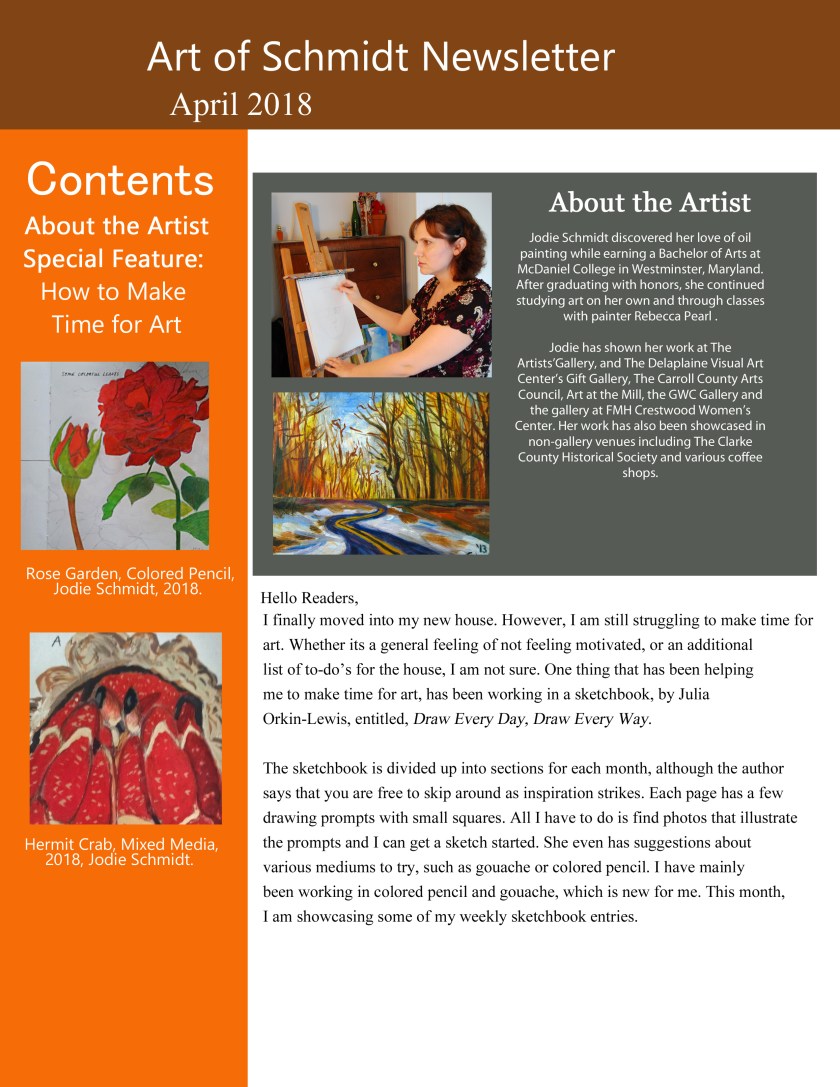
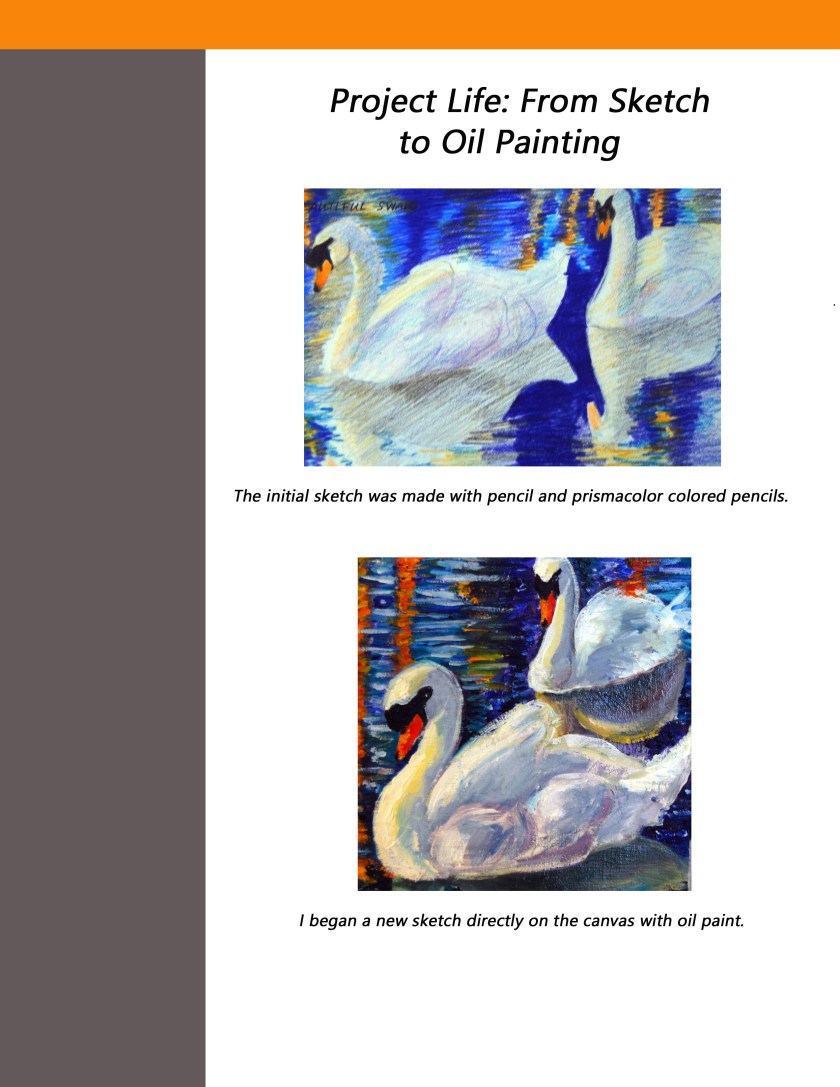
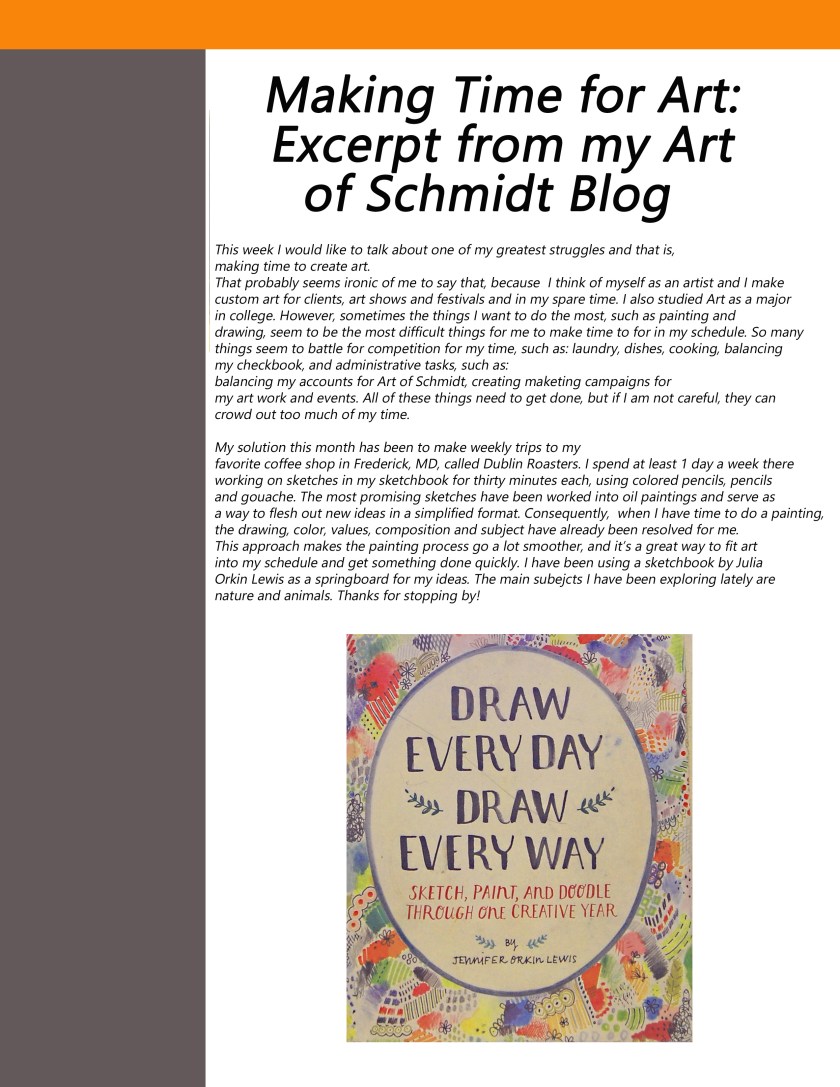
I have decided to start posting my newsletter on my blog, since becoming a homeowner, rather than sending out individual emails to my mailing list. Anything that helps me to scale back is something I am embracing these days. This month’s newsletterArt of Schmidt Newsletter, May, finalArt of Schmidt, May 2018, page 2, finalArt of Schmidt, May 2018, page 3, project life_edited-2Art of Schmidt, May 2018, page 4, make time, final features some pages from my sketchbook entitled, Draw Every Day, Draw Every Way, by Julia Orkin Lewis and my featured topic is making time for art.
Pastel Workshop

Hello friends, family, and fans,

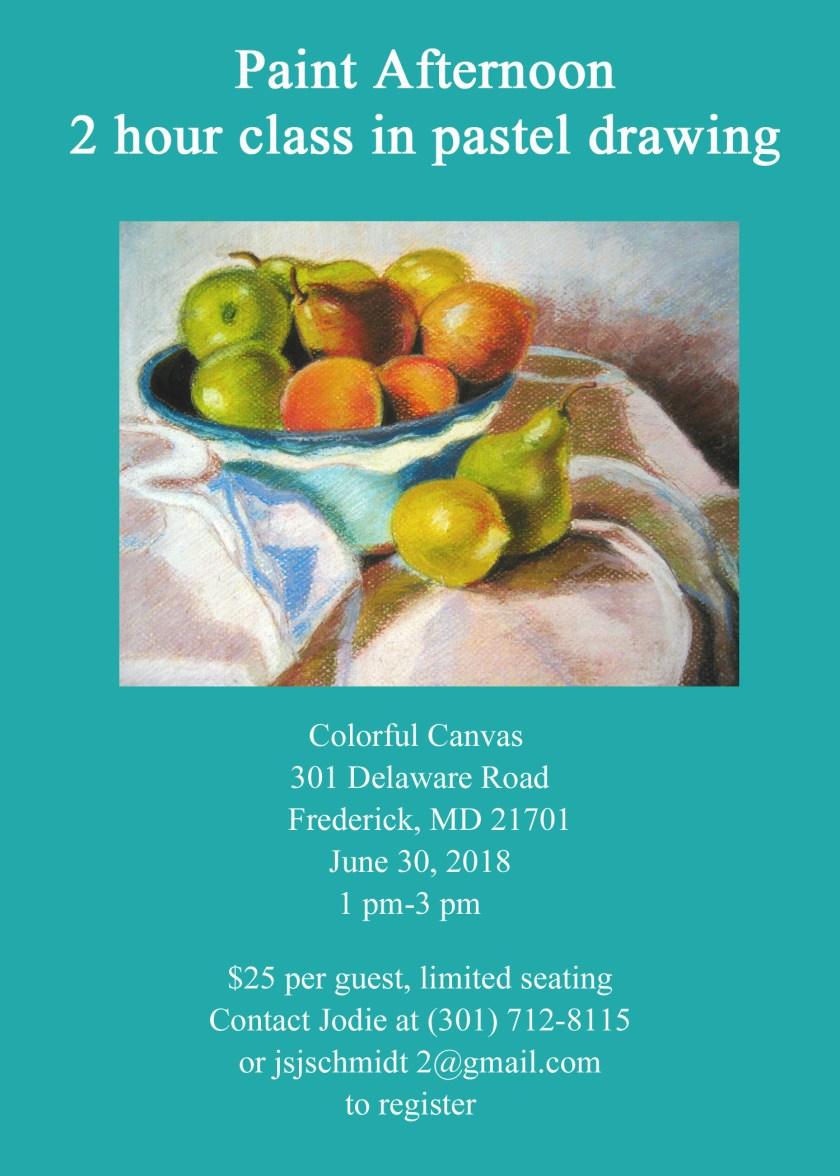
I am planning to host a pastel workshop this June at the Colorful Canvas in Frederick< Md on June 30th from 1pm-3pm. I will be giving a live demonstration of how to use pastels to create a three-dimensional drawing with a fruit still life. Call me or email me if you have questions or would like to register for this event. Beginners are welcome! Revised Paint Night Flyer, final

Part 2: Famous Failures, J.K. Rowling, Addendum


Lincoln and J.K. Rowling are both Writers

 After writing last week’s blog post about famous failures and depression, in which I compared the experiences of the famous failures, Abraham Lincoln and J.K. Rowling, I realized that I had failed to document a source for the statement I had made about her depression. Citing sources is very important to me since I come from an academic background. So, this week I am writing an addendum to last week’s blog post with some citations and some quotes from J.K. Rowling about her experiences with depression, and how she overcame it. How I made this mistake, I don’t know, since I spent many weeks proofreading the post, but there it is. Perhaps it’s like tunnel vision, the closer you are to something, and the harder it is to get perspective about an issue.


In addition, I’d also like to discuss another link between J.K. Rowling and Abraham Lincoln that I had inadvertently missed, which was that they both are writers. Abraham Lincoln wrote poetry and speeches, and some of his most famous writings were The Gettysburg Address (presented in November 1863) at the Gettysburg battlefield, in Gettysburg, Pennsylvania, and his House Divided Speech, given on June 6, 1858, at the Illinois republic convention in Springfield, Illinois.(Sources: “This Day in History,” 19 November, Lincoln’s Gettysburg Address, The History Channel,https://www.history.com/this-day-in-history/lincolns-gettysburg-address, accessed on 05/17/18, and  “Lincoln’s House Divided Speech,” (1858), PBS.org, http://www.pbs.org/wgbh/aia/part4/4h2934.html, accessed on 05/17/18).


Likewise, J.K. Rowling is a fiction writer and the celebrated author of the Harry Potter book series. Rowling’s writing was a major factor in her recovery from depression, and I wonder, might she have been on to something? (Source: “How J.K. Rowling beat Depression,” Justin Bennett, How I Beat Depression, http://www.howibeatdepression.com/how-jk-rowling-beat-depression/, accessed on 05/17/18. It is possible that Lincoln also found relief in writing from his depressive thoughts.


For example, in an article by Joshua Wolf Shenk, “Lincoln’s Great Depression,” Shenk includes a poem that may have been written by Lincoln, though no definitive evidence exists, as the poem was unsigned. However, it seems likely that Lincoln might have written it because several characteristics of the poem are similar to Lincoln’s style with regard to “syntax and tone.” (Source: Joshua Wolf Shenk, “Lincoln’s Great Depression,” The Atlantic, October 2005 issue, https://www.theatlantic.com/magazine/archive/2005/10/lincolns-great-depression/304247/) In the poem, the unknown author wrote about depression and his/her intention to commit suicide, entitled, “The Suicide’s Soliloquy. (Source: ibid) The poem was published in The Sangamo Journal in 1838, which was a “four-page Whig newspaper in Springfield, Illinois”. (Source: ibid, and Joshua Wolf Shenk, “The Suicide Poem,” The New Yorker, June 14, 2004, Issuehttps://www.newyorker.com/magazine/2004/06/14/the-suicide-poem, accessed on 05/21/18,) Here is a quote from this poem:


“Here, where the lonely hooting owl
Sends forth his midnight moans,
Fierce wolves shall o’er my carcase growl,
Or buzzards pick my bones.


J.K. Rowling and Her Depression


Similarly, in her own words, Rowling described her experience with depression as follows: “Depression is the most unpleasant thing I have ever experienced…It is that absence of being able to envisage that you will ever be cheerful again. That very deadened feeling, which is so very different from feeling sad. Sad hurts but it’s a healthy feeling. It is a necessary thing to feel. Depression is very different.” (Source: Justin Bennett, “How J.K. Rowling Beat Depression,” May 15, 2012, http://www.howibeatdepression.com/how-jk-rowling-beat-depression, accessed on 15 May 2018.) In a similar way, Lincoln described is depression as untenable: “I am now the most miserable man living. If what I feel equally distributed to the whole human family, there would not be one cheerful face on the earth.Whether I shall ever be better, I cannot tell; I awfully forebode I shall not. I must die or be better, it appears to me.” (Source: Abraham Lincoln Quotes about Depression, http://www.azquotes.com/author/8880-Abraham_Lincoln/tag/depression, accessed on 05/18/18, and also, “Lincoln’s Great Depression,” Joshua Wolf Shenk, The Atlantic, October 2005 issue, https://www.theatlantic.com/magazine/archive/2005/10/lincolns-great-depression/304247/, accessed on 05/18/18.


According to the writer, Justin Bennet, Rowling experienced a depressive episode, and suicidal thoughts following the break -up of her marriage to a Portuguese journalist that ended in two years. (Source: (Source: “How J.K. Rowling beat Depression,” Justin Bennett, How I Beat Depression, http://www.howibeatdepression.com/how-jk-rowling-beat-depression/, accessed on 05/17/18.)  At the time, of her divorce, she was living in Edinburgh, Scotland, with her small daughter, and a friend paid the security deposit on her apartment. (Source: CNN, “Harry Potter author: I Considered Suicide,” 2008, http://cnn.com/2008/SHOWBIZ?03/23/rowling.depressed/index.html, accessed on 15 5 2018.)  She was unemployed and living on welfare benefits to support herself and her daughter. (Source: ibid) Seeking medical assistance turned out to be her salvation, although the first Dr. she went to seek help, unfortunately, dismissed the severity of her depression. (Source: Bennett) However, her regular physician prescribed cognitive behavioral therapy to help her to overcome her depression. (Source: Fox News, “J.K. Rowling Considered Suicide while Suffering from Depression Before Writing ‘Harry Potter,’ www.foxnews.com/2008/03/23/jk-rowling-considered-suicide-while-suffering-from-depression-before-writing.html).  She was caught in “fearful cycles of rumination and doubt,” as she started writing her series of Harry Potter books, which she had originally “conceived” in 1990, while she rode on a train. (Source: Bennet, 2012). Her first Harry Potter book was published in 1996 and was titled, The Sorcerers Stone. (Source: CNN)  And in fact, one of the characters described in her book called “Dementors,” were “hooded monsters,” that were symbolic of her depression, helped her to express her feelings about depression in a constructive way. (Source: Justin Bennet).


How Writing the Harry Potter Series Helped J.K. Rowling to Cope

In her depressed state, she thought that she had “nothing to lose,” by writing these books and that the worst that could happen would be rejection from “every major publisher in the UK.” (Source: ibid).

She turned writing into a daily discipline, and it became an outlet to help her overcome her depression, and the structure that this routine created provided her with stability during a very unstable stage in her life. (Source: ibid) It also helped her to stop worrying as she focused on creating plotlines and character descriptions for her Harry Potter books. (Source: ibid)

Is there Therapeutic Value in the Arts to help treat Depression or other forms of Mental Illness?

Could there be therapeutic value in immersing oneself in the arts, whether it is writing, music, fine arts, or creative movements, such as dance or sports? As for myself, I have found comfort in using drawing and painting as an outlet to express my feelings of grief, sadness, and anxiety. For example, in 2011, I started a painting series to document my father’s life, which I entitled, A Life Remembered. This painting series was based on black and white photos, which I used as inspiration for oil portraits of my father and the people and places he encountered during his lifetime. Similarly, J.K. Rowling found a daily writing practice to be of assistance to her in fighting her depression. (Source: “J.K. Rowling How to Deal with Failure,” Medium.com, https://medium.com/personal-growth/j-k-rowling-how-to-deal-with-failure-ff8c7cb0048, accessed on 05/17/18). Might Lincoln have also found solace in writing as an outlet for his feelings as well, while he was struggling with depression? I’m not sure of the answer, but all these questions are definitely food for thought.  Could it be that creative expression has the potential to be advantageous to everyone, whether you consider yourself “talented” in a specific discipline or not? Maybe art for art’s sake is valid, even if your art is not award winning.


According to the authors, Stuckey and Nobel, (2010), there is evidence-based research which suggests that these four creative domains: visual arts, music, expressive writing and dance/creative movement, there is a positive and beneficial relationship to health and well being. (Source: Heather L. Stuckey, and Jeremy Nobel, “The Connection between Art, Healing and Public Health: A Review of Current Literature,” US National Library of Medicine, National Institutes of Health, American Journal of Public Health,, 2010 February, volume 100 , issue (2):, pages 254-263 https://www.ncbi.nlm.nih.gov/pmc/articles/PMC2804629/. Accessed on 05/18/18).


These authors examined the current understanding between “art and healing,” by studying various research and literature which documents this connection (Source: ibid) The goal of their literature review and research was to focus on the time period between 1995-2007 and to evaluate “the state of peer-reviewed research on art and healing.” (Source: ibid)  They also sought to offer a concise summary of “both qualitative and quantitative research methods and results,” and to provide a description of all the main “categories of creative expression,” which have surfaced as enrichment to the

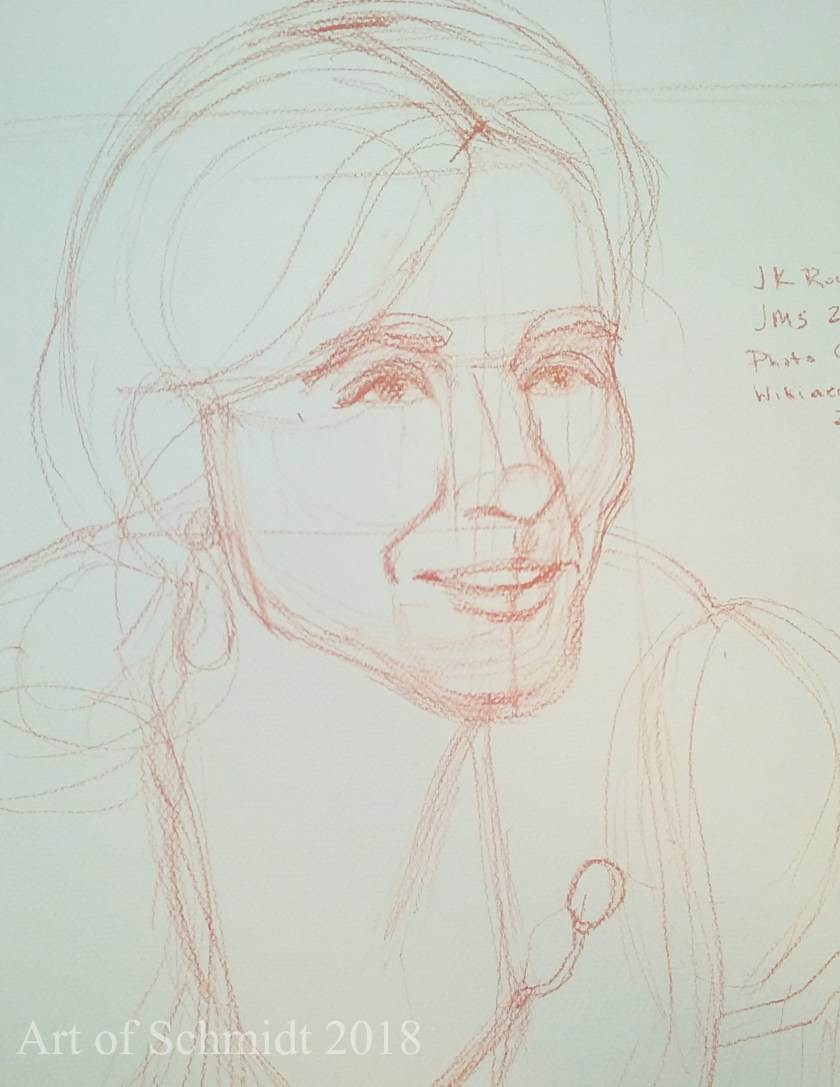
JK Rowling, flat
J.K. Rowling, Conte crayon on pastel paper, Jodie Schmidt, 2018. Photo reference source: Wikimedia Commons,JK Rowling reads from Harry Potter and the Sorcerer’s Stone, at the Easter Egg Roll, at the White House, Daniel Ogren, 5 April 2010, photograph.
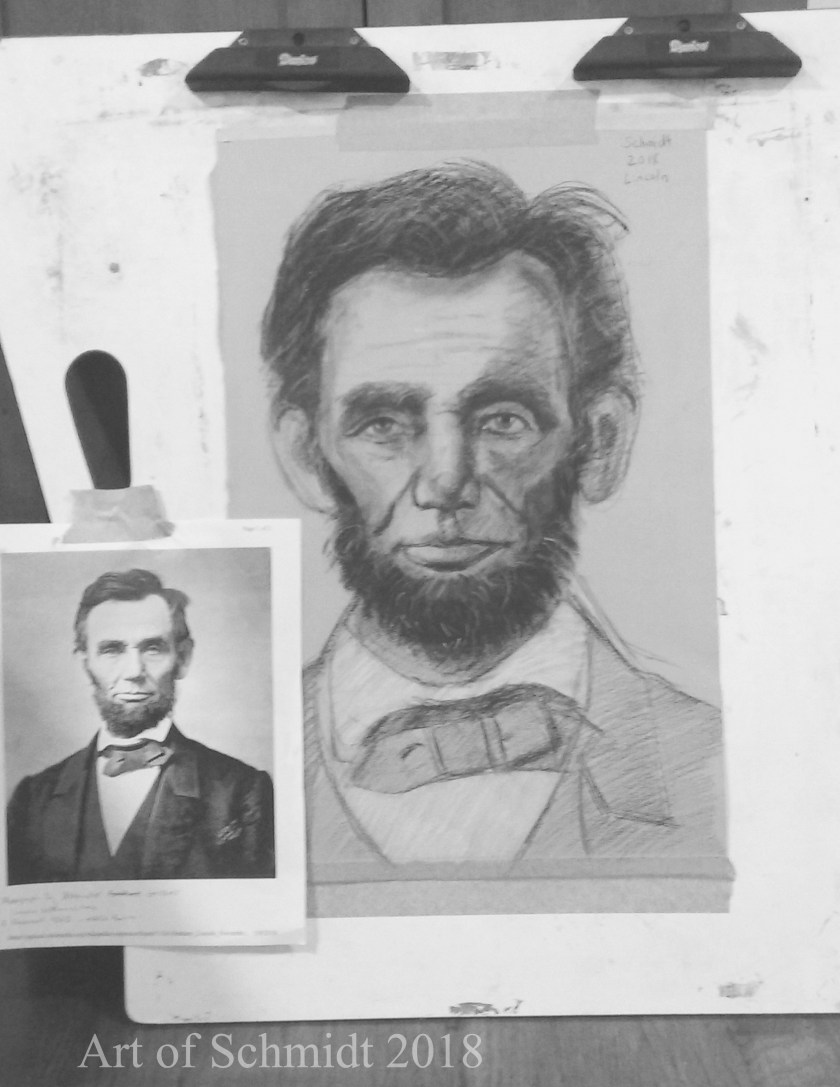
Lincoln Portrait in Pastel, flat
Abraham Lincoln, Conte crayon on pastel paper, Jodie Schmidt, 2018. Photo reference source: Wikipedia, Alexander Gardner, November 8, 1863, matte collodion print.

quality of life. (Source: ibid). The result of their research indicates that “in all four areas of creative expression,” significant indications pointed to a trend that showed that participation in the arts for enrichment’s sake has statically significant beneficial “effects on health.”(Source: ibid)  However, the authors offer the caveat that there are limits to “many of the studies included in our review,” and it is therefore not possible to make generalizations about the relationship between the therapeutic benefits of engagements with the arts and one’s health. (Source: ibid)  In addition, the authors also admit that their “sample of studies is not exhaustive, and other research has been added to the literature since our review was conducted.” (Source: ibid).


In conclusion, it;’s an interesting study nonetheless, despite its limitations, and it confirms my supposition that there could be a positive correlation between the arts and well being. I wonder if somewhere inside of ourselves, we really do know what is good for us, and just need to listen to that instinct more. What about you? Have the arts helped you get through difficult times or brought enrichment to your life?


Famous Failures: J.K. Rowling, Her Struggles and Her Triumphs (Part 2)

Similarities between J.K. Rowling and Abraham Lincoln: Depression

This week, I am diving into part two of the series I started on April 21, 2018, entitled, “famous failures”, a term coined by Sid Sivara, who wrote an article with that title. The personality I want to highlight this week is the author of the celebrated Harry Potter books, J.K. Rowling. As I researched her life, I discovered that she has some striking similarities to the personality which I described a few weeks ago. For example, both she and Lincoln struggled with depression and poverty.

Abraham Lincoln, (1809-1865), was the sixteenth president of the United States and he grew up on a farmstead in Kentucky. (Source: James M. McPherson, “Lincoln, Abraham, (1809-1865), Sixteenth president of the United States”, American National Biography, http://www.anb.org, retrieved on 05/08/2018.)  During his childhood, he carved out a life which was marked by hard physical labor and a lack of consistent education in a one-room schoolhouse. (Source: ibid) He also suffered from melancholy and depressive episodes for much of his life, as well as “brooding” which his friends termed, “the hypo,” short for hypochondria. (Source: ibid, and Shenk, Joshua, “Lincoln’s Great Depression”, The Atlantic). “Hypo,” was the term medical practitioners used in the 19th century to describe what we now recognize as clinical depression. (Source: McPherson)

Similarities between J.K. Rowling and Abraham Lincoln: Professional Failures

Lincoln also tried and failed at much life professional pursuits, including “store clerk, mill hand, a partner in a general store that failed, postmaster, and surveyor.”  (Source: ibid). He also experienced failure in his political career from time to time, and in 1832, when he ran for the legislature, he was defeated. (Source: ibid, and Sid Sivara, “Famous Failures: Michael Jordan, AbrahamJK Rowling portrait_edited-1Abraham Lincoln portrait_edited-1 Lincoln and J.K. Rowling”, https://sidsavara.com/famous-failures-michael-jordan-abraham-lincoln-and-jk-rowling, retrieved on 03/29/18) However, when he re-entered the political race for the legislature in the New Salem district of Illinois, he made a decisive victory in 1834. (Source: McPherson). Despite many setbacks, Lincoln developed a new direction and ambition during his years living in the town of New Salem, Illinois. (Source: ibid) In fact, he started making decisive moves towards self-improvement by joining a debating society, received mentoring from the local teacher in New Salem, Illinois, Mentor Graham, in both mathematics and literature, and he developed a strong interest in politics. (Source: ibid)   In addition, he developed a lifelong interest and appreciation for William Shakespeare and Robert Burns. (Source: ibid)
Likewise, J.K. Rowling also faced extremely challenging life challenges such as poverty and depression. For example, she faced countless rejection letters for her Harry Potter books, initially at least. (Source: Elle Kaplan, “How J.K. Rowling Turned Failure into Massive Success, (And You Can Too),” https:// medium.com, accessed April 17, 2018).    Also, like Lincoln, she seems to be a deep thinker and one who had a specific dream and ambition. (Source: ibid) Rowling’s dream was to provide a good life for her daughter, and she did not give up, no matter how many times she failed. (Source: ibid)   Like Lincoln, she was successful, though it was far from easy. (Source: ibid).

J.K. Rowling’s Unlikely Success: What Motivated Her

While many of you may recognize J.K. Rowling as a bestselling author of the Harry Potter book series, did you know that she was once jobless, living on welfare and raising a daughter all by herself as a single mother? (Source: ibid) In her own words, she states: “By every usual standard, I was the biggest failure I knew.” (Source: ibid).  In addition, she states that her failures helped to shed light on many aspects of her life, including her relationships with others, and that it gave her tenacity to “face adversity head-on to turn unfortunate circumstances into success.” (Source: ibid.)

One aspect of her experience that gave her the will to succeed and rise above her struggles was her wish to give her daughter a better life. (Source: ibid) During this pursuit, she held onto this truth she knew about herself and that was that she believed she knew how to tell a story. (Source: ibid) Understanding her “why” for wanting to succeed in life was crucial to her achievements. (Source: ibid) Learning about J.K. Rowling’s life before she was famous, makes her seem more human and relatable, and it gives us hope that if she can be successful against significant life struggles, so can we. But how do we do this? To investigate this question further, I referred back to the Kaplan article to see what suggestions the author made about being successful.


What to Do When Failure Occurs: A Few Suggestions

The author, Kaplan, provides some insights into what we can do to mitigate the sting of failure. For example, she states, when a failure occurs and it inevitably will, rather than letting it defeat you, get some perspective and ask yourself some questions, such as: Do I try again, or do I give up? What do I hope to achieve and why? Is there another way to reach my goal or a strategy I haven’t tried yet? (Source: ibid)

Another strategy you can use to rise above failure is to envision that you are actually being successful in your endeavors and to detach yourself from feelings of failure so that it doesn’t define you. (Source: ibid) According to Kaplan, “Visualization is a powerful tool for building confidence and changing your mindset toward success.” In fact, Kaplan states that: “A recent study looking at brain patterns in weightlifters found that parts of the brain activated when a weightlifter lifted hundreds of pounds were also activated when they only imagined lifting.”  In conclusion, I don’t suppose that I will ever be as famous as J.K. Rowling or Abe Lincoln, and I am OK with that. In fact, I’m not sure that I would want the kind of pressure that they experienced, such as the ever-present imperative to achieve because of their phenomenal successes and contributions to society. I just want to stop letting past failures stop getting the better of me. If I focus too much on these types of things, it can be paralyzing and keep me from moving on toward my next goal. What about you? Do you have a dream that just won’t die, no matter how many times you fail in the pursuit of its fruition? What is your reason for living? I’d love to hear all about your dreams, hopes, and ambitions. Send me a note in the comments section of this blog.

Celebrities who Failed and Lived to Tell the Tale: Part 1

Why I haven’t been Blogging

Maybe you’ve noticed that I haven’t been blogging much recently and have wondered whether I had fallen off the planet, or have given up on blogging entirely or making art for that matter. It has been a month of life-altering changes since my husband and I bought our first home this past March. I have struggled to make time for art, much less write about it with all the additional responsibilities which have been added to my plate that come with being a homeowner. For example, the house is a fixer-upper, and my apartment needs to get ready for the move as well. I am sorry to say that despite my daily efforts, I still don’t feel prepared, even though the move is only one week away. My husband and I both work, and we’re spending nights and weekends trying to get our home move in ready. It’s been a lot of physical work too, and it’s been draining, exhausting work. Somehow, blogging has fallen through the cracks. In the middle of all this, I have been trying to complete a custom art portrait before the move, and to get to my sketchbook to draw and paint at least 1x a week. Furthermore, I want to present you with quality material and writing doesn’t come naturally to me. So, that’s why I have taken a break from blogging until I found a subject which really resonates with me. This brings me to my next point.

Failure: A topic with which many can relate

I’ve been thinking in depth about blog topics for a while now and trying to figure out what to write about. During this time, I have wondered, what kinds of topics would appeal to both artists and non-artists alike? After considering several topics, I decided that I wanted to write about “famous failures” which were written about by Sid Savara, in his article, “(Sivara, Sid. Famous Failures: Michael Jordan, Abraham Lincoln, and J.K. Rowling. https://sidsavara.com/famous-failures-michael-jordan-abrahma-lincoln-andjk-rowling/.Accessed 29 March 2018.  In my personal life, this topic feels increasingly relevant.  I have been dealing with several challenges in my art career, such as struggling to find consistent income from art sales. In truth, there have been a lot of ups and downs with my art sales over the years and I’m not sure what I can do to tweak my approach toward selling my artwork. At times, I honestly just feel like just giving up on the business aspect of art, and pursuing it as a hobby instead. There are so many aspects involved with being an artist-entrepreneur and I do not know if I have the drive, intelligence and patience to run that type of marathon, or the ability to learn skills so outside of my skill set, like marketing. It is a constant juggling act between the business side of being an artist and actually making time to make art.

My Personal Failure: Why Isn’t My Art Selling?

One of the setbacks I have been dealing with is inconsistent art sales. I’m asking myself, why isn’t my artwork selling? Could it be that I am not using the right marketing strategies or that I don’t post often enough on Facebook, and Instagram? Do I need to work more on my presentation of my artwork through my photography on my website, and commerce sites by purchasing a new and more professional camera and learning new photography techniques? Or, is there some other reason I haven’t figured out yet? Is it my medium, price point, style, or subject matter? Do I need more of a range of prices to attract more customers to my Etsy shop, Red Bubble shop or art shows? In the meantime, while I consider these questions, I am drawing inspiration from “famous failures” to learn how other people have successfully dealt with personal setbacks.


Abraham Lincoln: Famous Failure example 1

One of my favorite famous failures is Abraham Lincoln. To begin my discussion of this topic, I would like to start with a quote from Michael Jordan who stated: “I have missed more than 9,000 shots in my career. I have lost almost 300 games. On 26 occasions I have been entrusted to take the game-winning shot, and I missed. I have failed over and over and over again in my life. And that is how I succeed.” ( Sivara, Sid. Famous Failures: Michael Jordan, Abraham Lincoln, and J.K. Rowling. This quotation originates from a Nike Commercial by Michael Jordan, entitled, “Failure”.)

In a similar way, to Michael Jordan, Abraham Lincoln also faced many failures and setbacks on his journey to becoming the 16th President of the United States and one of the best we’ve ever had in my opinion. According to Savara, some of Lincoln’s failure’s included: being unemployed in 1832, being beaten for the legislature in 1832, failing in business in 1833, and rejected for Speaker in 1838. It was not until 1860, that he reached his greatest achievement when he was elected President of the United States. (ibid)

How did Lincoln going despite his countless challenging life circumstances and personal tragedies and probably clinical depression? I’m not sure what the answer to that is at the moment, but from one of his quotes, I would deduce that he was not content with failure and would not let it define him. In the words of Lincoln: “My great concern is not whether you have failed, but whether you are content with your failure.” To look at this question in more depth, I have done additional research about his strengths as a leader and some of his personal coping strategies, such as writing letters to people he was angry with and not sending them, which he called, “hot letters,” telling jokes to ease his melancholy, having good self-awareness  about  his weak points. Some other strengths he possessed include:  constantly learning and adding to his knowledge base, such as his intense study of military strategy, so he could play an active role as commander-in-chief, during the Civil war and talk directly to military leaders about their military strategies, and finally, listening to the opinions of others, whose opinions differed from his own, (Sources: Shenk, Joshua Wolf. Lincoln’s Great Depression. The Atlantic Monthly, October 2005 Issue, https://www.theatlantic.com/magazine/archive/2005/10/lincolns-great-depression/304247/ Accessed 19 April 2018, Coutu, Diane. Leadership Lessons from Abraham Lincoln. The Harvard Business Review, April 2009, https://hbr.org/2009/04/leadership-lessons-from-abraham-lincoln. Accessed 19 April 2018, Moreton, Catherine L.10 Qualities that Made Abraham Lincoln a Great Leader, June 25, 2008, https://hr.blr.com/whitepapers/staffing-training/leadership/10-qualities-that-made-abraham-lincoln-a-great-lea. Accessed 19 April 2018.


To conclude, I am going to divide this topic of Famous Failures, into sections so that the articles will be short and more readable. Each article will focus on a specific person


Abraham Lincoln Portrait with green, edit
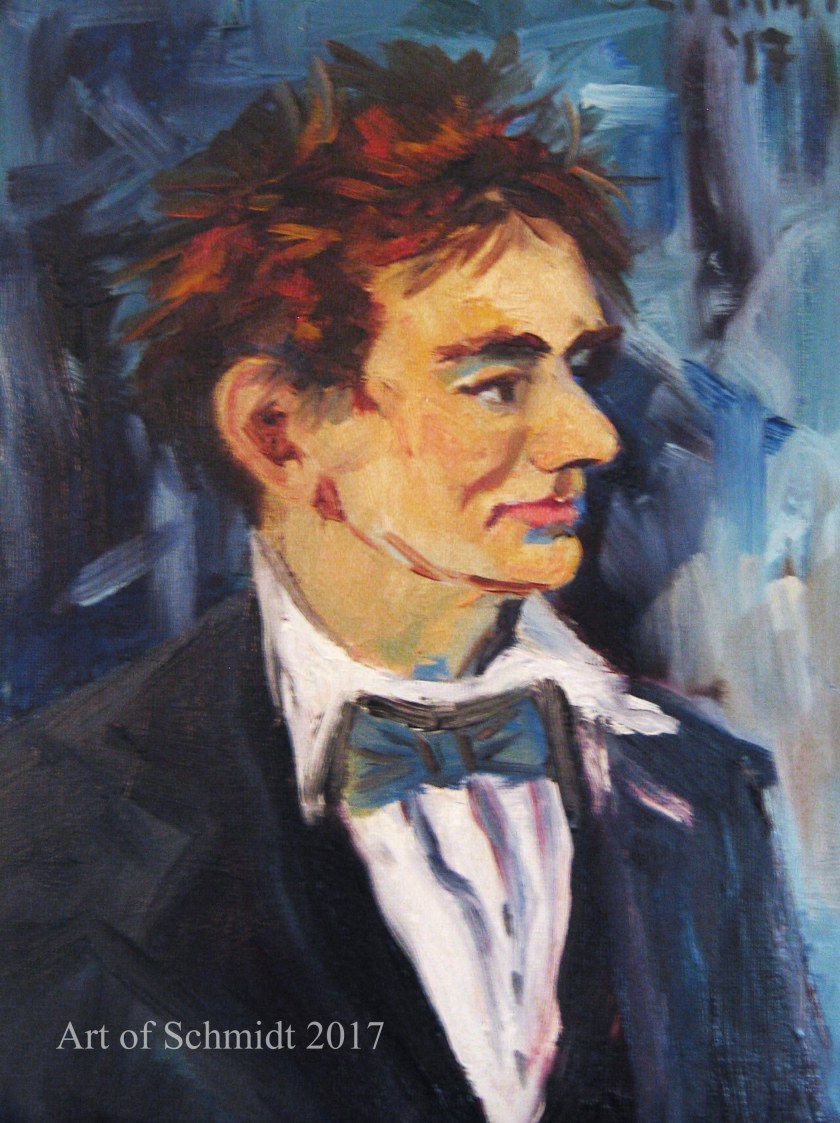
Abraham Lincoln in Blue, Oil on Canvas, 9 x 12 inches, 2009, Jodie Schmidt.


Abraham Lincoln After portrait
Abe Lincoln, Oil on Canvas, 9 x 12 inches, 2018, Jodie Schmidt.
Abraham Lincoln in Pop Art Style
Pop Art Style Lincoln, Oil on Canvas, 11 x 14 inches, 2007, Jodie Schmidt.

with specific details about their stories. So next week, I will be writing about the life story of the author, J.K. Rowling. I hope that you enjoyed this post and that it brings light and encouragement to your day. Failure is inevitable but how we respond to it, is our choice.


Art of Schmidt Newsletter

Hello Friends, Followers and Fans,

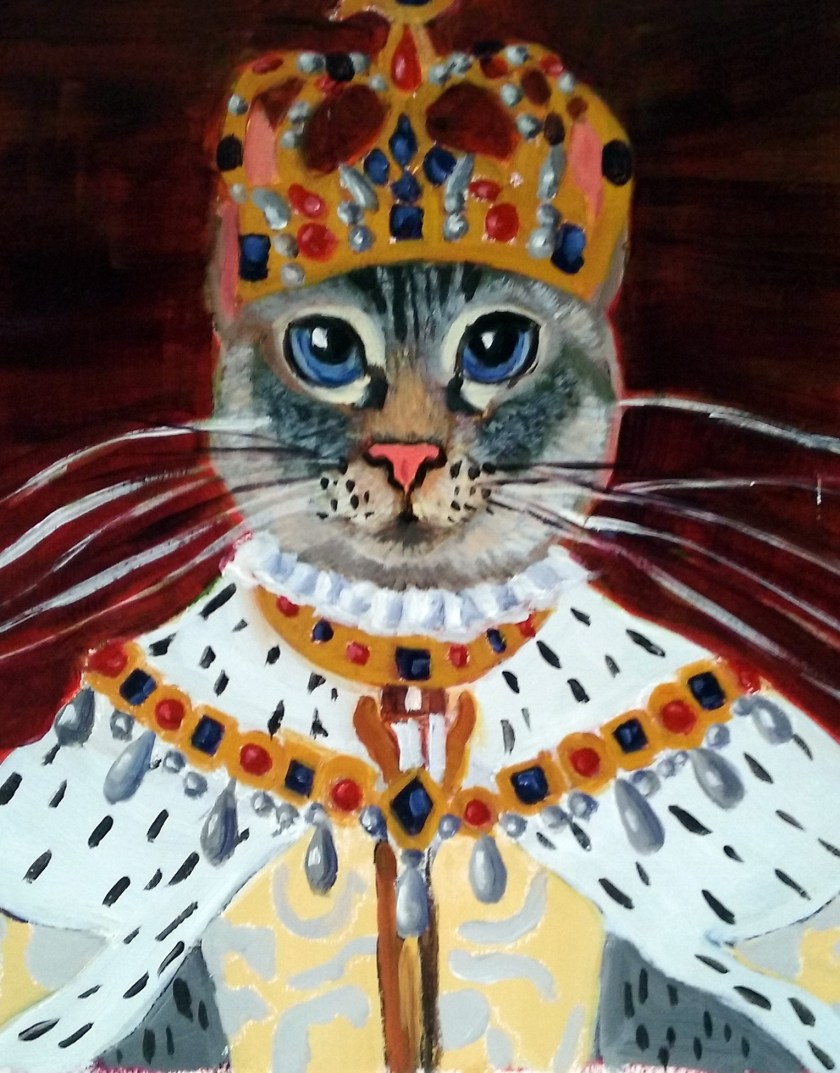
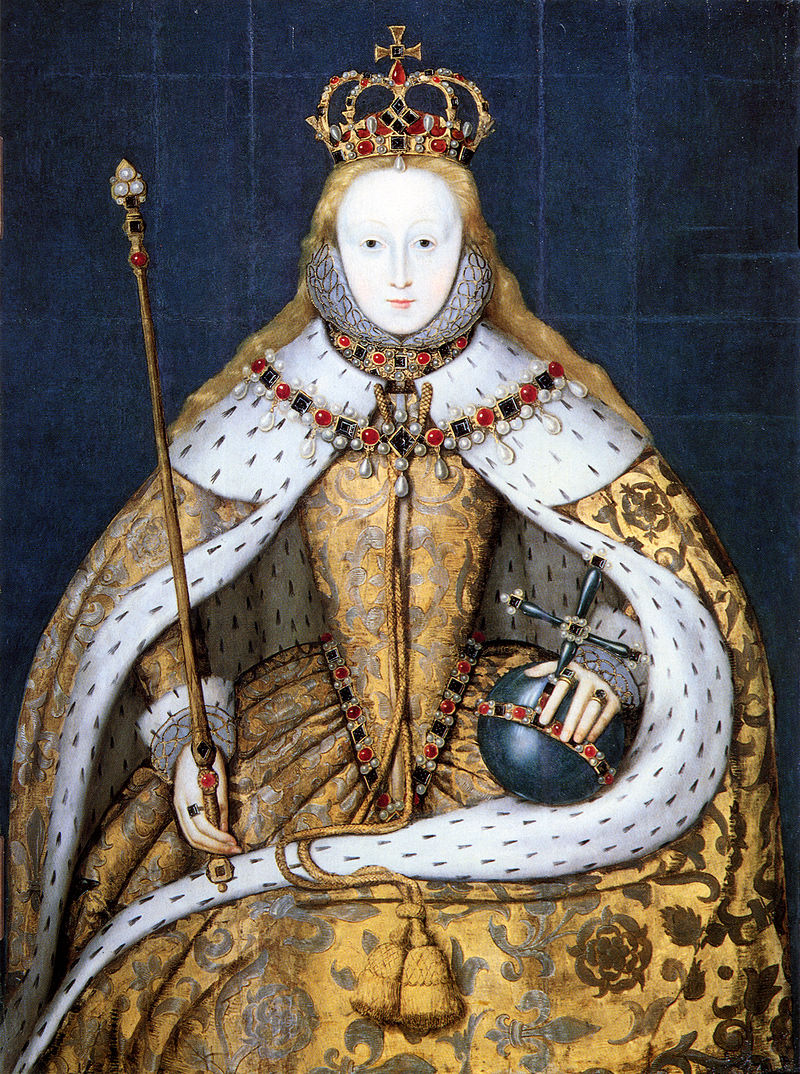
It has been a super busy season for me, managing the daily tasks of life, plus buying a new home, and various other things, so I haven’t posted as often as I would like. Meanwhile, I am researching articles that I think would inspire future blog posts that would be of interest both to artists and nonartists. While I am working on that, enjoy a peek behind the scenes into my latest pet portrait custom art order, which is inspired by a portrait of Elizabeth 1. Bandit, full portrait, color sketch 2800px-Elizabeth_I_in_coronation_robes (1)Art of Schmidt Newsletter, March 2018, page 1, final, final, flatArt of Schmidt, 2 March 2018, final, final_edited-3Art of Schmidt, 2 March 2018, page 3, final, final_edited-2Art of Schmidt, 2 March 2018, page 4, final, final, complete

New Art work available on Etsy

Hey friends, followers, and family,

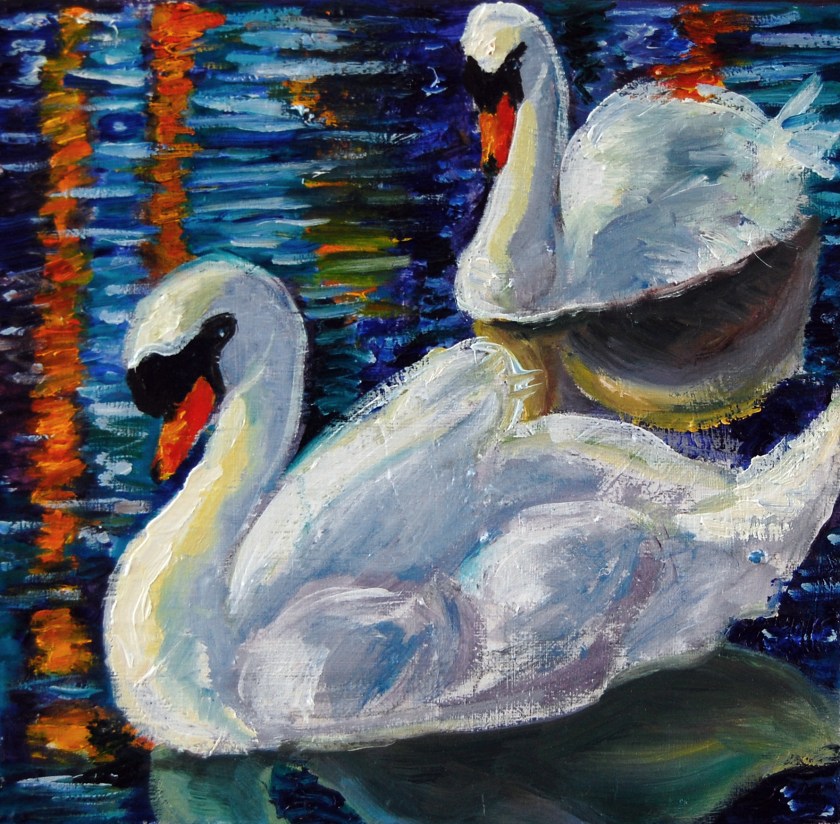
I just uploaded my new painting, Perfect Pair of Swans to my Etsy shop, so the original is now available for sale! The original painting is made with oil paints and canvas and measures 10 x 10 inches. The item is for sale at $250 and comes unframed.

Prints, mugs, and other reproductions of this work can be found on my Red Bubble Commerce site at https://www.redbubble.com/people/jsjschmidt2017/works/30920335-perfect-pair-of-mute-of-swans?asc=u&ref=recent-owner. Prices for I-phone cases start at $20.83. Many other items are for sale on this site also featuring these swans including canvas prints, mugs, clocks, and pillows.

Here are the links to my commerce shop if you are interested in taking a look at the original oil painting: https://www.etsy.com/shop/ArtofSchmidt.https://www.etsy.com/shop/artofschmidt If you have trouble with this link, go directly to my artist website: http://www.artofschmidt, and then click on buy art. Two links to my artwork on Etsy and Red Bubble should appear that are active. Perfect Pair of Swans_edited-1

Artists and Self-Doubt: Part 2, How to Deal with Other’s opinions about your art

Last week I talked about self-doubt in the context of one’s own self-doubt and self-defeating self-talk such as, “I am not good enough.”, and this week I am switching gears and writing about how to deal with constructive feedback or, not so constructive feedback, as the case may be. This type of criticism may come from a variety of sources such as teachers, family, friends, “fellow artists,” strangers, etc. Bustamante, 2016). Sometimes it is helpful and other times it is not. At times, these people may be sincerely “trying to help you” while at other times, their motives may be less than beneficent. (Source: Gill Bustamante, “Overcoming Self-Doubt for Artists…Even When Your Art Goes Terribly Wrong,” www.emptyeasel.com09/05/2016.

For instance, according to Bustamante, 2016, “Artists often find themselves targets of people who put them down with carefully worded barbed comments or “advice” that leads nowhere, or other thinly veiled criticisms that will discourage the artist on their efforts.” (ibid) In addition, according to Bustamante, it is very important to carefully weigh what others tell you about your artwork, to decide if their opinion is valid or not, taking their advice with a hefty grain of salt. (ibid) The litmus test seems to be, how you experience these people after spending time with them. (ibid) For instance, Bustamante, 2016, asks, do you feel better about yourself after you spend time with them or worse? (ibid) If you don’t enjoy spending time with them, then stay away from them. (ibid) However, if you can’t completely escape these people because they are co-workers or your spouse, “put up a shield “ to guard yourself against what they say. (ibid)

I’ve had my own share of experiences with really bad critiques from teachers, and insensitive comments from others over the years as an art student, and a professional artist. These sorts of comments make me want to give up and are usually too vague to be of any assistance in making improvements in my art. And I have also had the reverse experience; in fact, some of my best constructive feedback has come from art students, during class critiques where there are some ground rules about constructive feedback. These types of comments tend to be more positive, like a word sandwich, such as, I think what works in this painting is, (blank) however, if you changed the color, value, etc, here, it could be even better. The paradox is, if I can’t take any feedback about my artwork, I won’t grow as an artist because I am too close to my work and have tunnel vision, or too emotionally invested in it to see the flaws. On the other hand, if I am too strongly influenced by others I might give up too soon on drawing and painting, or start to pursue art styles that are not really part of my authentic voice, in an attempt to please others or make sales.

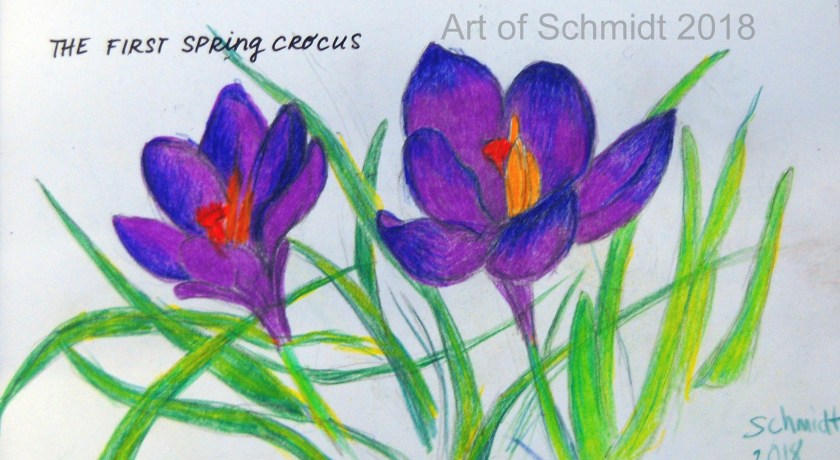
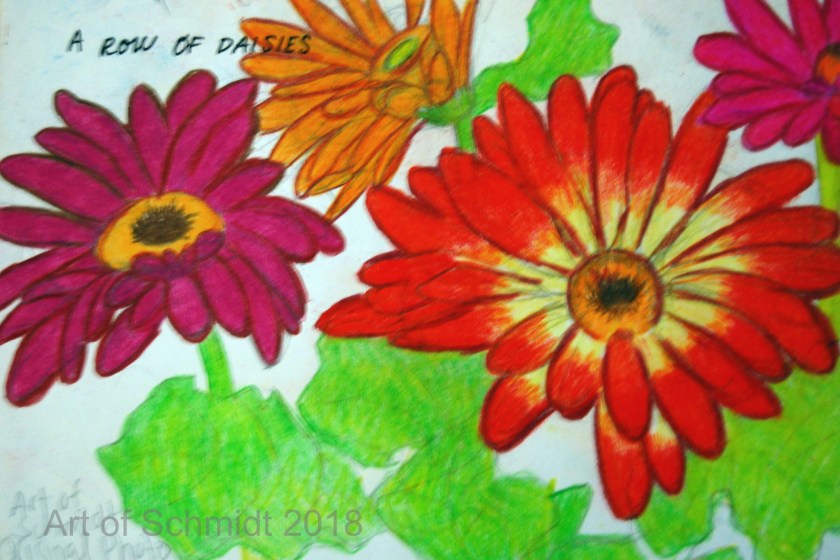
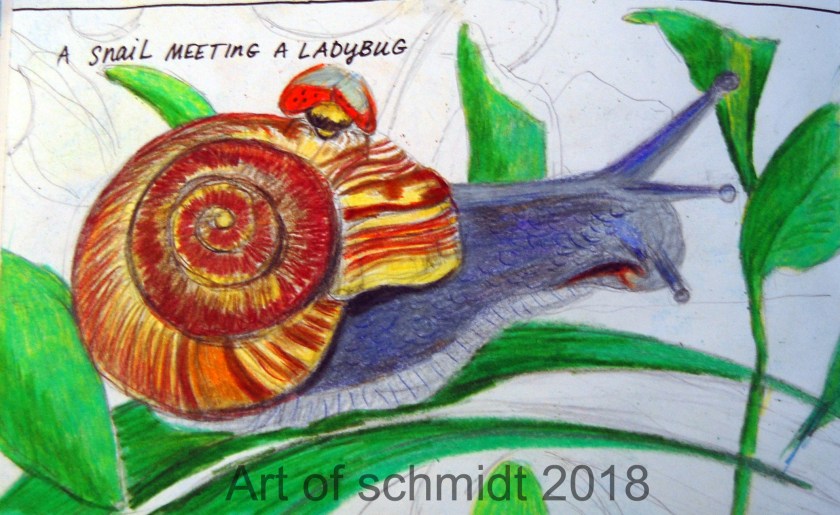
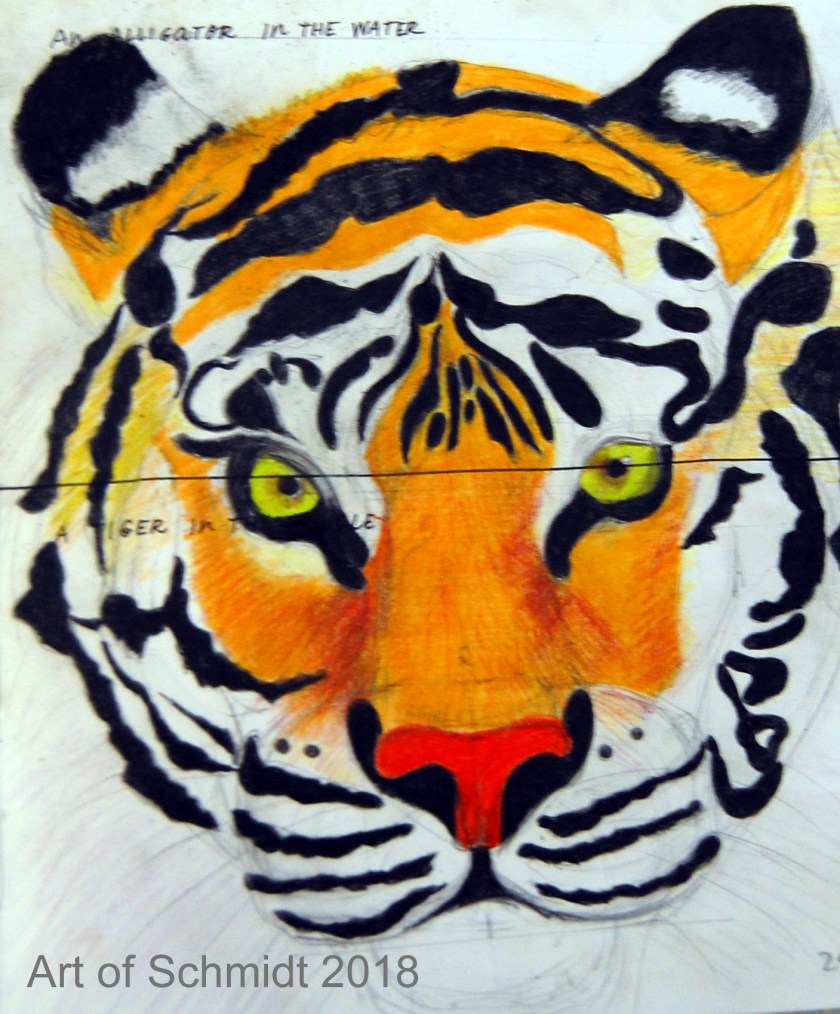
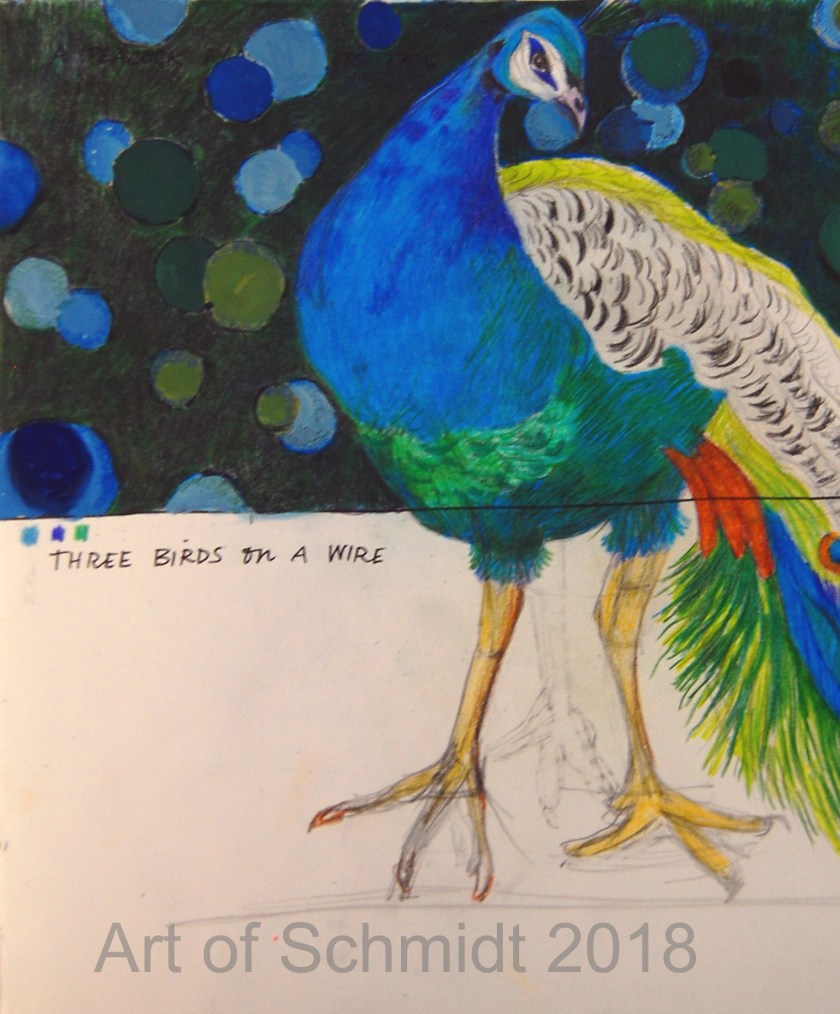
Meanwhile, I am trying to keep on keeping on with my weekly studio practice, working in my sketchbook at least on a weekly basis. My hope is that by keeping in practice with drawing it will remind me why I fell in love with making art in the first place. My themes from my sketchbook that I am showing you this week are animals and plants, kind of aproposfirst spring crocus, flatGerbera daisies, flatpeacock portrait, flatSnail and Ladybug, flatTiger portrait, flat since spring is supposed to be around the corner…They were drawn with pencil and Prismacolor Colored Pencils. Thank you for reading! I hope this speaks to someone out there who is struggling not to give up on their art.