I have taken a break from updating this site for personal reasons, but I am working on updating my ETSY shop now in preparation for an art fundraiser I want to host both online and offline this summer.
The proceeds from sales will help me to pay some unexpected medical bills and prolonged unemployment due to a fall which resulted in a broken femur and surgery. I am currently working on creating a post for another site, it will either be Go Fund Me, or Fundly where donors can make monetary contributions instead of purchasing art. A lot of people have aske dhow they can support me during this time, and these are two great ways to do just that. Stay tuned!
Please be aware that I am no longer offering custom art services. If you are interested in purchasing my art work, a limited supply of prints, mugs, etc. is available through my website Red Bubble: www.redbubble.com/people/jsjschmidt2017.
While its been fun to work on client art, I want to focus more on illustrating my personal vision in my artwork expressing my own thoughts and feelings. I very occasionally post on Facebook or Instagram from my sketchbook.
About a century ago (well I exaggerate a little); I was a college student studying art at McDaniel College in Westminster, MD. I had a brilliant and successful art teacher named Steve, who demonstrated how the practice of art making and the hatching of new ideas could be brought to life. He taught me many useful things, such as how to keep an art sketchbook pasted with photos of art work by artists I admired, and how to write about my art in a way that expressed my unique artistic voice. Above all, his most important advice was that I should draw every day. At the time, that task seemed quite difficult. I was always an inpatient artist as a student and I often rushed through the drawing stage to hurry up and get to the painting. Now that many years have passed since my graduation from McDaniel, I can truly see the wisdom of his advice.
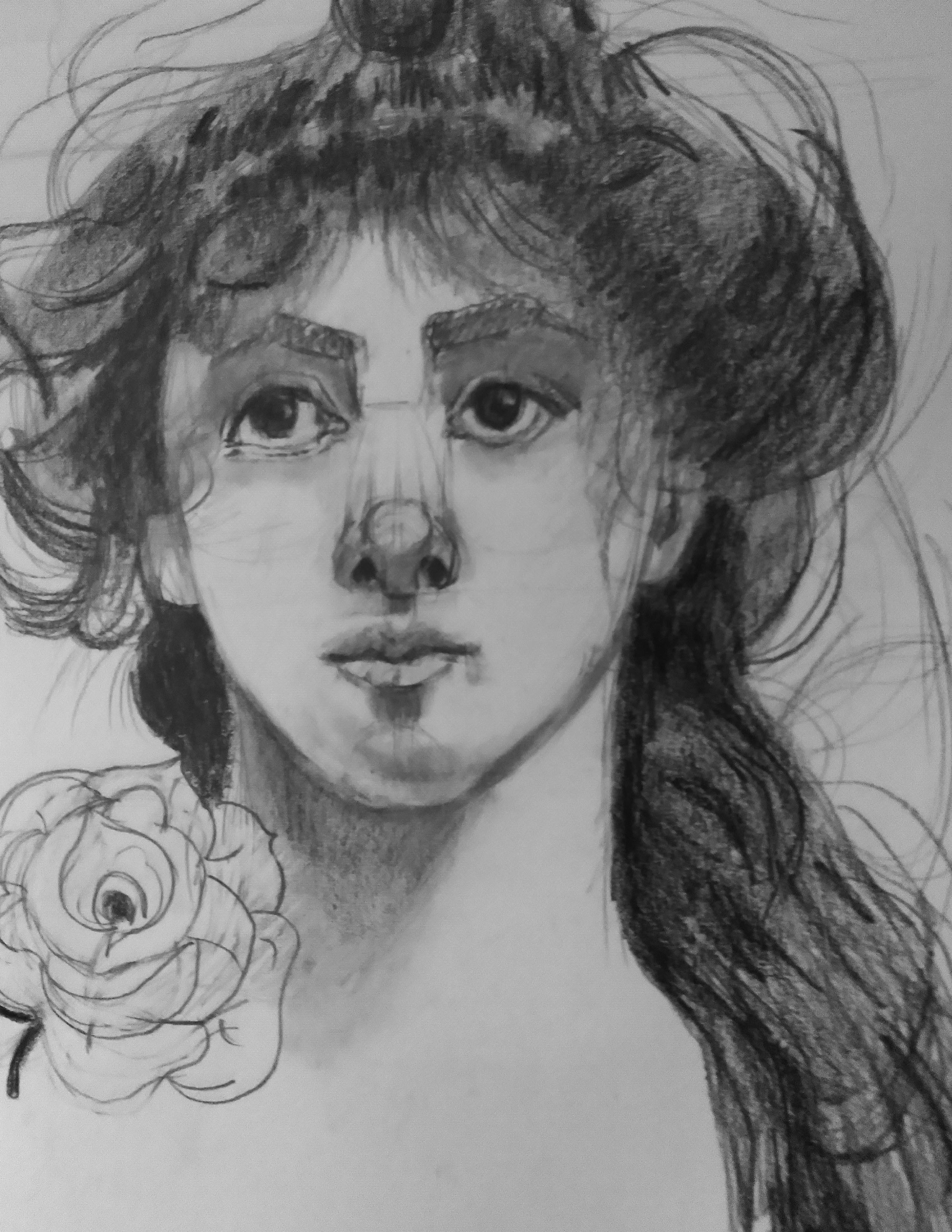
With hindsight, I realize that he was so right about drawing every day. I no longer rush art work and I have learned to love drawing, whether it becomes a painting or not. In fact, I have embraced his advice of a daily drawing habit and I have worked on several art challenges for both human portraiture and pet portraits on my Instagram account. One of these challenges is called 100 faces in 100 days, in which I drew a pre-selected photo of a celebrity using only pencil and paper. I did not add in a lot of detail or shading and I limited myself to 45 minutes a day.
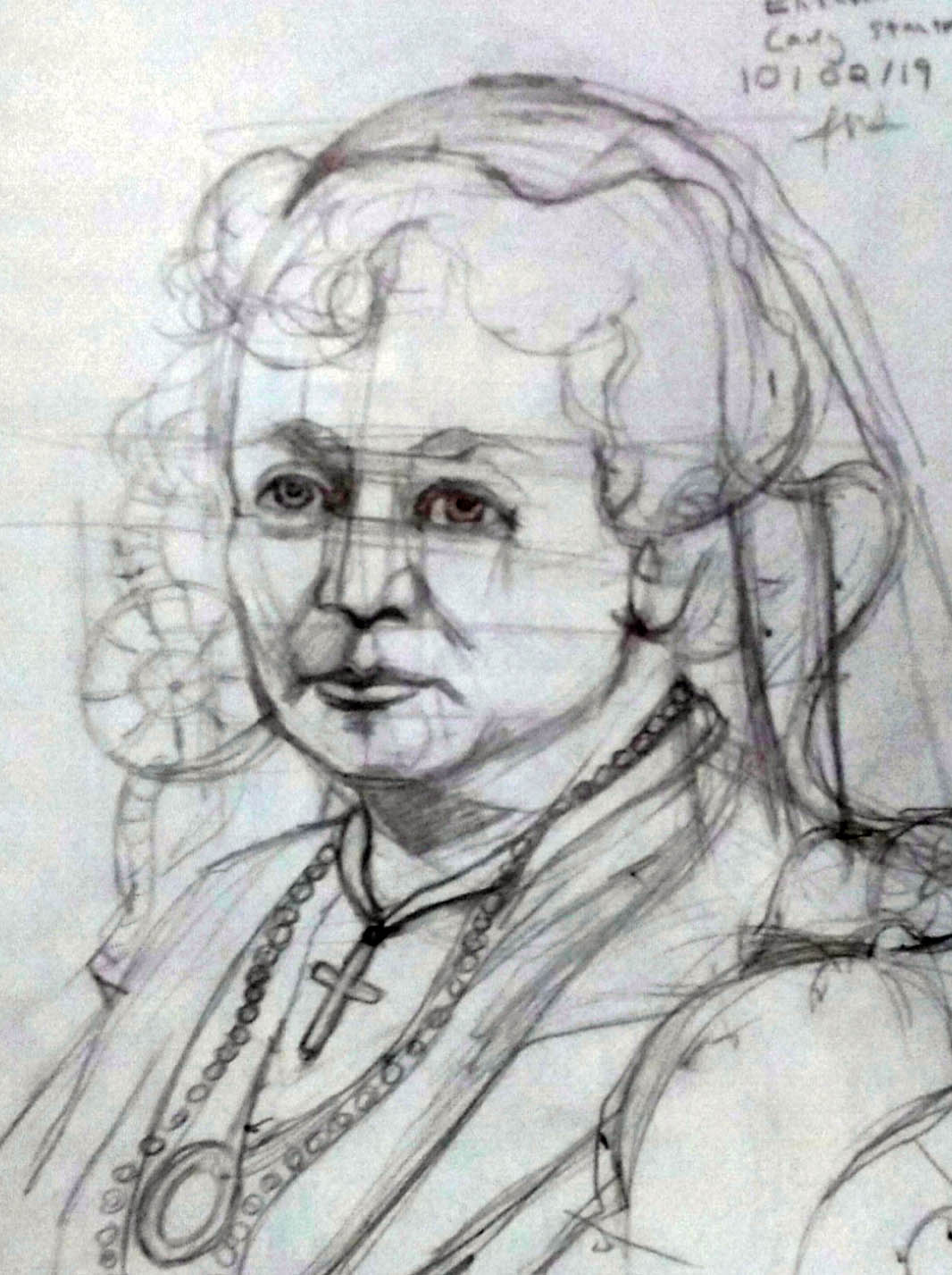
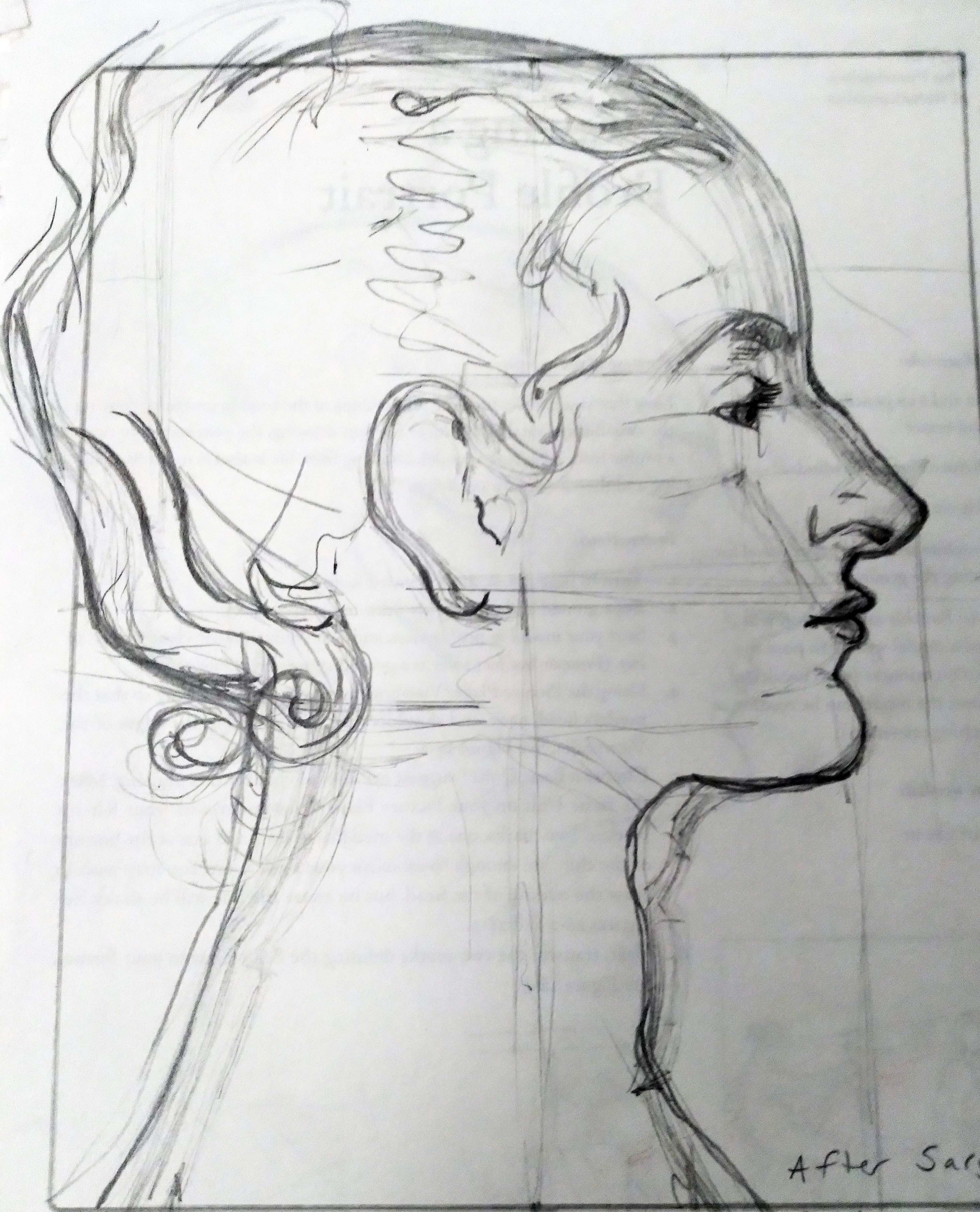
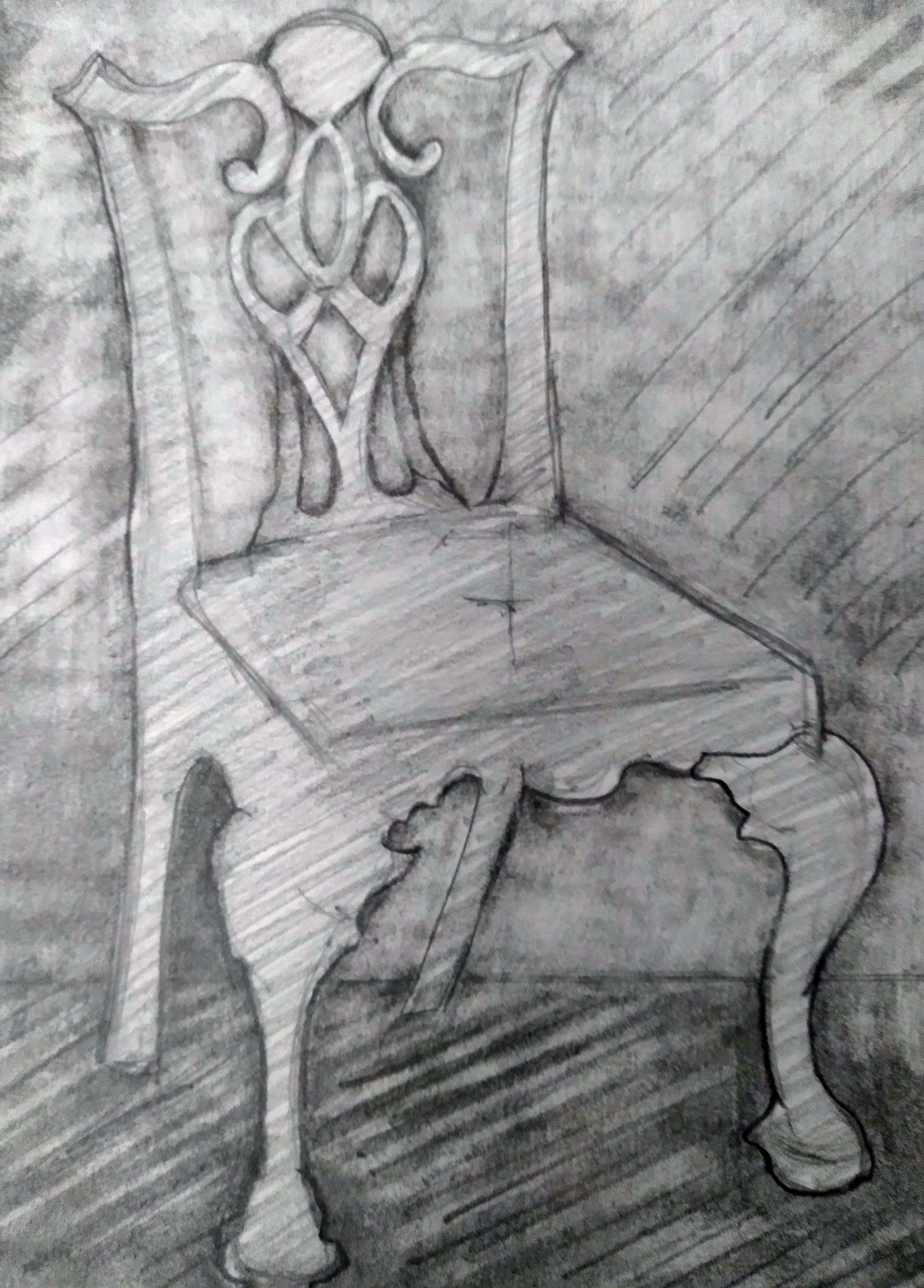
At present, I am struggling to carve out time for drawing. Sandwiched in between working, and other responsibilities, I am striving to make time at least 1x a week to draw. This time, I am focusing on making simple graphite sketches in my sketchbook, mostly portraits or figures.
The most important take away I can say about drawing and getting good at it, is that it really helps your art practice to flourish. For instance, once you have the drawing and composition mastered, you can enjoy the next step more fully, whether its collage, painting or some other art form such as graphic design or sculpture. With an accurate drawing, you won’t have to worry about continuing to fix it and can fully embrace your next steps.
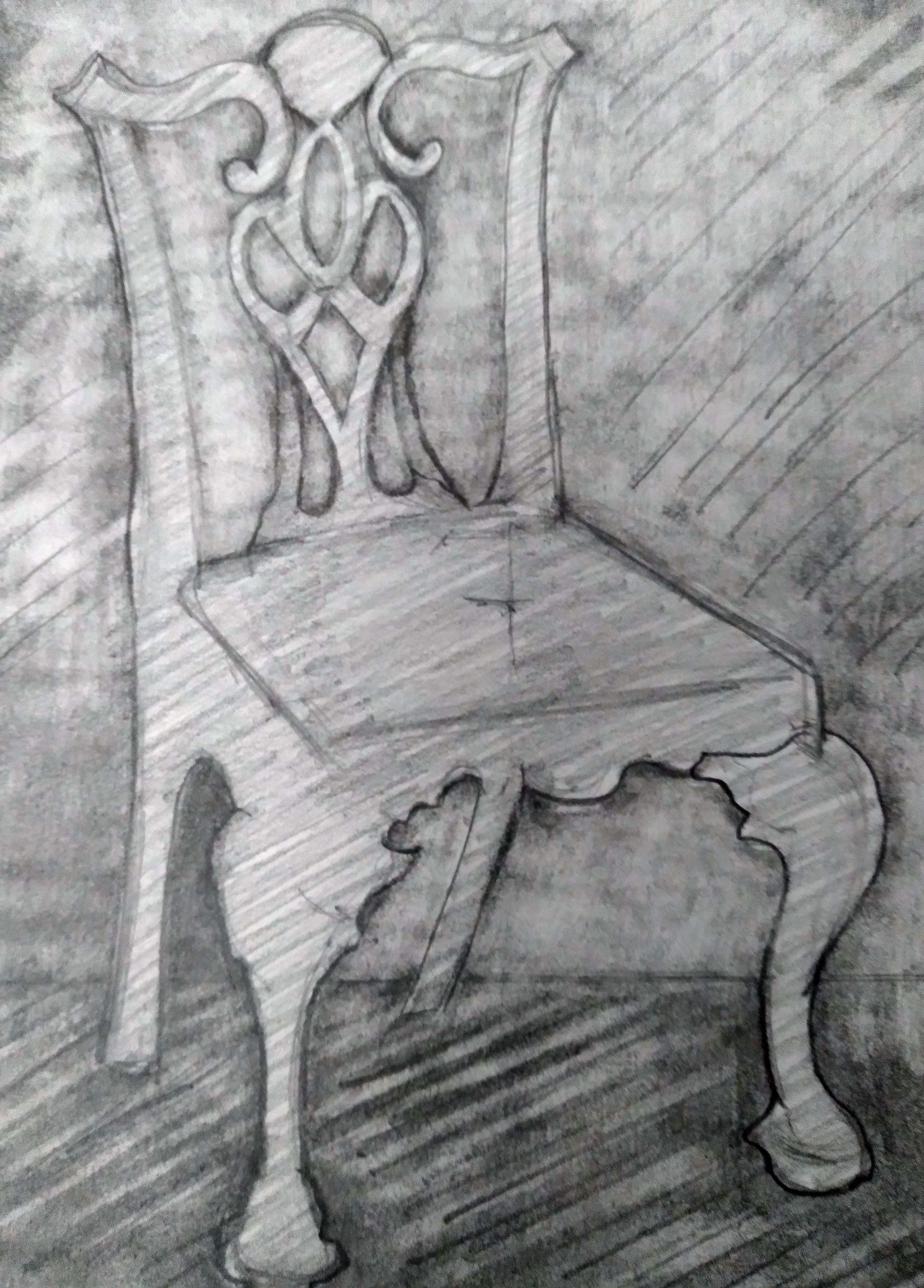
If you want to put this idea of drawing as a practice into effect, you are in luck! I will be teaching two drawing classes at Delaplaine Art Center this Fall. The first class, Drawing for the Absolute Beginner, is tailored on those who have never taken an art class, and need the basics such as shading, measuring, and drawing techniques such as contour and blind contour drawing.
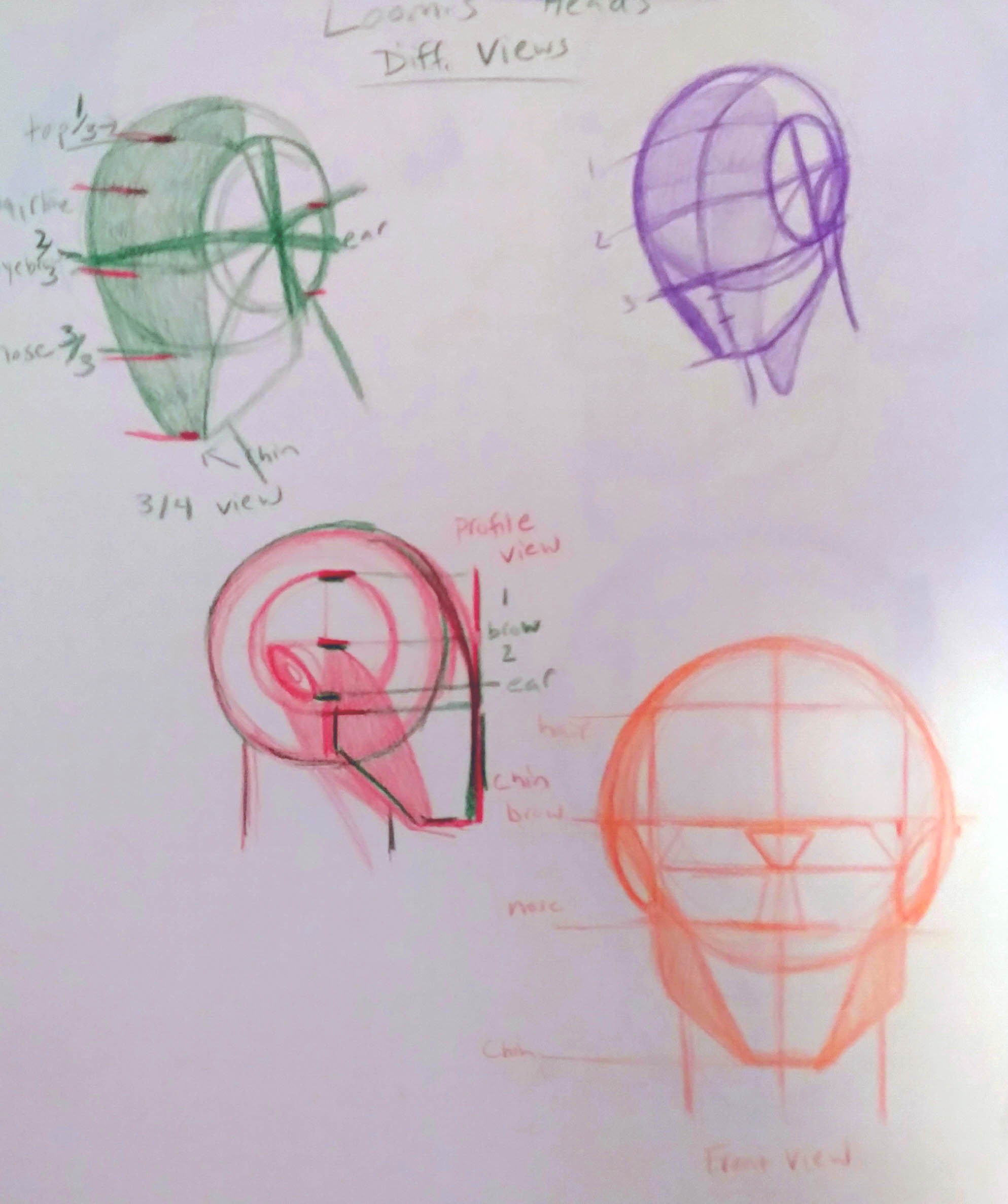
And the second class is for more seasoned artists who want to learn how to draw a portrait. This is a great class for those who have always wanted to draw portraits but don’t know where to start. I will teach you construction techniques such as using shapes to construct, the Loomis Method and anatomy to give you a solid foundation to build upon. Check out this links to learn more: https://delaplaine.org/class/?id=25-2-DR06(Drawing for the Absolute Beginner) and (Advanced Drawing: How to Build a Portrait):https://delaplaine.org/class/?id=25-2-DR07.
I wanted to share my latest art course news. This fall I will be teaching two art courses at the Delaplaine Art Center in Frederick, MD. Do you think you can’t draw? Take my beginner drawing course, Drawing for the Absolute Beginner, and challenge your assumptions! Drawing for the Absolute Beginner, will focus on basic drawing skills, inspired by the teachings of art teacher, Betty Edwards, and incorporate various drawing media, such as: pencil, charcoal, and ink. Class starts on 10/15/24 at the Delapaline Art Center, Frederick, MD.
Did you know that drawing is a learned skill, and that you can improve your skills with guided instruction and practice? Based on my experience as an artist and art teacher, I have learned that it really isn’t about talent, and there are specific skills which you can learn such as: drawing from photos, drawing from life, sighting, smooth shading and incorporating drawing templates like the Loomis method, to help you achieve more realistic results. Both of my courses, Drawing for the Absolute Beginner, and Advanced Drawing will explore these fundamental skills, and provide you with plenty of open studio time to practice what you learn. Step by step instruction will be provided, and constructive critiques are available upon request to help develop your skills.
Have you always wanted to draw portraits, but didn’t know where to begin? The other course, Advanced Drawing, is tailored for artists who want to advance their drawing skills, and will focus on techniques for drawing the portrait. Techniques including: the Loomis and Reilly method, will give you a frame work for constructing a portrait in a realistic style. I will provide you with the skills you need to draw in beginner level or advanced level, so there is a place for everyone!
Whichever course you choose, making art work in my class can bring peace, calm and creativity to your life. Make time for self care, meet other artists, and re-engage with your creativity! In one of my courses, a former student reports that: “Now I have many tools to use for practicing art!”
Tap the link below to learn more about my Beginner and Advanced Art Courses: http://www.delaplaine.org. Don’t wait, sign up today before classes fill up. Fall is one of the busiest seasons for art courses at the Delaplaine! If you wait, you might not be able to get a spot, and I only teach these courses two times a year.
I am excited to announce that I will be teaching a variety of art courses. These courses cover every art medium from acrylic painting to mixed media and even soft pastels!
There is truly something for everyone. I offer individual instruction in drawing and painting and even facilitate constructive critiques so that you can take your art to the next level. To learn more, visit: https://www.frederick.edu/class-schedules/downloads/ilr_spring_2023_schedule.aspx. It’s easy to sign up on the Frederick community college website!
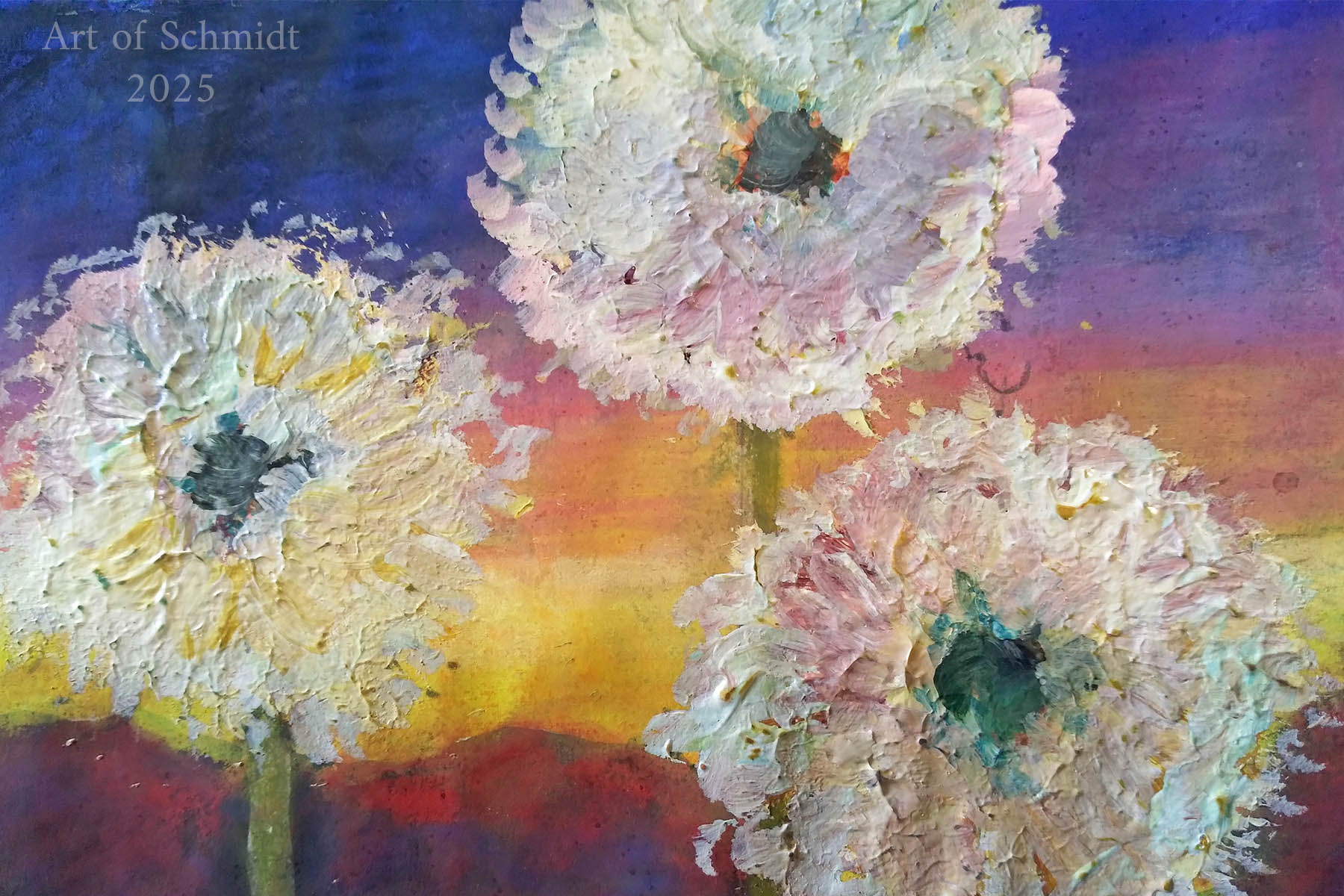
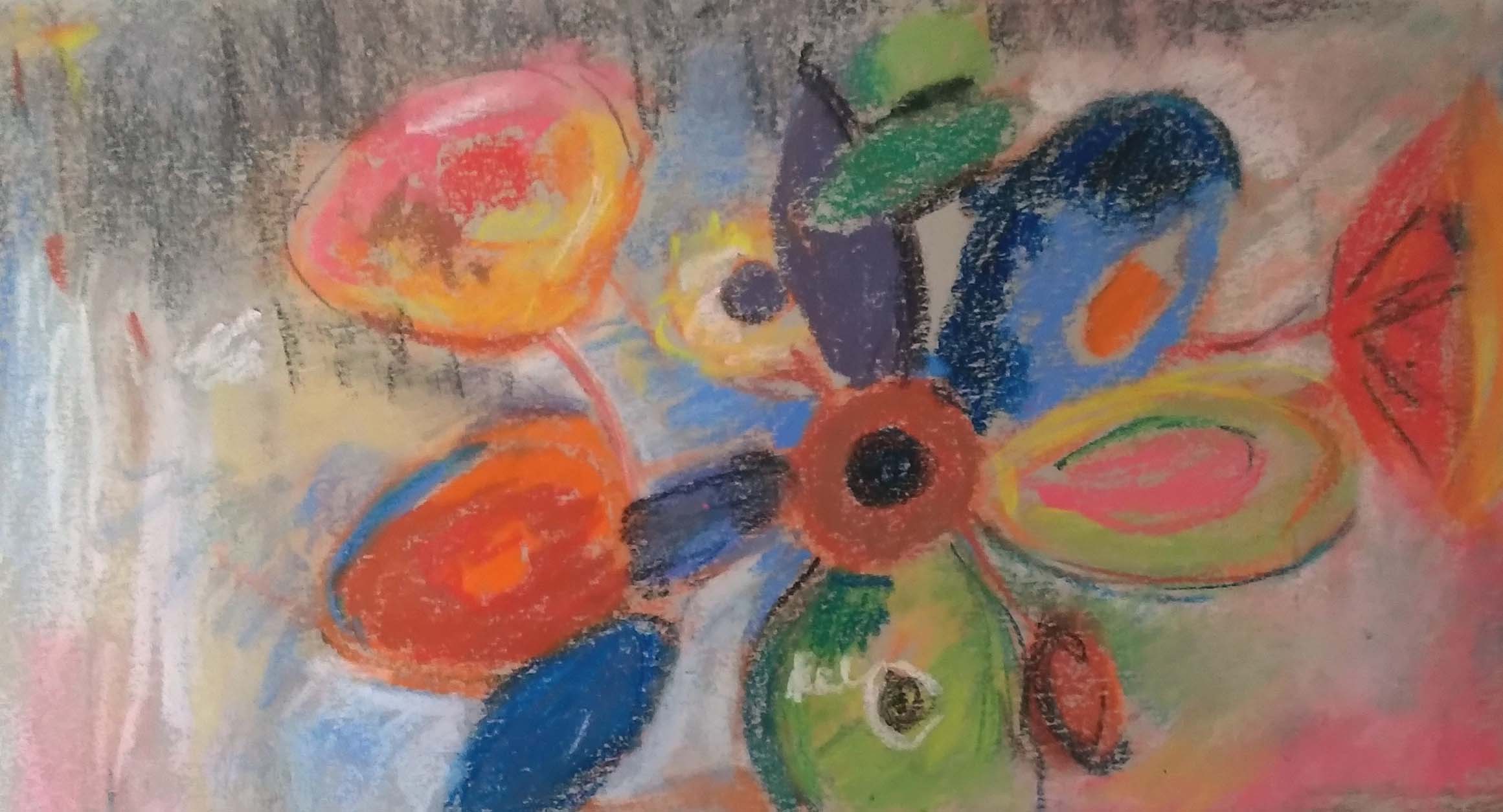
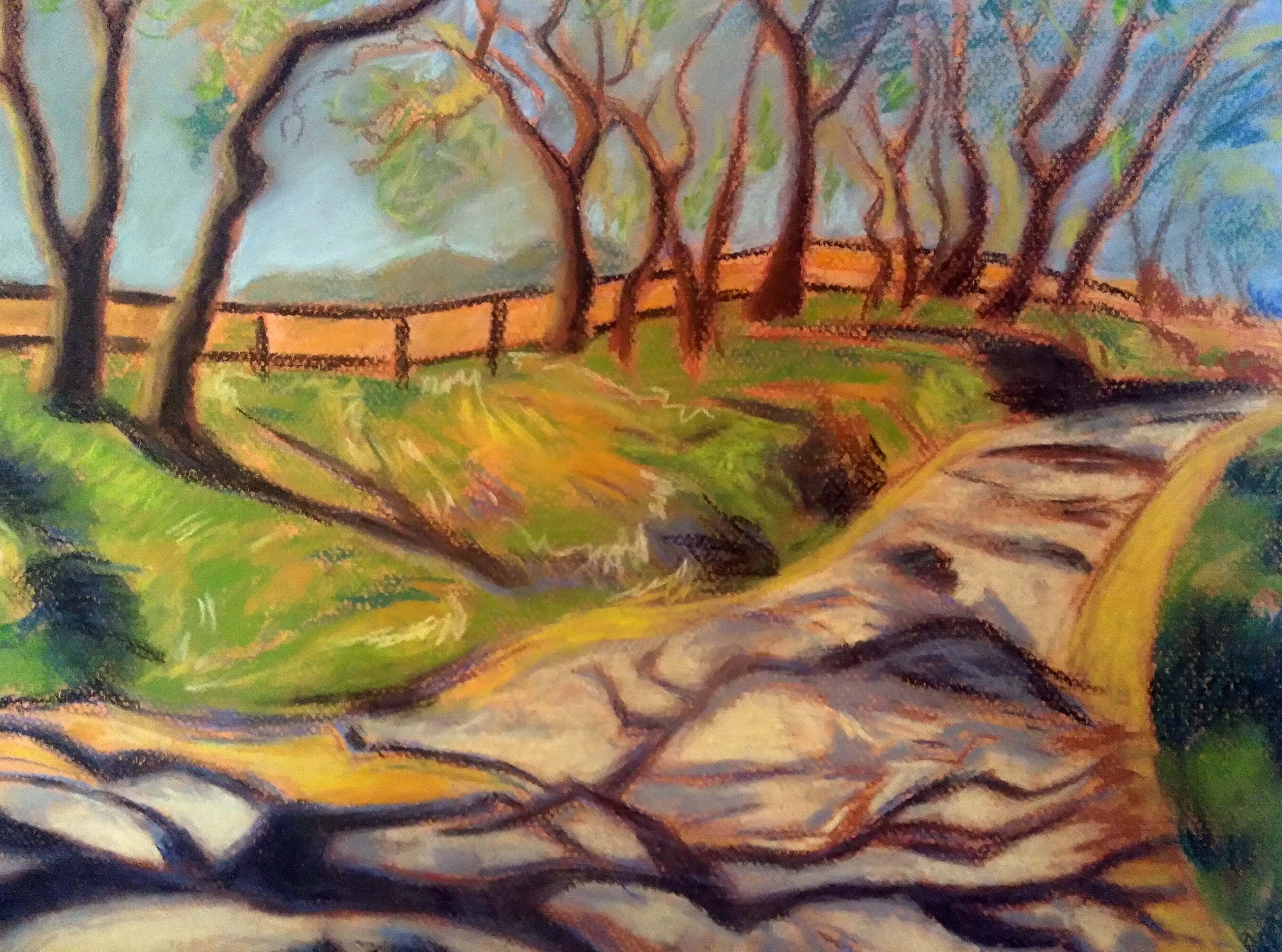
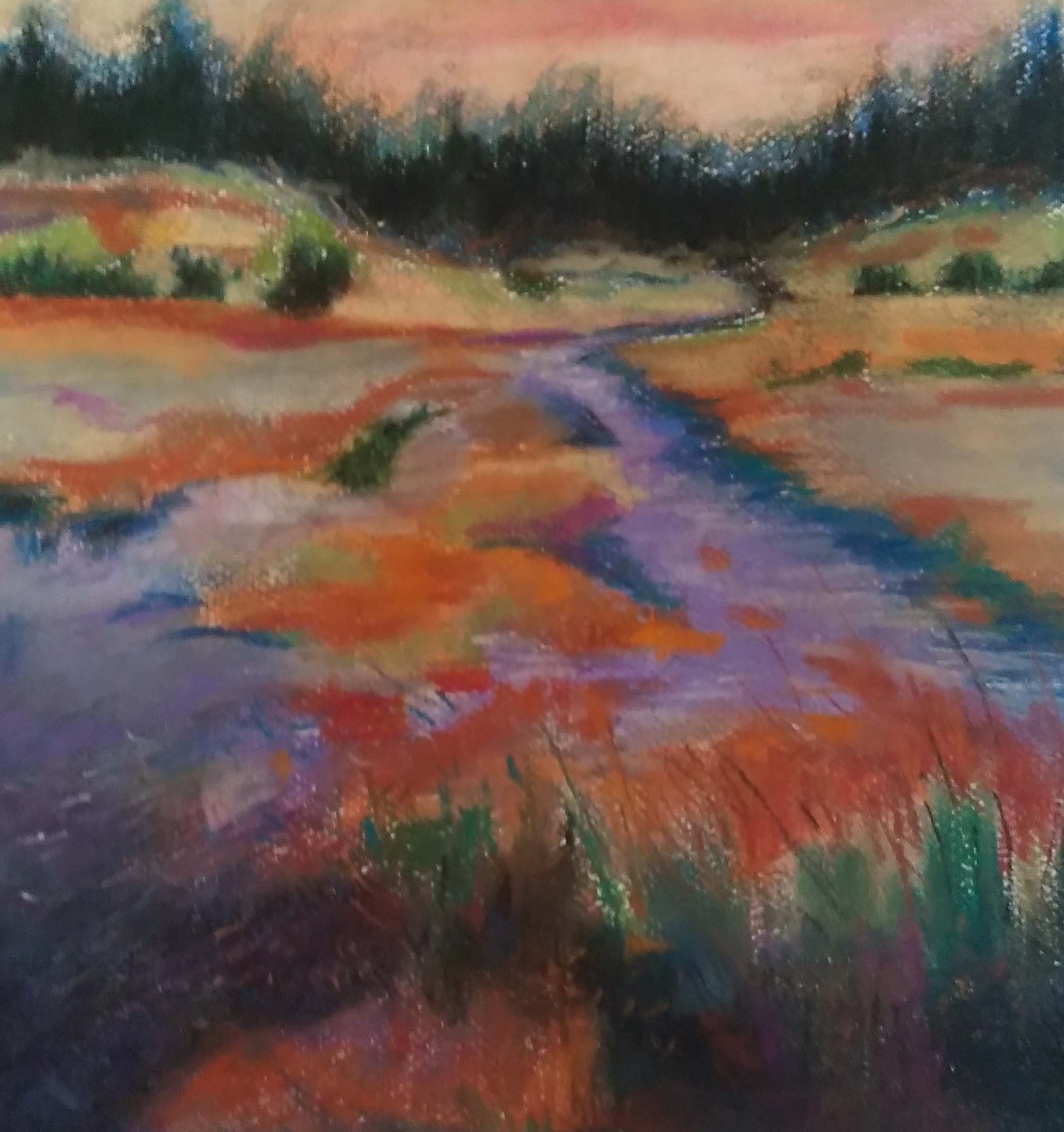
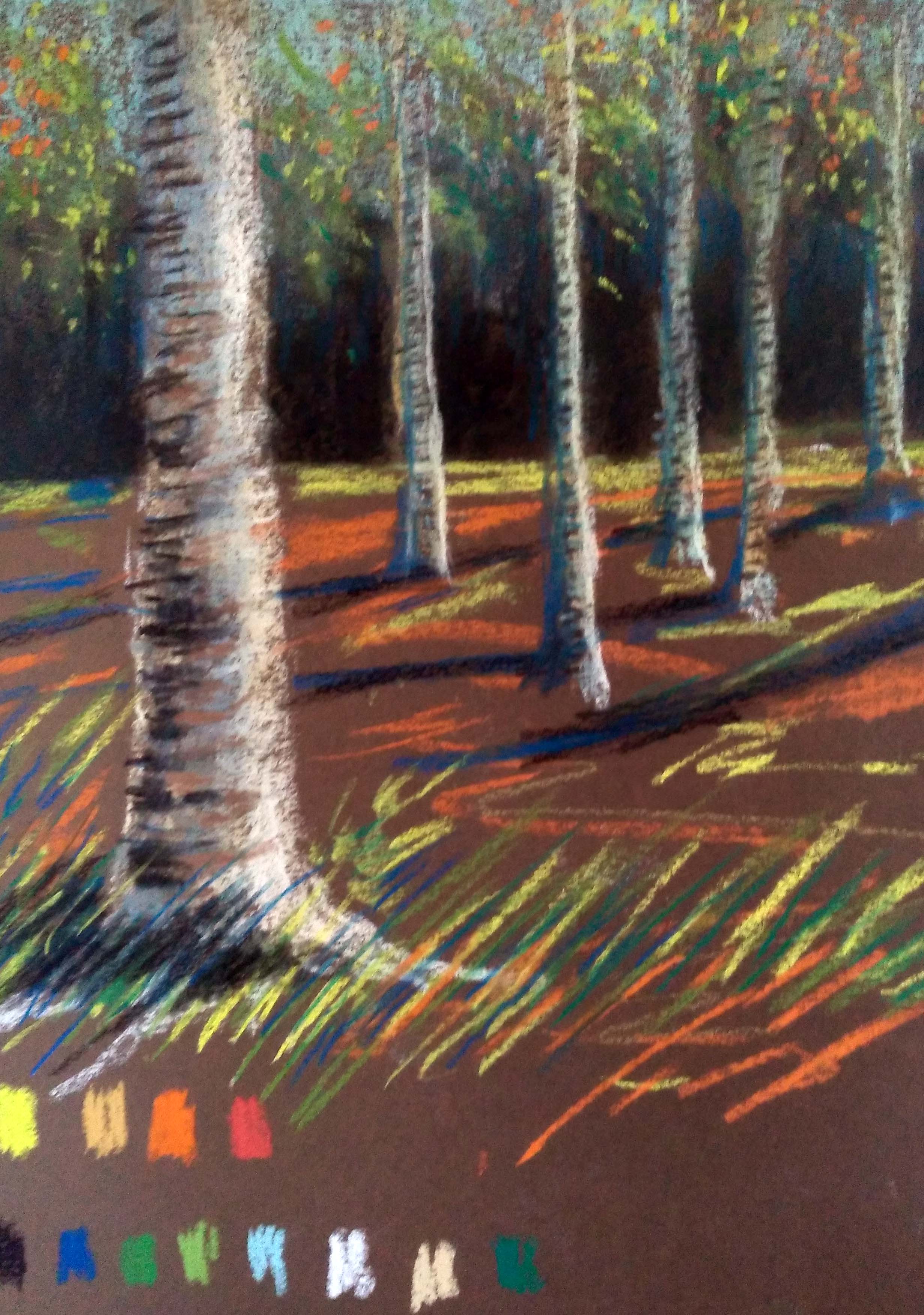
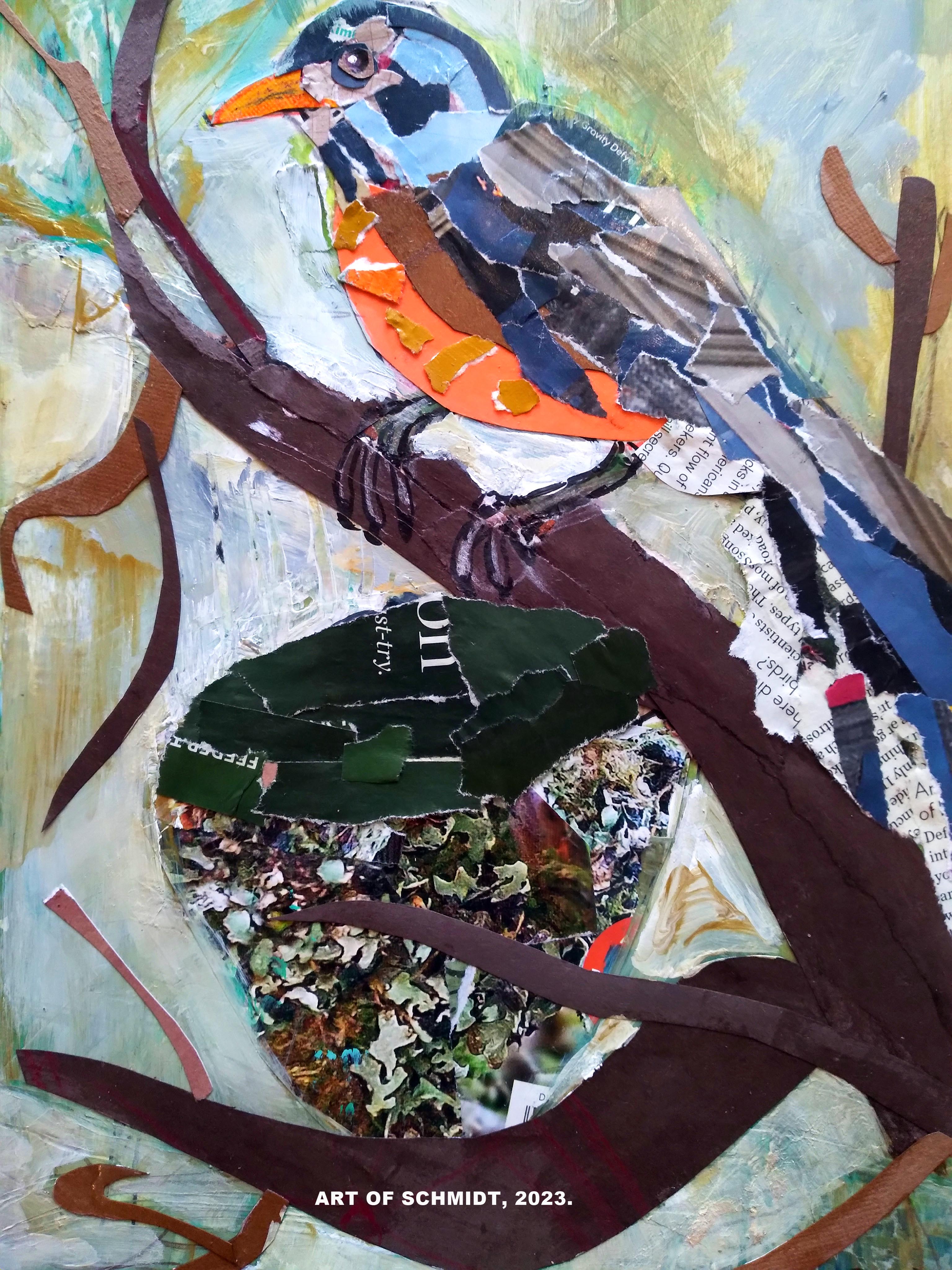
The courses I am teaching include ACR187 Continuing Pastels with Landscapes, and ACR181 Drawing and Painting: A Mixed Media Survey. Below are some samples of the projects from these courses, so you can get a sneak preview!
I am teaching a cornucopia of art courses at Frederick Community College in the Institute for Learning in Retirement department. These classes are short, and art is not graded like traditional credit courses. However, I teach the basic elements of art and offer group critiques, which are a vital part of credit art courses, so you get all the benefits of a credit course, without the grade.
They are perfect for those who want a short-term art course without a long time commitment. As a student, you will receive the benefit of my extensive art expertise as a student and art teacher, and receive constructive critiques, education in the basics of art, such as value, shape, color, etc., as well as individual art instruction. My courses will empower you to self-critique your own work and that of others, so that you can have the confidence to improve the quality of your artwork on your own. I offer a variety of mediums to choose from such as soft pastels, pencils, and mixed media!
Have you ever wondered why artwork is so expensive? It turns out that there are several valid reasons for this…To learn more, read on. I get asked variations on this question or overhear it in others’ conversations about purchasing artwork. While I sometimes inwardly bristle inwardly when hearing such remarks, because I am an artist who knows the inside story about how hard and expensive it is to make original artwork, I also want to give others the benefit of the doubt. I realize that others who do not have an art background may not be aware of the reasons why artwork has become so expensive, and in that spirit I am writing this blog post, to help them become more educated about the creative process.
What is the definition of art in our Modern times?
In our modern society of today where speed of execution seems to be often valued above quality, I think fine art is no longer viewed as a viable occupation, as it once was during the renaissance era when artists had a clear path to be trained by master artists and to be paid by wealthy patrons for their commissioned works. Instead, fine art has largely been replaced by applied art forms, such as graphic design, cinematography, animation, photography, fashion design, interior design, etc. However, I think that most artists have to support themselves by taking professions in the applied arts or pursuing some other occupation altogether to support their creative pursuits. Even in public schools, art is often seen as an “extra” subject, not quite as worthy of learning as other science, math, or technology-based courses, such as science, mathematics, engineering, etc. I also think that this attitude of art as “extra” may influence others’ perception of the value of art, not just in monetary terms, but also in terms of its capacity to enrich society and the next generation.
The Rareness of Art as a Profession
On the other hand, the somewhat recent learning model of the STEAM curriculum in the educational system is a promising development, in which educators and hopefully students, are learning about the interconnectedness of art amongst other disciplines, and therefore, its usefulness to society. There are however a minority of artists who are able to pursue their passion as entrepreneurs by selling their art or making a living through online teaching. But to return to the original point, why is the artwork a costly commodity, I am turning my attention to an article I read recently online entitled, Why is Artwork So Expensive? (The Top Ten Reasons),https://www.thecoldwire.com/why-are-paintings-so-expensive/, author unknown.
Why does artwork cost so much?
So, on to a few reasons why that artwork that you looked at in the art gallery or online via an art website was so darned expensive! According to the author of, Why is artwork so expensive? They state that because the artwork is one of a kind, it cannot be reproduced, even by the artist themselves because each brush stroke is unique.
Art is Original and Making it, is Expensive
Another reason to note the cost of the artwork is the cost of art supplies. As a working artist and teacher, I know that quality art supplies can be really expensive, whether I buy them at Michaels or an online art supplier. For example, my favorite medium of choice, which is working with oil paints, is the most expensive one of all, with lots of equipment, such as canvases, brushes, paints, palettes, paint mediums, easels, etc. Working from experience, I have learned that trying to save money by using cheap paint or other art supplies is often not worthwhile. Instead, it just makes my work that much harder. When I am doing custom art or making art for sale, I get the best possible art supplies that I can afford, and so I have to charge clients and customers more to make a return on my investment. I am committed to making my clients a quality product that will last.
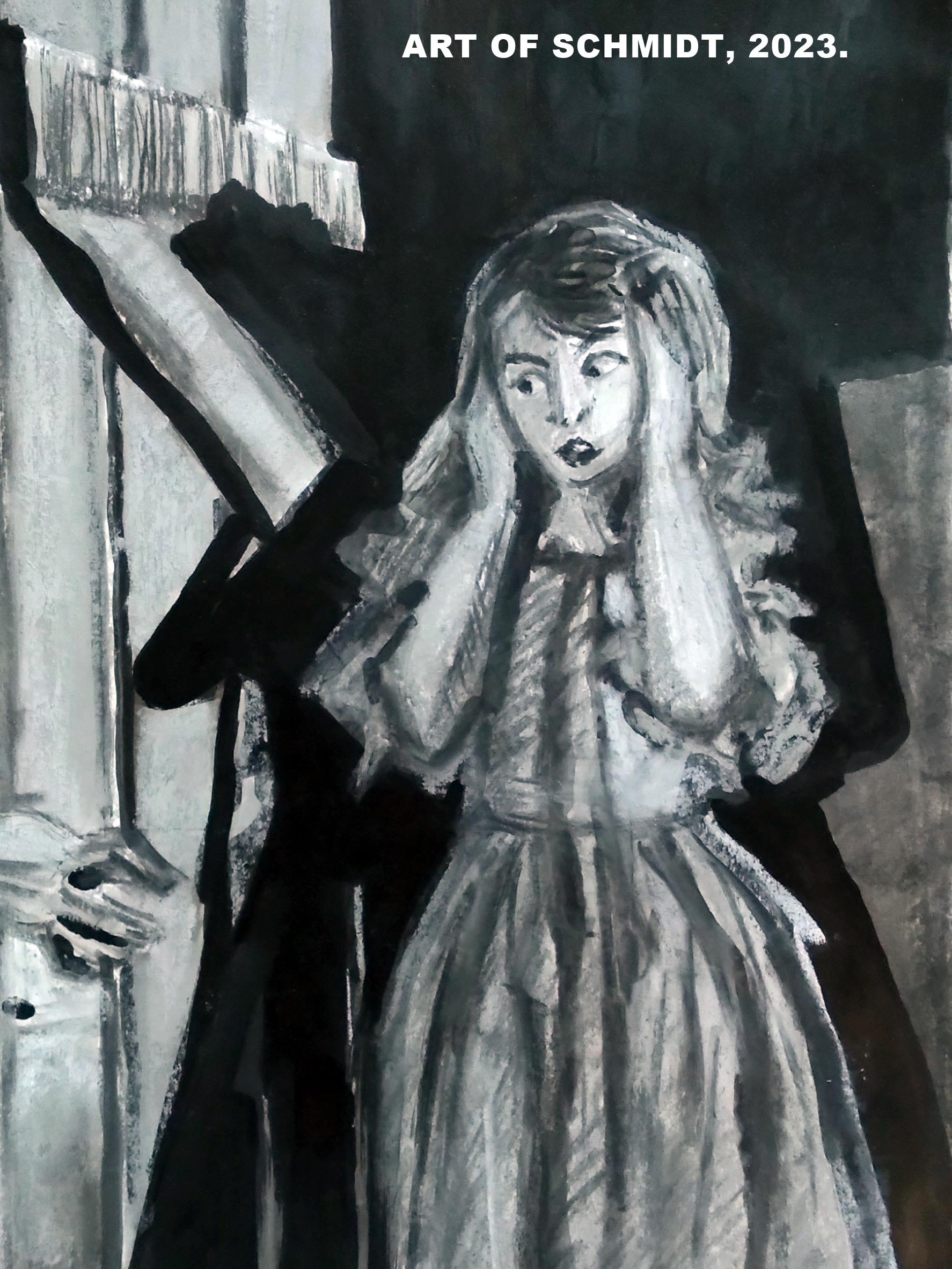
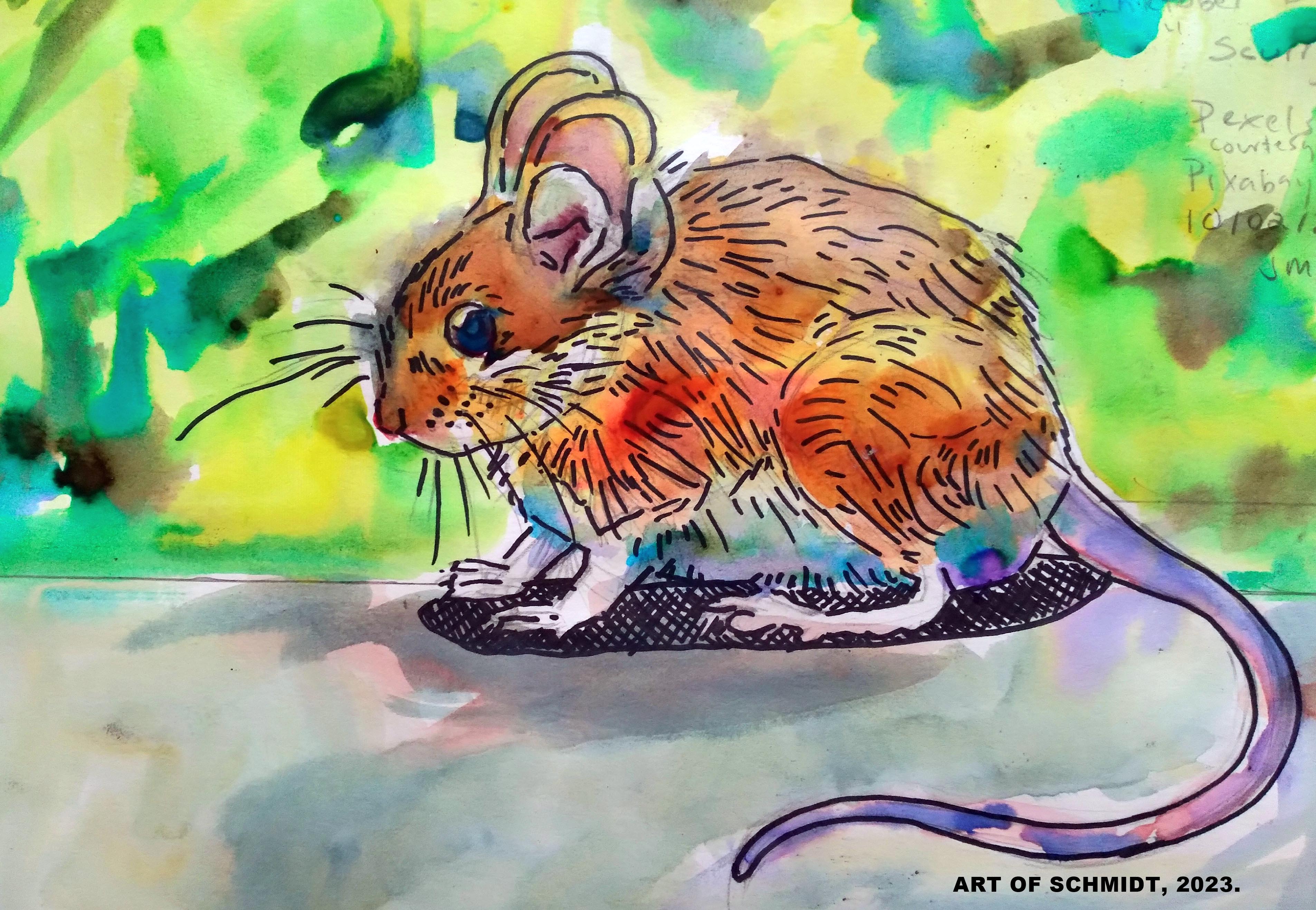
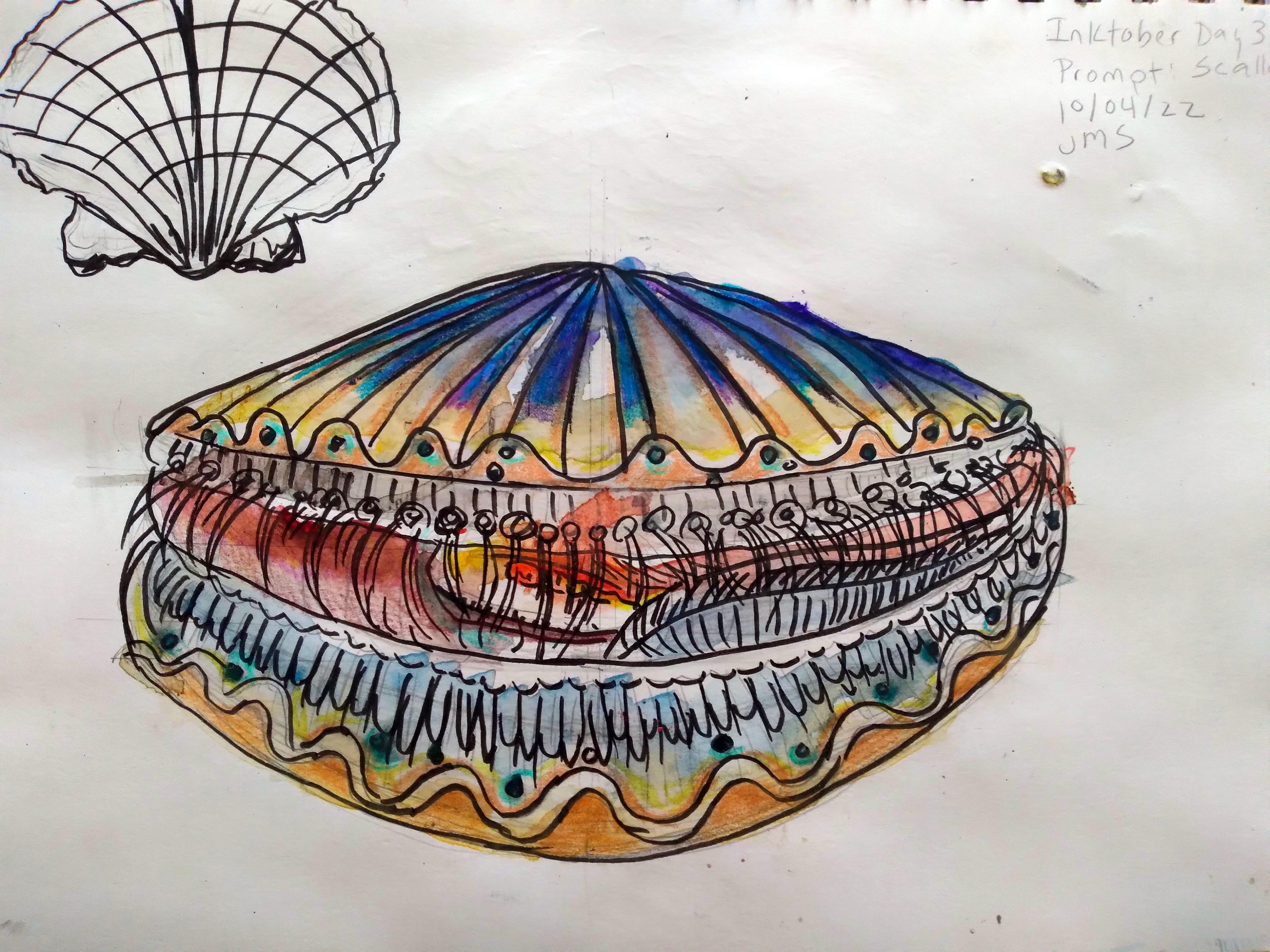
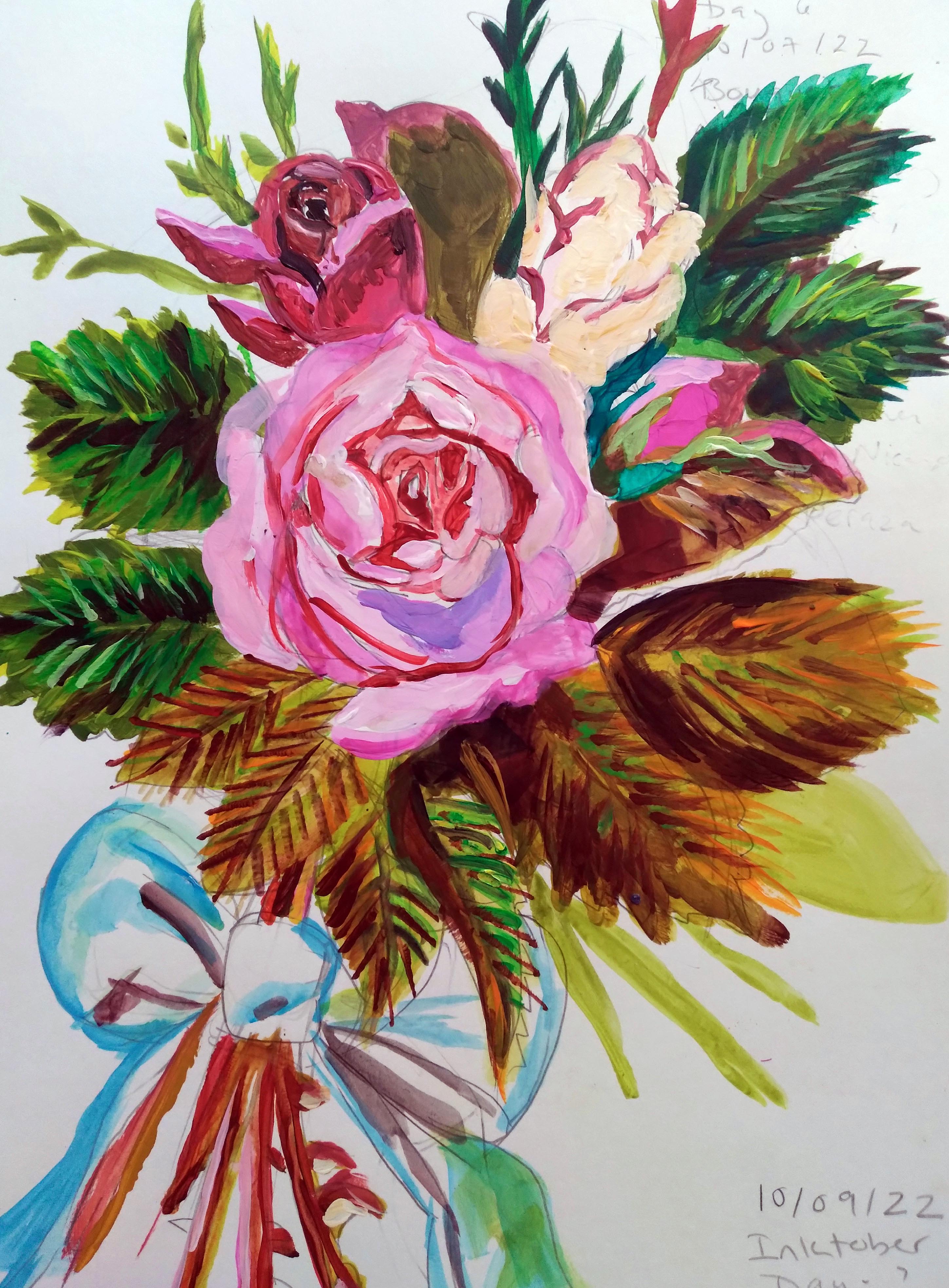
However, if I am just experimenting in my sketchbook with ideas, I will sometimes use cheaper products. But again, using better quality supplies is usually a more enjoyable art experience for me. Often, I work with cheaper brushes the hairs fall out and need to be replaced much sooner. And I have spent a lot of time picking out stray brush hairs from canvases or trying to work with cheap soft pastels that will not “stick” to the pastel paper. In this instance, paying additional money for quality soft pastels, such as Rembrandts, is worth it over saving a few dollars with cheaper brands, such as off-label art products like Artist’s Loft. Or, I used the wrong kind of paper for watercolor or ink, and it ended up buckling or pilling my watercolor or ink drawing. All this to say, sometimes saving money is not worth it, and that is just one of the reasons why art is so expensive. As artists, we have to charge more to get a return for our investment, just like any other professional craftsperson, such as a contractor, interior designer, fashion designer, etc. That’s it for today, but next week I will review a few other reasons for the high cost of the artwork. On the subject of artwork, I am featuring some highlights from my Inktober challenge for 2022 that I worked on last fall. Enjoy and thanks for stopping by!
Are you in a creative slump or want to try out other forms of art media? Then, my course, Drawing, and Painting: A Mixed Media survey is the perfect fit for you! To learn more about this wonderful course, visit https://www.frederick.edu/. Go to the schedules link and select, ILR Fall Schedule 2022 to view a detailed description about this course.
In this course, I will provide you with detailed art demonstrations, with different art media provided each week. We will draw and paint our way through different art styles such as Impressionism, and even abstraction. The wide variety of art media and styles will stimulate your creativity, and provide a space for you to create in a judgment-free learning environment. Beginners and seasoned artists are welcome, no experience is necessary, although some experience with drawing or painting can be helpful. This is an in-person, noncredit course at Frederick Community College.
















 Art of Schmidt