Join me for a chance to relax and be creative at Frederick Community College this May and June. I will be teaching noncredit courses, so there is no pressure to earn a grade or do homework, however, I teach it like a college class so you get to learn some of the critical fundamentals of art such as color, line, and value. To learn more, visit: https://www.frederick.edu/class-schedules/downloads/ilr_spring_2023_schedule.aspx. My Continuing Pastels course starts on 5/5. Sign up today to reserve your spot!
Or, if that doesn’t work with your schedule I am also teaching a mixed media course entitled, Drawing and Painting: A Mixed Media Survey on 6/15, also at Frederick Community College. You can sign up for this course at the above link.
This summer I am teaching two great art courses at the Delaplaine Art Center in Frederick, MD! The first course begins on June 22nd, and it’s called, Drawing into Calm: A mixed media survey course. In this course, you will learn how to work in a variety of media from watercolor and pen to acrylic and pastel. We will explore which media are compatible, such as watercolor and ink pen, and gain inspiration from a variety of famous artists, such as Monet, Paul Klee, and Odilon Redon, among others! It’s a course that is perfect for beginner artists and will explore both drawing demonstrations and painting demonstrations, as well as collages. If you want to try new media or love art history, this might be the perfect course for you! Visit the Delaplaine website at: https://delaplaine.org/, to register or learn more.
The other course I am teaching is called, Continuing Landscapes in Pastel, and it’s perfect for experienced pastel artists who would like to learn more about color and value in the context of the four seasons. This course is geared toward more experienced artists who have some drawing experience. The four seasons, summer, autumn, winter, and spring will provide a context for exploring the elements of art, value, and color, such as using cool colors like blue or violet to depict snow, and warmer color palettes to illustrate fall foliage. Both courses are designed for adults. To learn more, visit https://delaplaine.org/instruction/classes-workshops/.
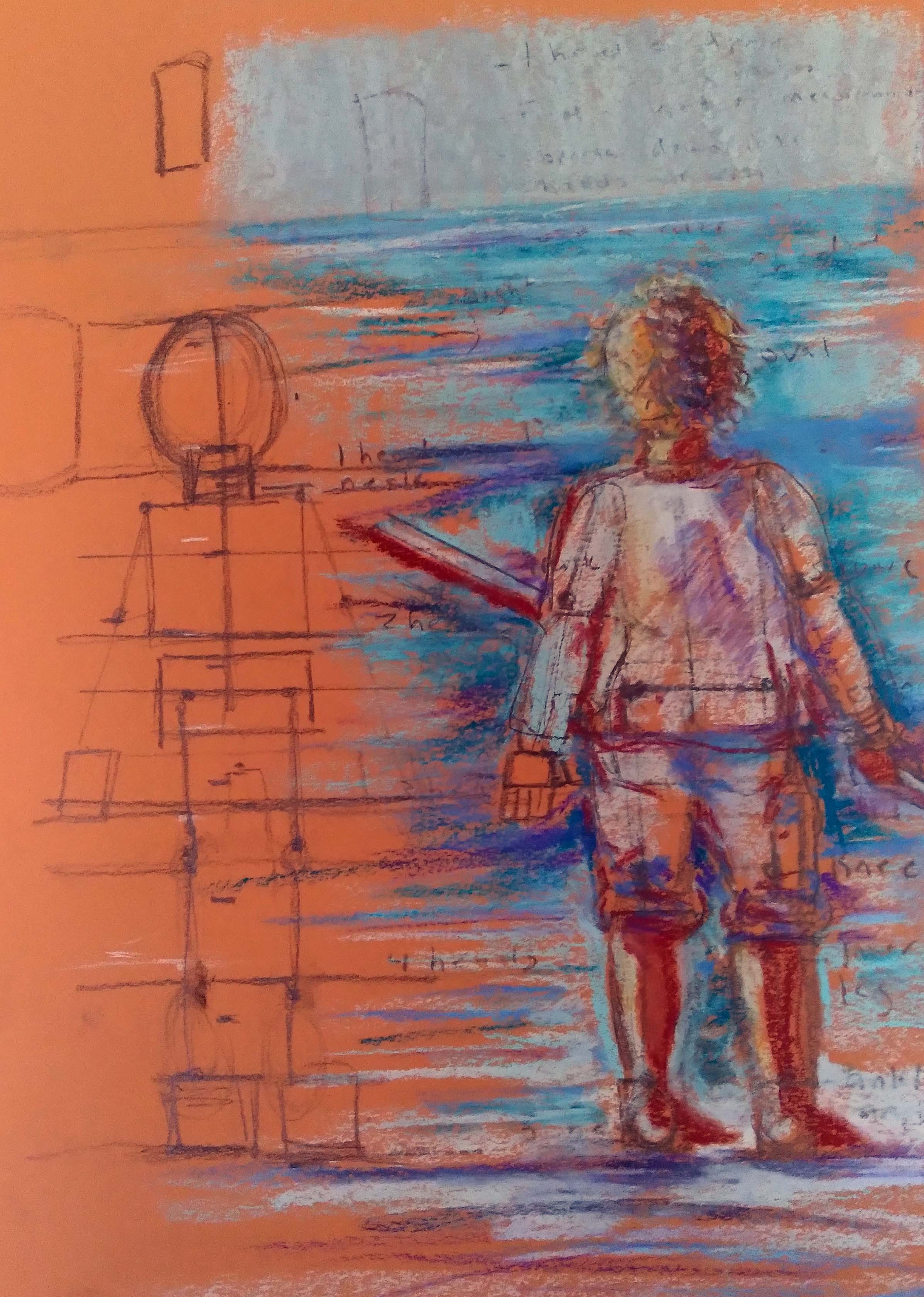
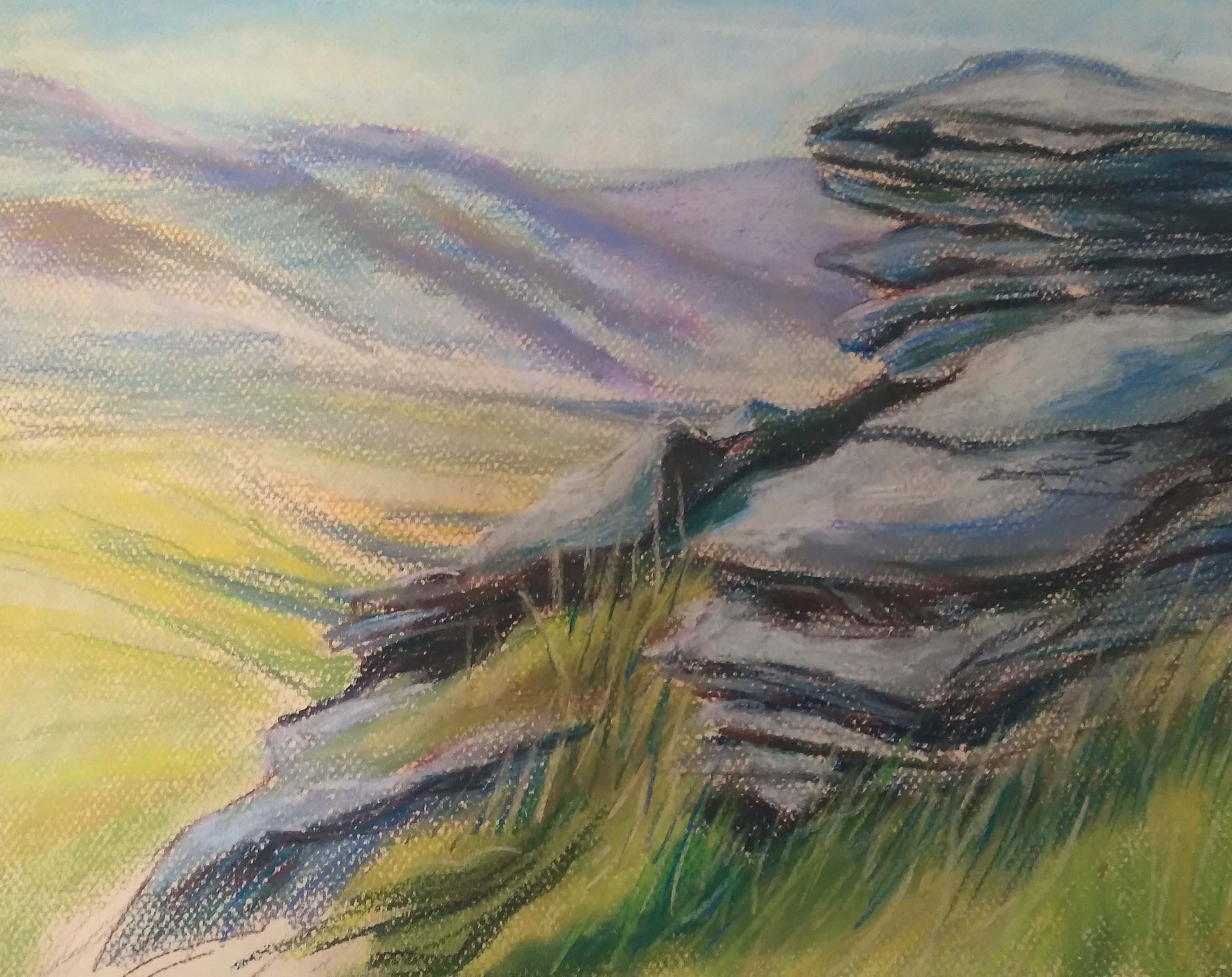
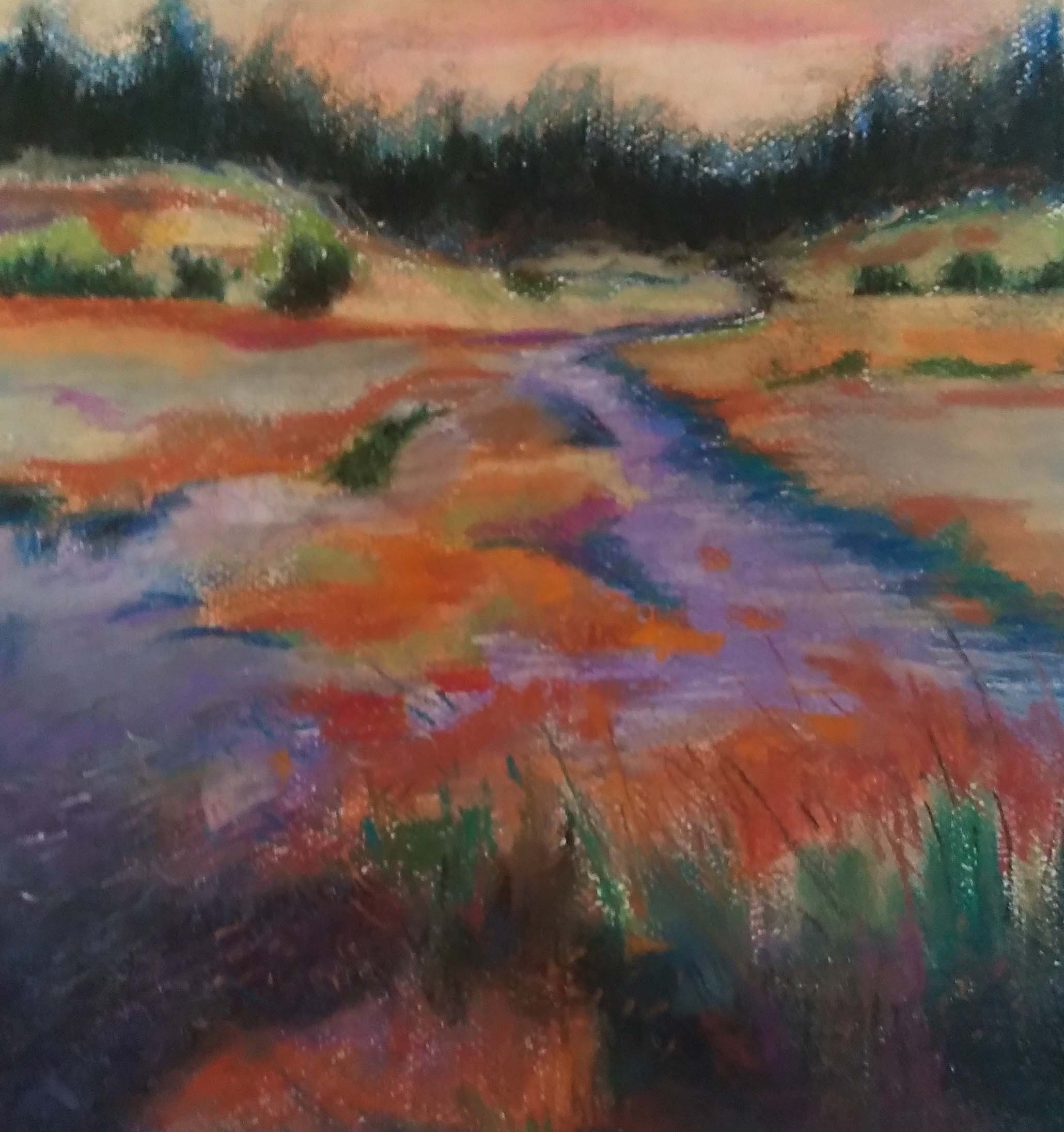
Harmonizing on a Line, Mixed media collage, Jodie Schmidt, 2022. Mixed Media Cow Collage, Mixed Media: torn papers, metallic wrapper, painted papers, watercolor, crayon, ink, and colored pencils, Jodie Schmidt, 2022.Odilon Redon Knock off, Pastel on paper, Jodie Schmidt, 2022. Pizza Painting, Acrylic Paint on canvas board, Jodie Schmidt, 2022. Mosaic Magazine Collage: Grand Canyon, Magazine papers, and pastel on paper, 2022, Jodie Schmidt.Child at the Beach, Pastel on paper, Jodie Schmidt after Rebecca Le Mendonca, 2022.Creating Depth, Jodie Schmidt after Marla Bagetta, Pastel on paper, Jodie Schmidt, 2022. Rocky Tor, Jodie Schmidt after Rebecca Le Mendonca, Pastel on paper, 2020.The Birches, Jodie Schmidt after Rebecca Le Mendonca, Pastel on paper, 2022.
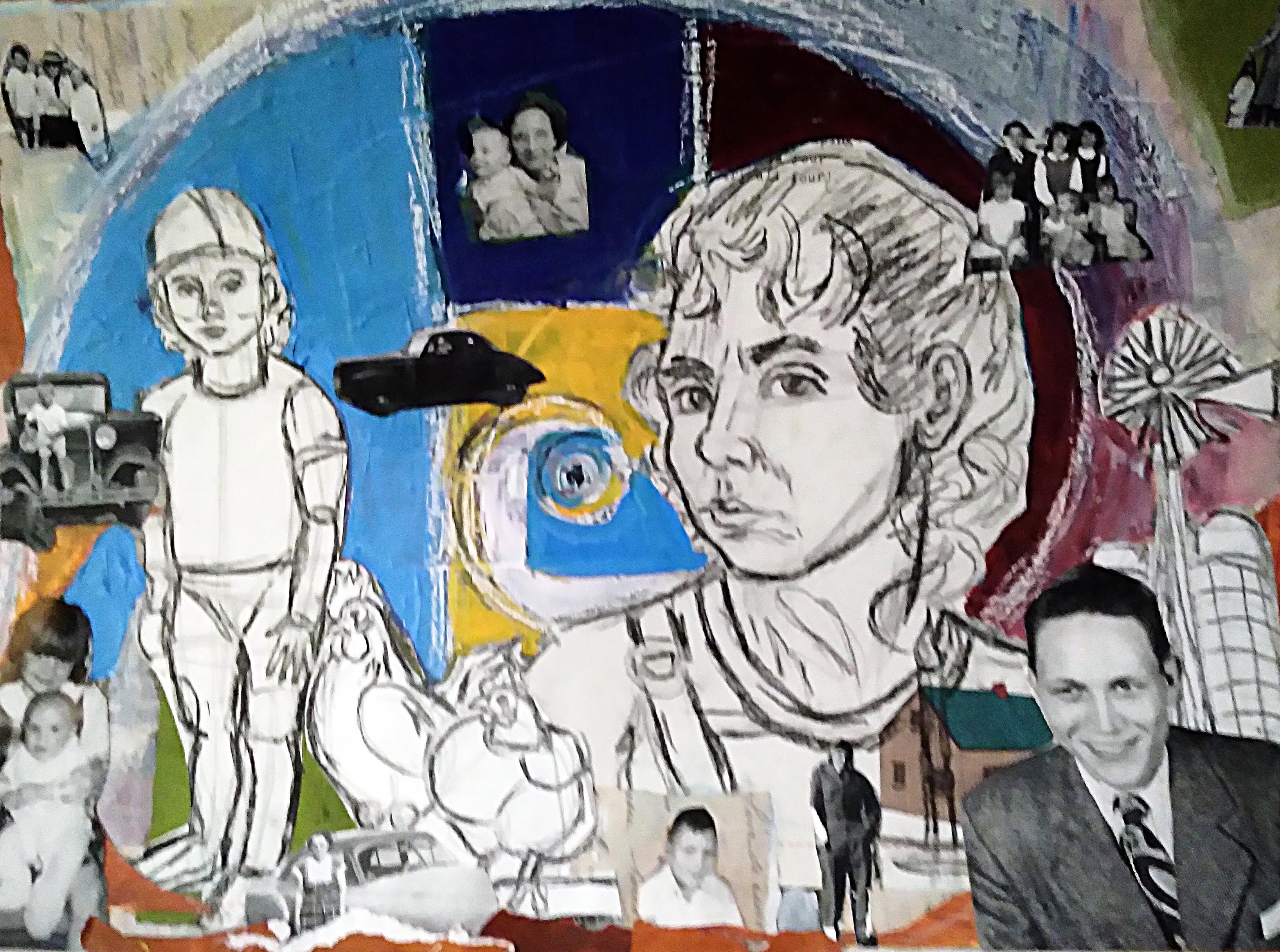
Do you have an interest in telling your family history through mixed media collage art? I have just the course for you! It’s called, Your Family Story through Collage art and will begin on May 4th from 6-8pm at the Adams County Arts Council in Gettysbn. Take your artwork to the next level and create content-based work that tells a story, using a variety of media such as photography from your family collection, old drawings, card stock, acrylic paint, charcoal, and more! We will upcycle old sketches from your sketchbook to create new and unique artwork! Click here to learn more: https://www.adamsarts.org/portfolio-item/your-family-story-through-collage-art/.
The good news is that my art courses at the Delaplaine are filling up! And, the good news for you is that there are a few more spots left! The three courses I will be teaching are Classic Drawing, a beginner drawing course, Drawing into Calm: A Mixed Media survey course, and Landscapes in Pastel: The Four Seasons.
The drawing course is great for those who have always wanted to draw but did not know where to begin, and I will teach you four different drawing modalities such as contour drawing, and using shapes to construct forms. With so many options, you are bound to find a method that brings you excellent results!
The next two courses, Drawing into Calm and Continuing Landscapes are a bit more advanced. In the former, we will study a variety of different art media such s watercolor, pastel, collage, and much more! It’s a veritable buffet of art media to try each week with lessons on collage and painting with subject matter that includes, animals and landscape. You will learn what media works best together in combinations that you wouldn’t have imagined, such as wax resist and collage!
And in the course of the landscape, we will explore a variety of light and color effects such as filtered light to imitate the qualities of the four seasons, such as spring, summer, fall, and winter! Soft pastel is perfect for those who love to paint, but don’t want to wait for it to dry! The elements of art, such as color, shape, form, and value will inform each lesson, and you’ll learn valuable skills such as how to mix colors to get the exact color you want! To learn more, visit https://delaplaine.org/instruction/classes-workshops/. Thanks for stopping by!
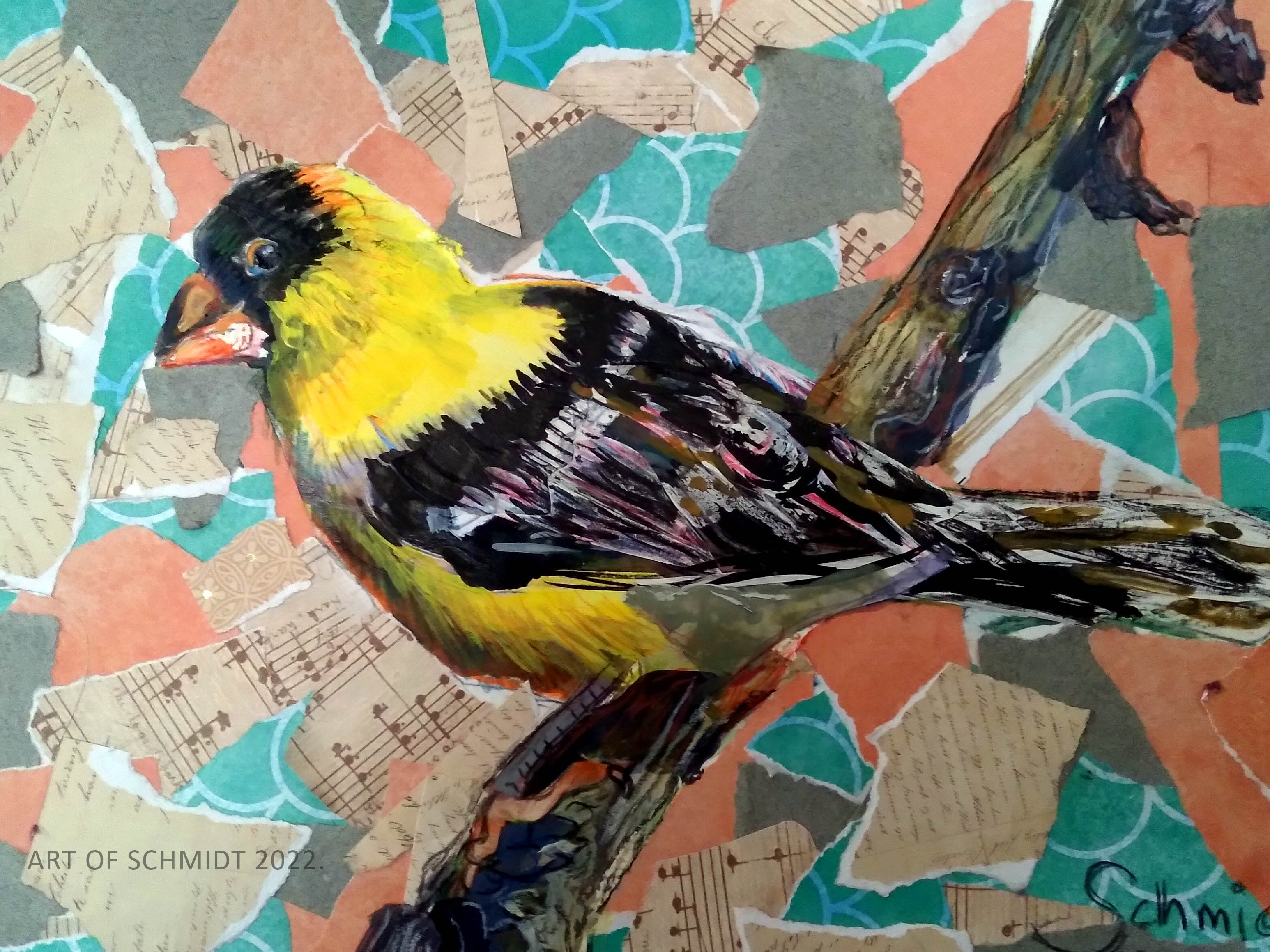
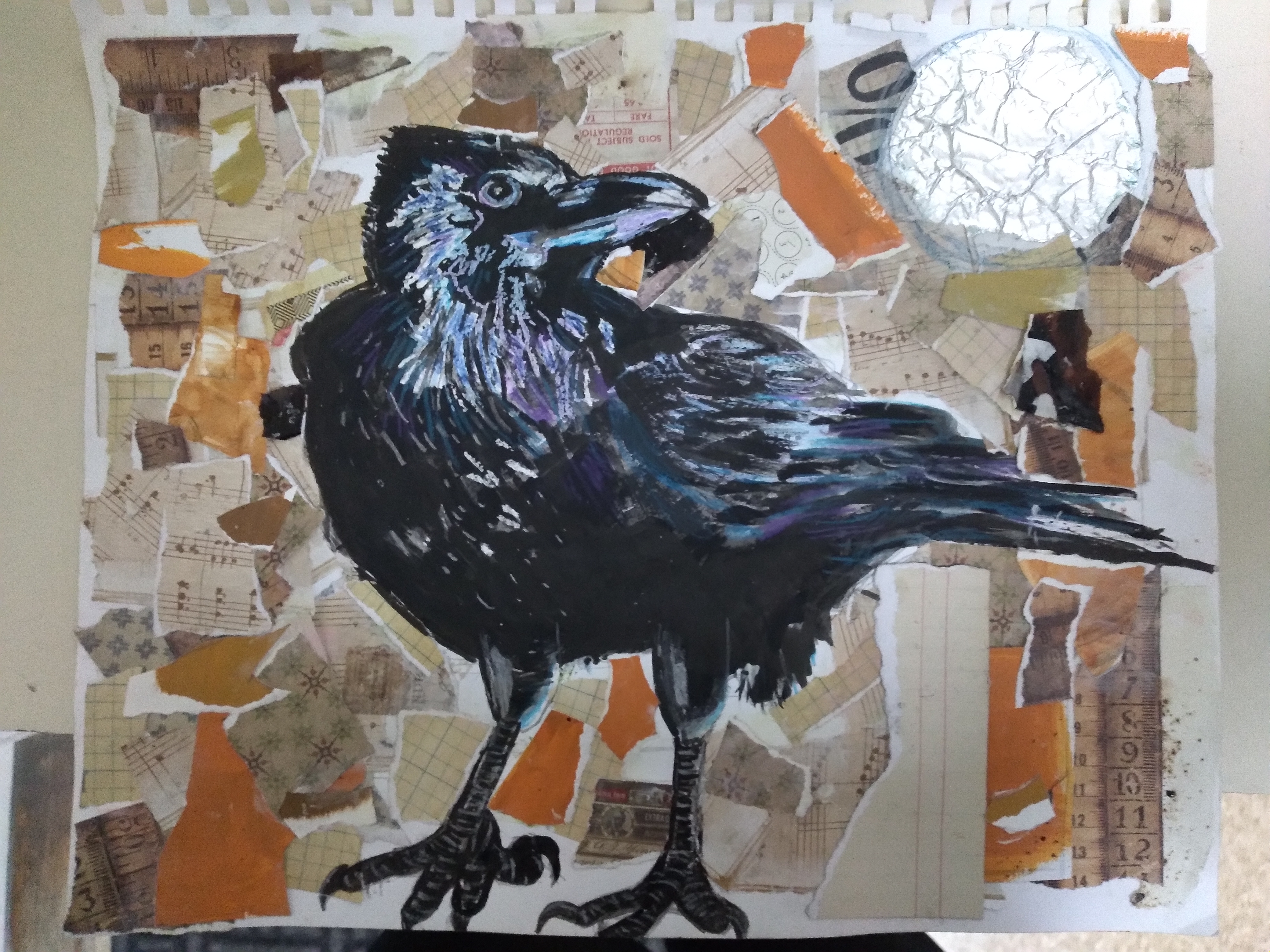
Goldfinch collage, Mixed Media, 9.5 x 12 inches, 2022, Jodie Schmidt. Jodie Schmidt after Karen Margulis, Using a Tunnel Composition, pastel on paper, 2022. This painting was entirely based on a youtube tutorial by Karen Margulis, a pastel teacher extraordinaire, whose art tutorials are available on youtube. Jodie Schmidt after Walter Foster, Still Lifes, pencil on paper, 2022. These drawings are based on art tutorials from one of my favorite drawing textbooks, The Complete Beginner’s Guide to Drawing: More than 200 Drawing techniques, tips, and lessons, Walter Foster, 2016.
If you are a creative type or if you like to make things, you have probably encountered the moment when the finished product you imagined, does not live up to your expectations. Creative types such as musicians, composers, producers, dancers, writers, artists, photographers, cooks, and makers of all types, can probably tell you what it feels like to hit a wall with a project, how it felt, and what they did to navigate that feeling of utter frustration. As an artist, I have experienced this frustration more times than I can count. Some paintings and drawings are simply learning projects and are difficult to salvage, while others can be fixed.
I know it’s been said that you learn more from your mistakes than your successes, but when I get to a point in a painting or drawing and I realize that the painting or drawing doesn’t look right, it can be really frustrating. I start doubting myself, feel like giving up, or doing something that I am not good at, like cooking or cleaning because I know that I am not good at these things, so my expectations of success in these domains are much lower than for painting or drawing since I have no training in cookery or housekeeping. Since I know I am not a good cook, if it doesn’t turn out so well, it’s a waste of ingredients but I don’t feel as emotionally attached to the outcome as I would to a painting or drawing.
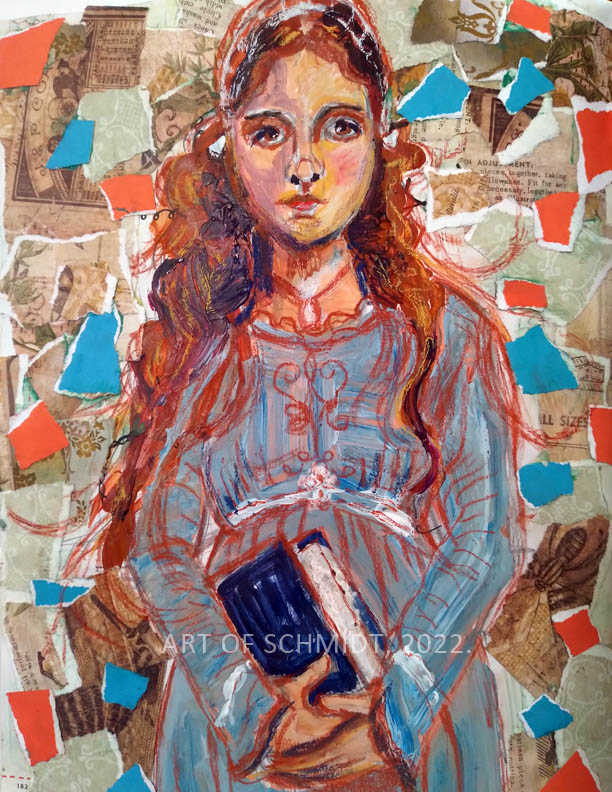
Romola Illustration with Lillian Gish, Mixed Media, Jodie Schmidt, 2022.
I recently read a forum question on the website, Wet Canvas.com, and the question of the day was,” When should I stop working on a painting? I was intrigued by the question, and wondered how other artists dealt with paintings that can “look like a dog’s breakfast.” I read about a variety of solutions suggested by artists who had hit the wall creatively. Some were familiar to me, like my tendency to put the painting away and stop looking at it for a few days, weeks, months, or even longer. Others were not as familiar such as putting the painting somewhere where you can see it, such as on an easel in a living room, and then taking time to look at it from time to time to diagnose the problem. Another favorite technique is to write a list of things I want to change in the painting, be it the drawing, colors, value, edges, etc. In my case, some of the artwork I have abandoned was started about two years ago, and I am just now starting to look at the sketches and Photoshop files.
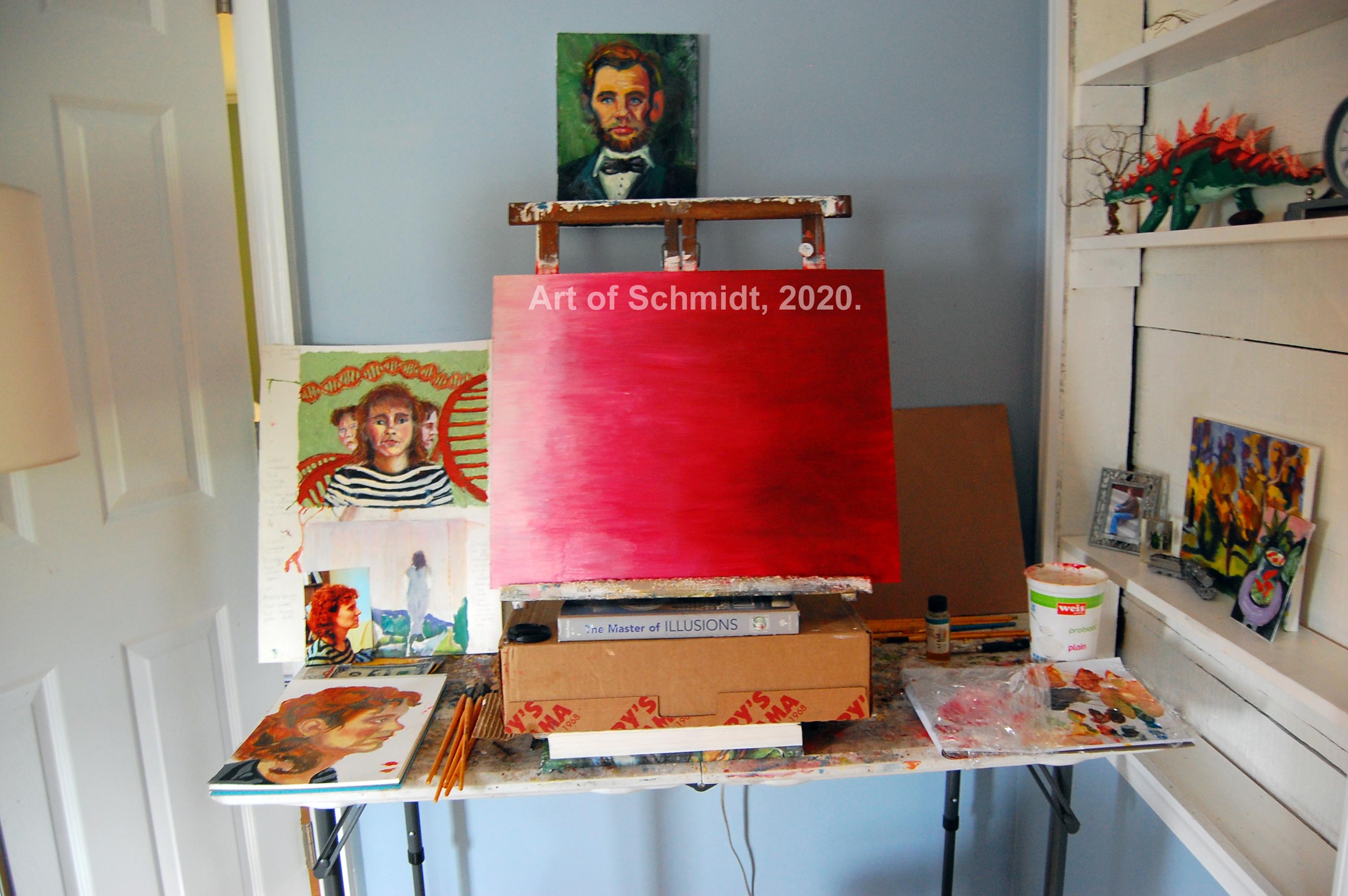
This week I took some time to work some more on my acrylic painting, Waiting: Creative Block. I realized that there were several things bothering me about it. The colors and values, and composition were some of the biggest glaring errors. I am realizing there are many reasons why this painting series of poetry illustration works have been abandoned. One of which was being too busy with other things to give the series the proper amount of time it requires to get things right, such as the composition and the drawing. Since I dropped out of the Social Work program at Frederick Community College, I do have more time to work on paintings.
And since I have deliberately looked at my schedule e and started marking studio days on the calendar, I have more “intentional “time. But I am also realizing just how hard this series is, as I am making some paintings almost entirely from scratch by combining different photo references in Photoshop and then drawing and painting them, with this technique, I do not have the luxury of working from reference photos already taken. I have to look for source material and then combine it to make it my own. This project is highlighting areas of weakness in me as an artist, and one of them is composition. I have a tendency to put everything in the middle and don’t often use more unconventional compositional styles. I want to change that and start looking to master artworks to try and broaden my skills in this area.
Another great way to improve your painting skills is to draw, yes draw. Regularly and in a sketchbook if you can, as much as you can so that you can practice things like composition, color, proportions, etc. It can also help you see patterns in your work, such as a favorite subject you return to, or a color palette. A sketchbook is also a great place to try out a variety of art media since it doesn’t feel as precious as a large painting can sometimes feel. This week I am featuring photos from my old sketchbook to show just how diverse you can be in art media. I include mixed-media collages and colored pencil drawings. The sky really is the limit with sketchbooks!
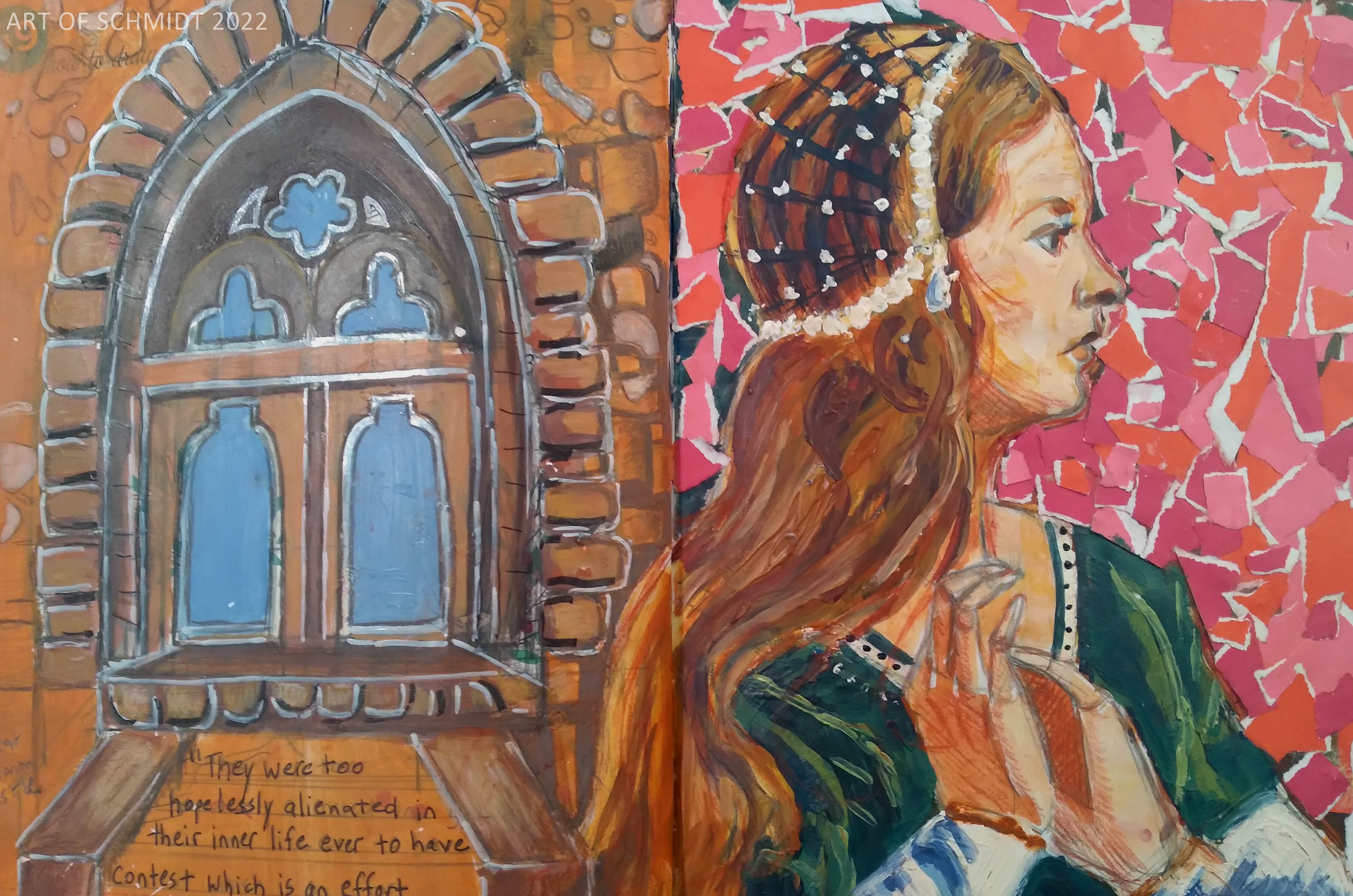
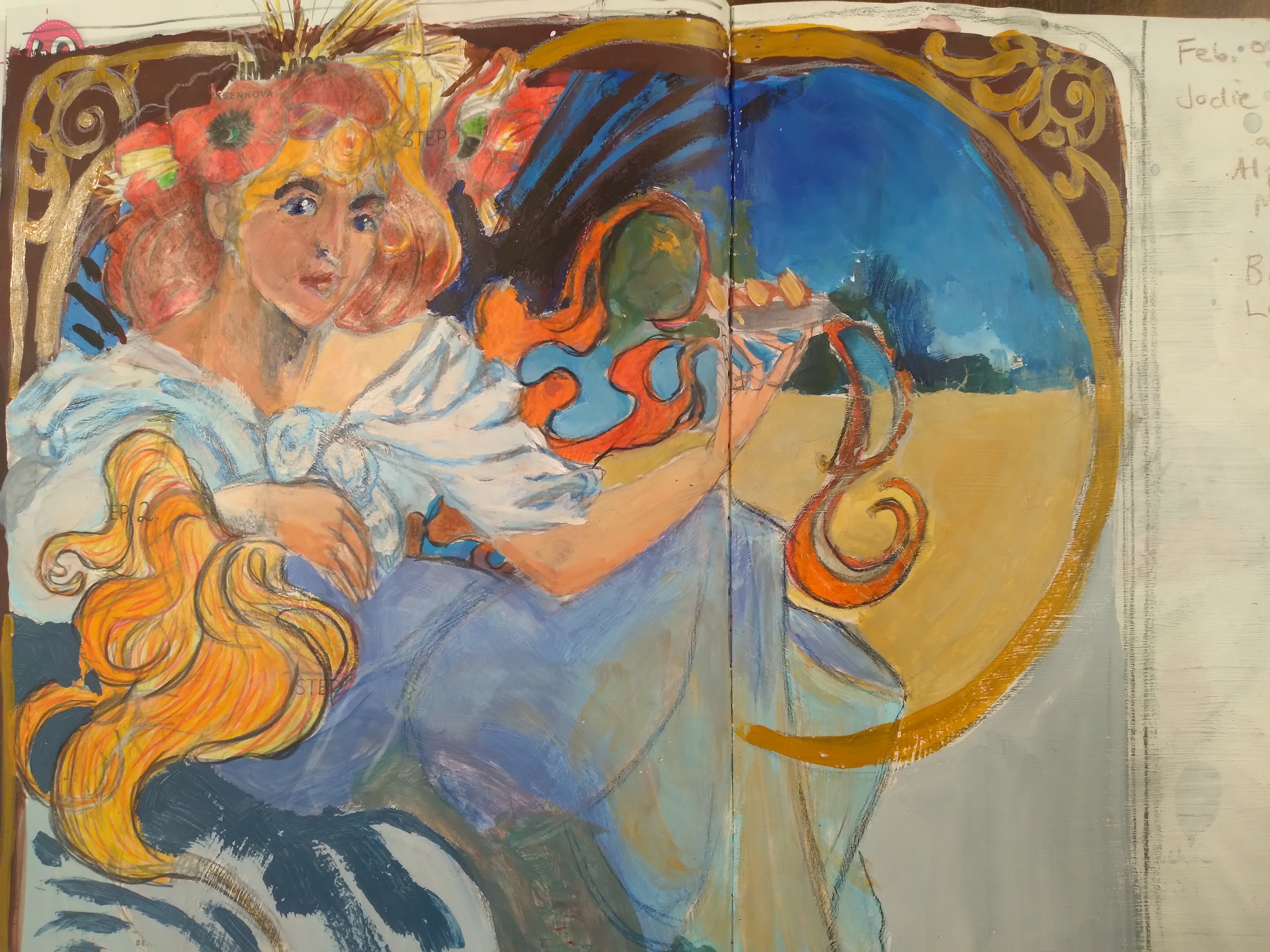
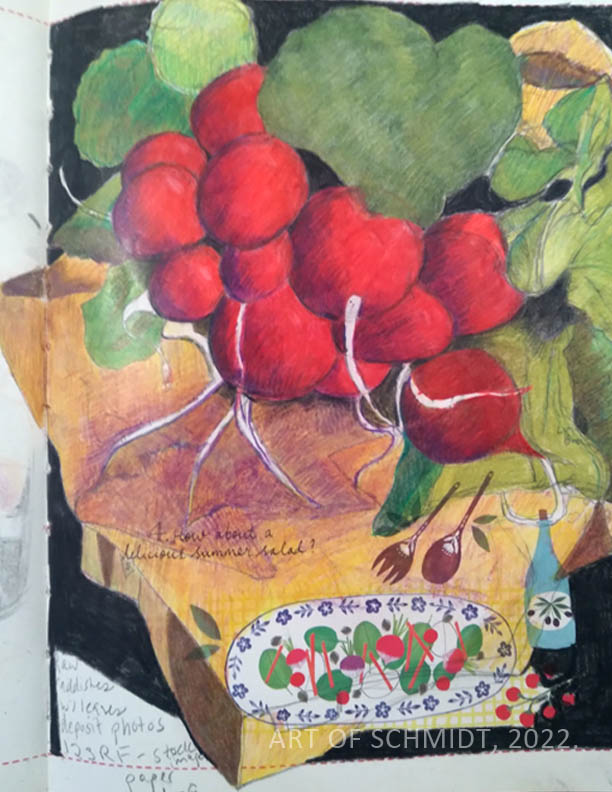
Lillian Gish as Romola, Mixed Media, Jodie Schmidt, 2022. Jodie Schmidt, After Alphonse Mucha, Mixed media, 2022.Fruit Bowl Drawing, Colored pencil, Jodie Schmidt, 2022. Radishes with paper bag, Colored Pencil, Jodie Schmidt, 2022.
This is an archived blog post that I edited today, but the artwork that accompanies it is fresh. It’s a mixed media art collage that tells a story about my family history, growing up in a rural area of Howard County, MD.
It all started with a bad day
It was a tough day in the art studio today. I woke up this morning with very little energy; however, I was determined to make time for art regardless of my lethargic state. After several cups of coffee and a long walk around my neighborhood, I set out to start a cat portrait I have wanted to work on for a while. I set my timer for 25 minutes and started drawing from an art demonstration book. Suffice it to say, the drawing did not go well, at all, despite several attempts to get the proportions of the cat’s body correct. Each attempt just brought on more feelings of frustration. After the third attempt, I finally gave up and put my supplies away, and went to do something else. After working on the cat portrait, I realized that I am really out of practice when it comes to doing animal portraits, as I have been focusing a lot more on floral subjects, which are made up of simpler shapes and less precise in their proportions than animals and people.
What I observed from the day
I tried not to beat myself up about it, or obsess about what my failure to meet my expectations might mean, but I think that this drawing might end up in the growing pile of unfinished artworks, which brings me to today’s topic, which is, what to do with your unfinished artwork. As I mentioned in a previous post, I have several unfinished or unsatisfactory art projects residing in my art studios, such as pastels, drawings, watercolors, and some oil paintings that did not turn out as I had envisioned. This makes me wonder, what should I do with this collection of art misfits? Earlier last week, I serendipitously found the article, “50 Ways to Use Your Unfinished Art,” by Carrie, on https://www.artiststrong.com/50-ways-to-use-your-unfinnished-art/.
What I have done in the past with unsatisfactory art
In the past, I have usually tried to resolve issues with unfinished artwork, sometimes starting over from scratch; i.e. Creating a brand new drawing on a new substrate and re-surfacing the canvas by sanding it with heavy grit sandpaper, so it can be re-gessoed. Other days, when I am more desperate or frustrated, I throw it in the trash, never to be seen again. Unless of course, my husband gets to it before I take out the trash. In which case, he fishes it out and says, ‘Why did you throw this away?” Or, some variation on that theme usually ensues when he finds my rejected art. At this point, the amount of unsatisfactory art and even uncompleted art is starting to grow and I am wondering what should I do with all of this stuff? Give it away to friends/family, donate it to Goodwill, toss or recycle it, or if I am liking this idea more, try to finish the unfinished art and post about it to keep myself accountable. And finally, what about those unsatisfactory pieces that I would otherwise throw away? Can they find a new life in my sketchbook, or in a mixed media piece? In one of my latest collages, I did just that, up-cycled old sketches into a totally new piece! It was so much fun and really got my creative juices flowing! This brings me to another point, I wanted to share that plans are in the works to teach a course that teaches you how to upcycle your old sketches and ephemera and tell your family story through narrative art. I will let you know when the details get finalized!
This spring I am teaching a new course called, Drawing Calm: A Survey of Mixed Media. Have you ever wondered if you can combine more than one art medium? You can, and this course might just be what you are looking for! Click here to learn more: https://delaplaine.org/class/?id=22-4-DR03.
About a century ago (well I exaggerate a little); I was a college student studying art at McDaniel College in Westminster, MD. I had a brilliant and successful art teacher named Steve, who demonstrated how the practice of art-making and the hatching of new ideas could be brought to life, using a sketchbook. He taught me many useful things, such as how to keep an art sketchbook pasted with photos of artwork by artists I admired, and how to write an artist statement that reflected my unique artistic voice. Above all, his most important advice was that I should draw every day. At the time, that task seemed quite difficult to stick with. I was always an impatient artist as a student and I often rushed through the drawing stage to hurry up and get to the painting. I learned later that that was a mistake. Now that many years have passed since my graduation from McDaniel, I can truly see the wisdom of his advice.
In hindsight, I realize that he was so right about drawing every day. Now, I no longer rush artwork and I have learned to love drawing, whether it becomes a painting or not. In fact, I have embraced his advice of a daily drawing habit at various times in my life, and I have worked on several art challenges for both human portraiture and pet portraits on my Instagram account. One of these challenges is called 100 faces in 100 days, in which I drew a pre-selected photo of a celebrity using only pencil and paper. I did not add in a lot of detail or shading and I limited myself to 45 minutes a day. The process of a drawing challenge gave me many opportunities for both successful drawing and ones that I didn’t like, but it helped me to see my progress, and that the practice bore much fruit in terms of learning to take the time to really observe my photo references and record my observations on paper. You could say drawing is akin to yoga or meditation because you need to be completely mindful in order to capture the nuances prevalent in realistic drawing.
At present, I am struggling to carve out time for drawing. Sandwiched in between working, and preparing an art portfolio for graduate school applications, and other responsibilities, I am striving to make time at least 1x a week to draw. This time, I am focusing on making mixed media pastel and torn paper collage drawings. These take several days to complete so I only post about 1x a week on my Instagram account. But this working process works well for me, as the breaks in the
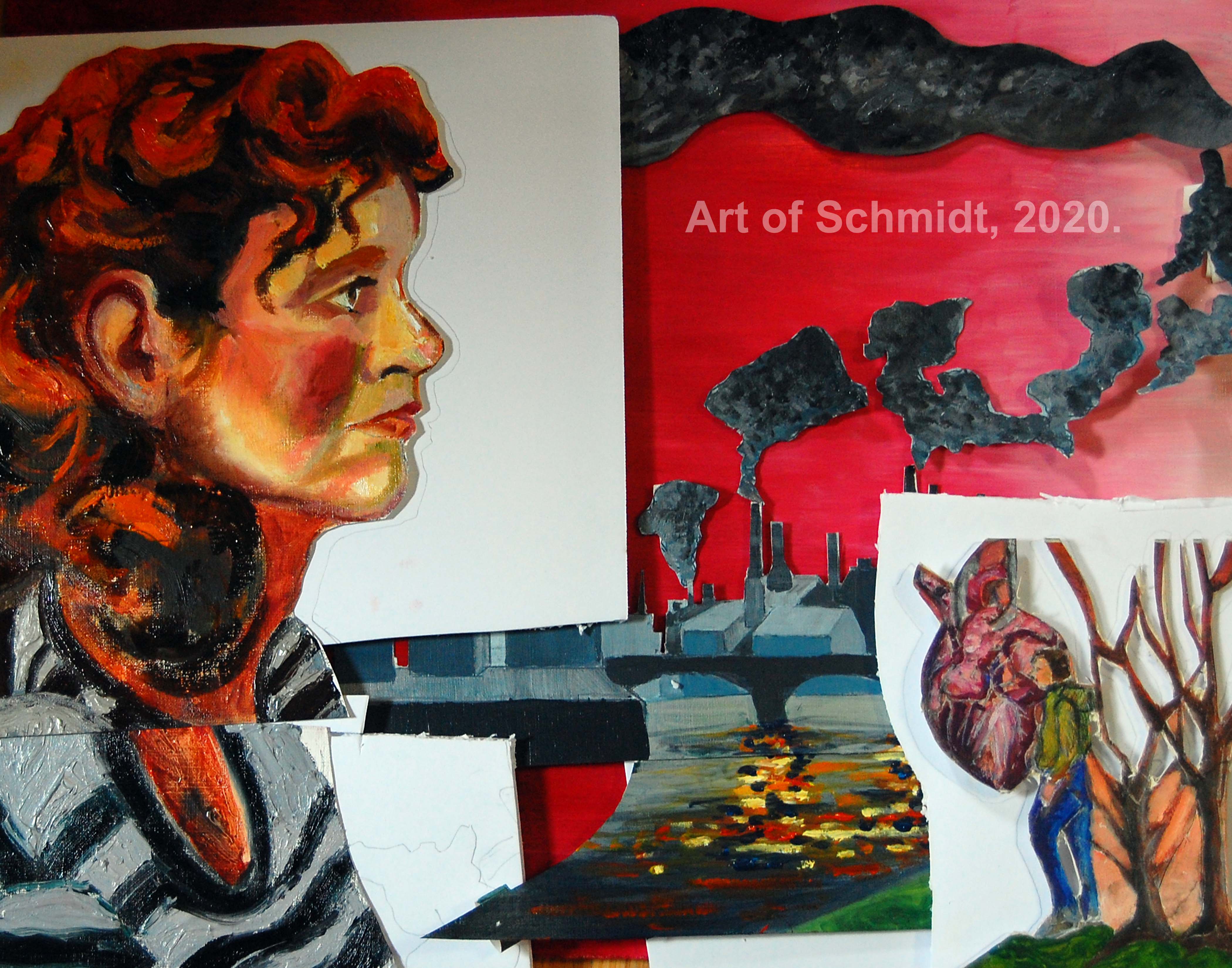
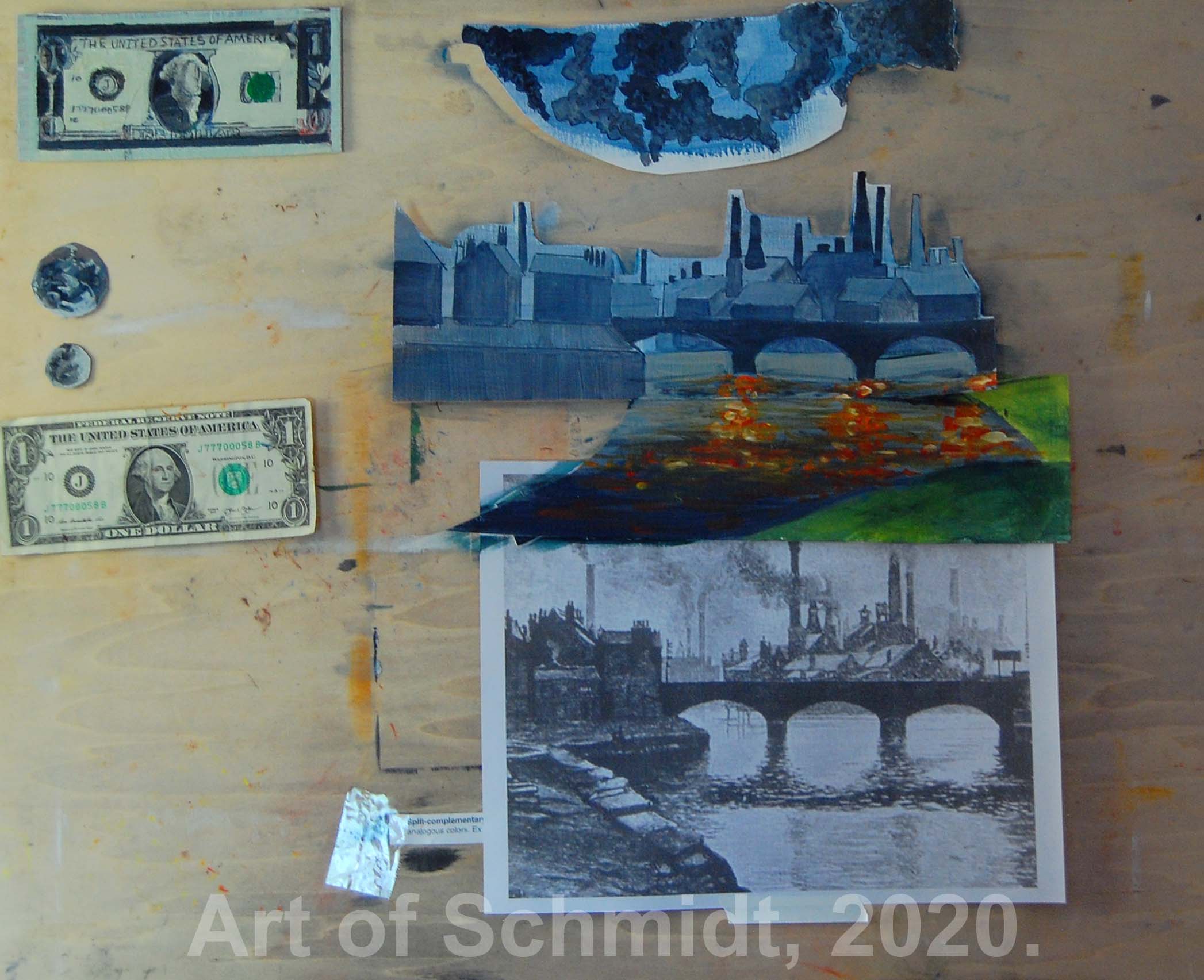
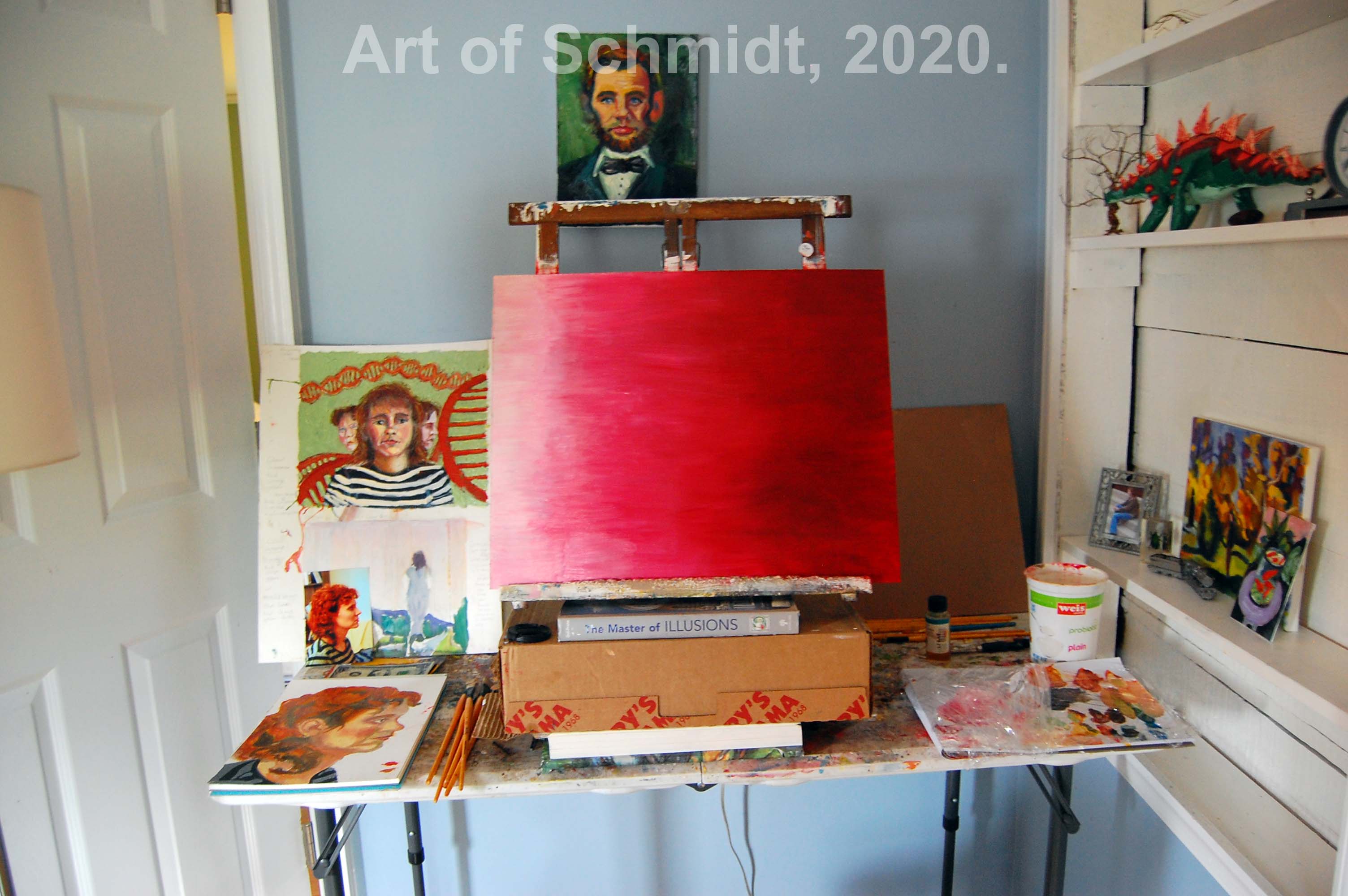
Stage 4: I began composing this piece by moving elements of the collage back and forth until I was happy with them. Then I had to cut them all out and paste them to the masonite. I created an entirely new sketch for the self-portrait and painted it in oils instead of acrylic so I could get more working time to blend and smooth the edges.
Stage 3: Next, I decided to paint my individual details and then add them to the substrate as collage pieces. I had to try several different adhesives to make these collage pieces stick from crazy glue to heavy acrylic gel, with varying degrees of success. The collage pieces were constructed on the illustration board, and are remnants of my first attempt at this painting. I used canvas paper for the parts I completely re-painted, such as the self-portrait profile figure.
Stage 2: I started an entirely new painting on a new surface, using water-mixable oils on a masonite board as my support.
Stage 1: This was my initial sketch, created with acrylic, colored pencil, and pastel on illustration board. However, I wasn’t happy with it because of the colors, and some drawing errors in the self-portrait. I also decided to go with a more realistic style in the portraits and paint in tone rather than crosshatching in the final piece.
action, give me additional time to evaluate the accuracy of my drawing proportions and the values in my shading. The most important take away I can say about drawing and getting good at it, is that it really helps your art practice to flourish. For instance, once you have the drawing and composition mastered, you can enjoy the next step more fully, whether its collage, painting or some other art form such as graphic design or sculpture. With an accurate drawing, you won’t have to worry about continuing to fix it and can fully embrace your next steps, and I am learning that it’s so much better to take the time and lay a good drawing as your foundation for your art.
A good case in point was my latest painting in progress, Money is the Bait, which started out unsatisfactorily because of several drawing errors in the initial portrait. I ended up starting from scratch in oils on a totally new surface, and it still isn’t finished. I hope to finish it by next week. Thanks for stopping by! If you want to follow my progress with the mixed media portraits, you can follow me on Instagram under my profile name, jsjschmidt.
Mixed media Explained: Part 2, Types of Mixed Media
Hello friends, family, and fans,
This week I am continuing to elaborate on the theme of mixed media art, and I will be highlighting specific types of mixed media art, such as sculpture, assemblage, and torn paper collage. Last week I covered a broad definition of mixed media art, and I also explored the historical roots of this art form, through the artwork of Pablo Picasso and Georges Braque. They began making cubist collage works in 1912, with a variety of materials including canvas and rope. (Source: Eapen, Boaz. 15 Inspiring Mixed Media Art Portfolios that You Must See, retrieved from November 12, 2019, pixpa.com.)
The following is a list of some frequently used types of mixed media art:
Sculpture: A sculpture can be made with a variety of materials; therefore, it can be classified as mixed media art. Some materials which can be used to create sculpture include wood, glass, wire, metal, or readymade objects, etc. To begin, you can start by making a base for your sculpture and then, incorporate other media to the piece such as paint. (Source: ibid.) While writing this blog post, I found a fascinating sculptor through an internet search, who specializes in fantastical animals with a surreal twist, named, Ellen Jewett. To see her work, go to my modern met website at https://mymodernmet.com/surreal-animal-sculptures-ellen-jewett/.
Collage: A collage can be defined as a base, or a surface such as wood, paper, stone, or anything which is adhered to another material such as paper or fabric. (Source: ibid.) You can use a variety of materials in a collage such as newspaper cuttings, photographs, ink, paint, magazine cuttings, fabric, etc. The artist, Romare Bearden (1911-1988), specialized in creating collages based on the African American narrative, using imagery from magazines, such as Look, Life, and Ebony. (Source: Romare Bearden Biography, (1911-1918), retrieved from, https://www.biography.com/artist/romare-bearden
Assemblage: A close cousin to collage, assemblage has three-dimensional characteristics, which are composed in a new way to create a narrative. Readymade objects, such as children’s toys or items from the great outdoors, such as leaves or flowers can provide valuable fodder for this type of art. For instance, the artist, Joseph Cornell, (1903-1972) made assemblage boxes out of shadow boxes, photos, “Victorian bric-a-brac”, etc. He collected these items in junk shops throughout New York City and re-imagined these items to create artwork that expressed nostalgia. (Source: Wikipedia, Joseph Cornell, retrieved from https://en.wikipedia.org/wiki/Joseph_Cornell.)
With all of these options, it can be overwhelming to know where to begin your next project. As for myself, I like to look for supplies that are easy to find and relatively inexpensive. One good starting point for a mixed media project could be using paper as a surface or substrate. I have used Crescent cold press illustration board for my latest mixed media projects, which is a combination of cardboard and “100% cotton rag cold-press surface”. (Source: https://www.cheapjoes.com/crescent-no-310-illustration-boards.html#:) My self-portrait pieces were made with a combination of wet and dry media such as acrylic paint, gouache, oil paint, and soft pastels to add texture and interest. There are many other ways to use paper as well in different types of mixed media projects such as torn paper collage, and printmaking, but this is just the tip of the iceberg. The possibilities are endless!
For example, below is a list of ways in which you can use paper in a mixed media project:
Printmaking: There are many types of printmaking such as linoleum block prints, silk-screen prints, and Gelli-plate printing. To make prints, you will need a surface on which you place or carve an image and then transfer it to your paper through various means. For instance, in linoleum block printing you can transfer your image on the block to the paper by applying ink to your design, and then pressing the block onto your paper to make a print. The supplies you will need may vary depending on what type of printmaking you choose to work with. To learn more, you can go to https://www.metmuseum.org/about-the-met/curatorial-departments/drawings-and-prints/materials-and-techniques/printmaking. (Source: The Beginner’s Guide to Making Mixed Media Art, 20 September 2018, retrieved from format.com).
Torn paper collage: Use pages from old books, or many other sources such as newspapers, photographs, sheet music, notes, any paper you find around your house, construction paper, scrapbook paper, etc. From these ingredients, you can assemble a new image, called a college. (Sources: https://www.dentonisd.org/cms/lib/TX21000245/Centricity/Domain/6555/Torn%20Paper%20CollageWEB.pdf, and Format Team, The Beginner’s Guide to Making Mixed Media Art, 20 September 2018, retrieved from format.com).
The sky is the limit as far as what you can do here, although it’s a good idea to find out what the journal is made out of and what media it accepts, before attempting to paint in it. I recently obtained a Strathmore mixed media art journal from Amazon. It’s made of Bristol paper with a vellum finish. It’s designed to work well with dry media such as pencil, charcoal, and pastel. Or it can be used with pen and ink, marker, or college papers.
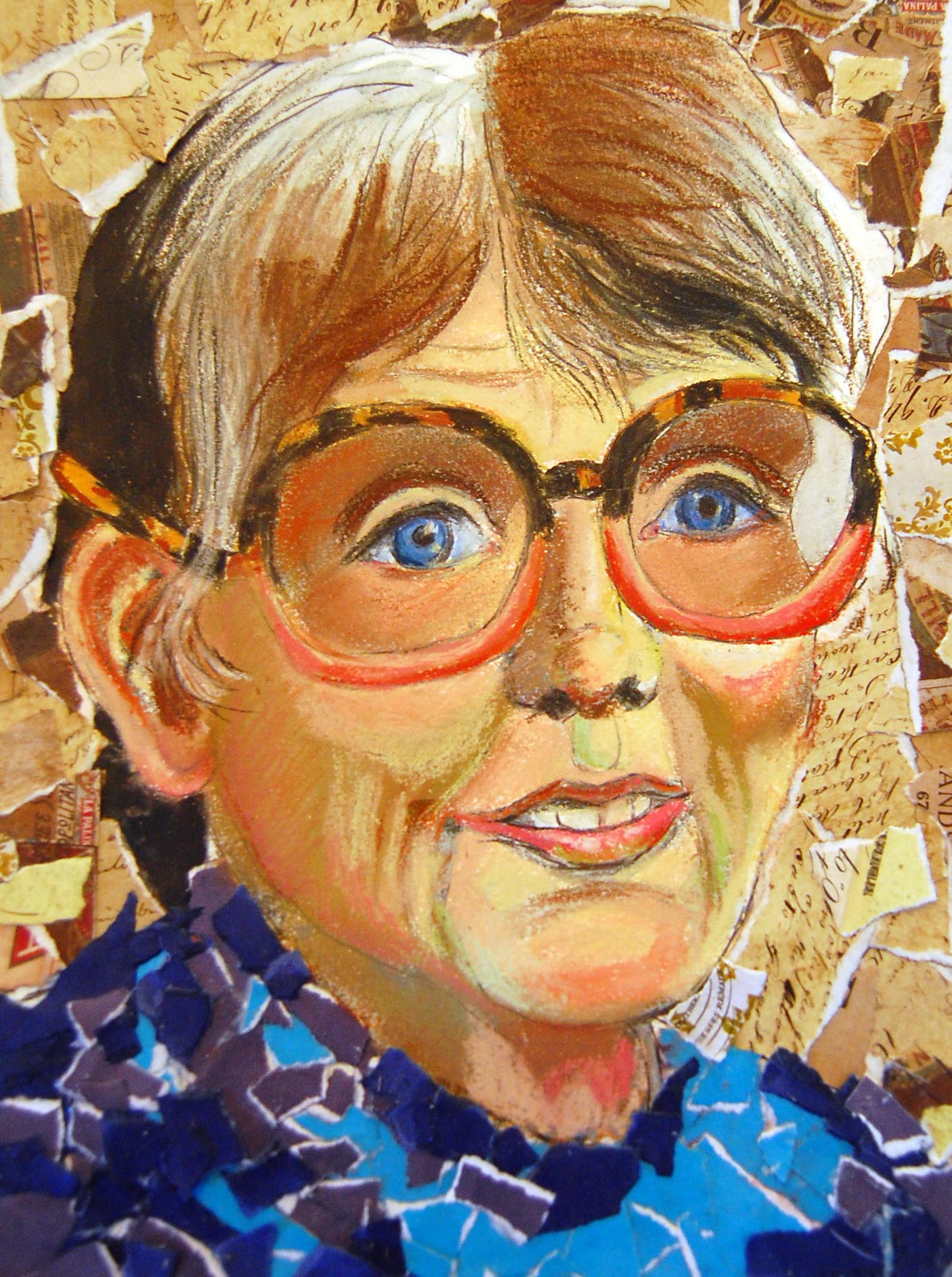
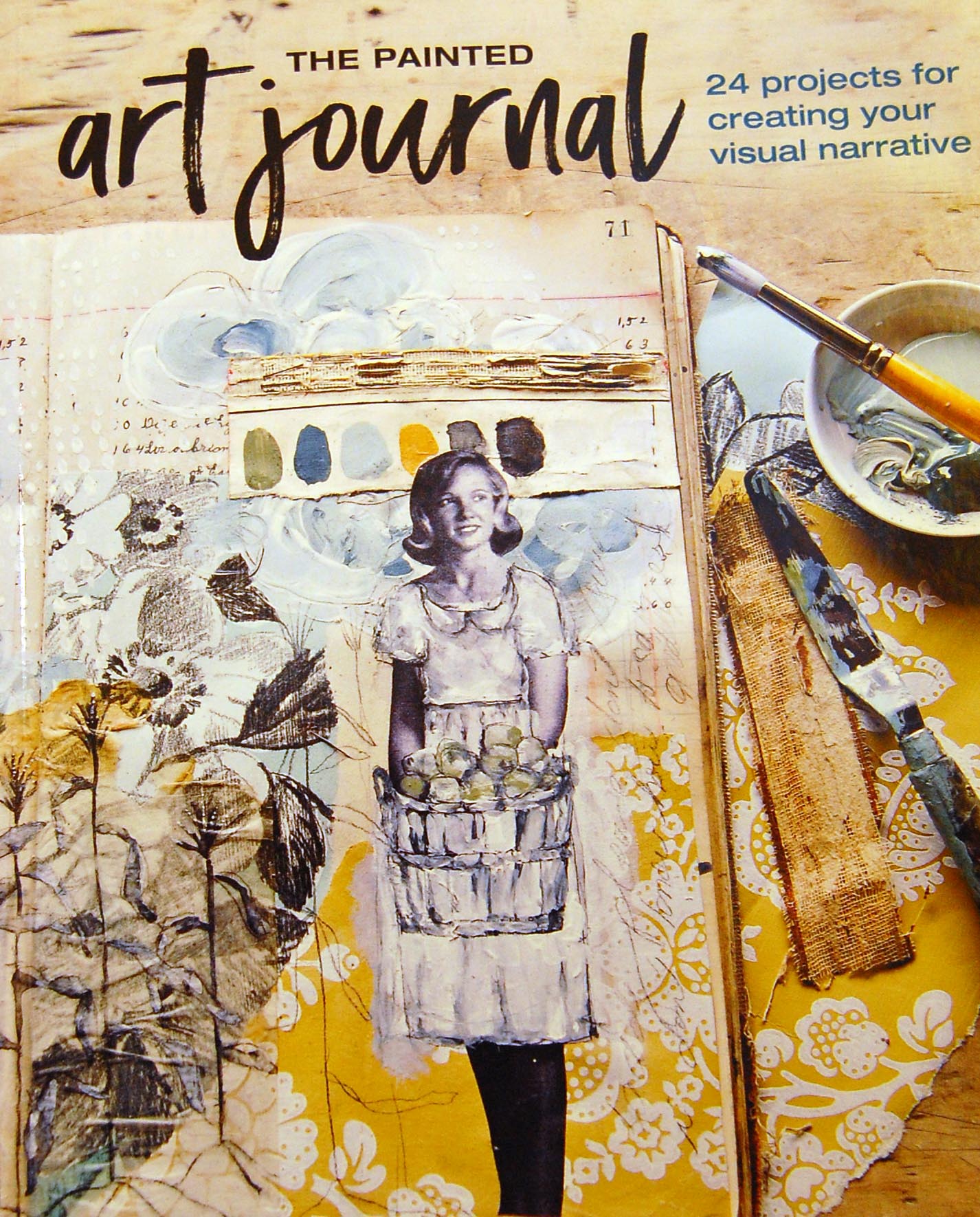
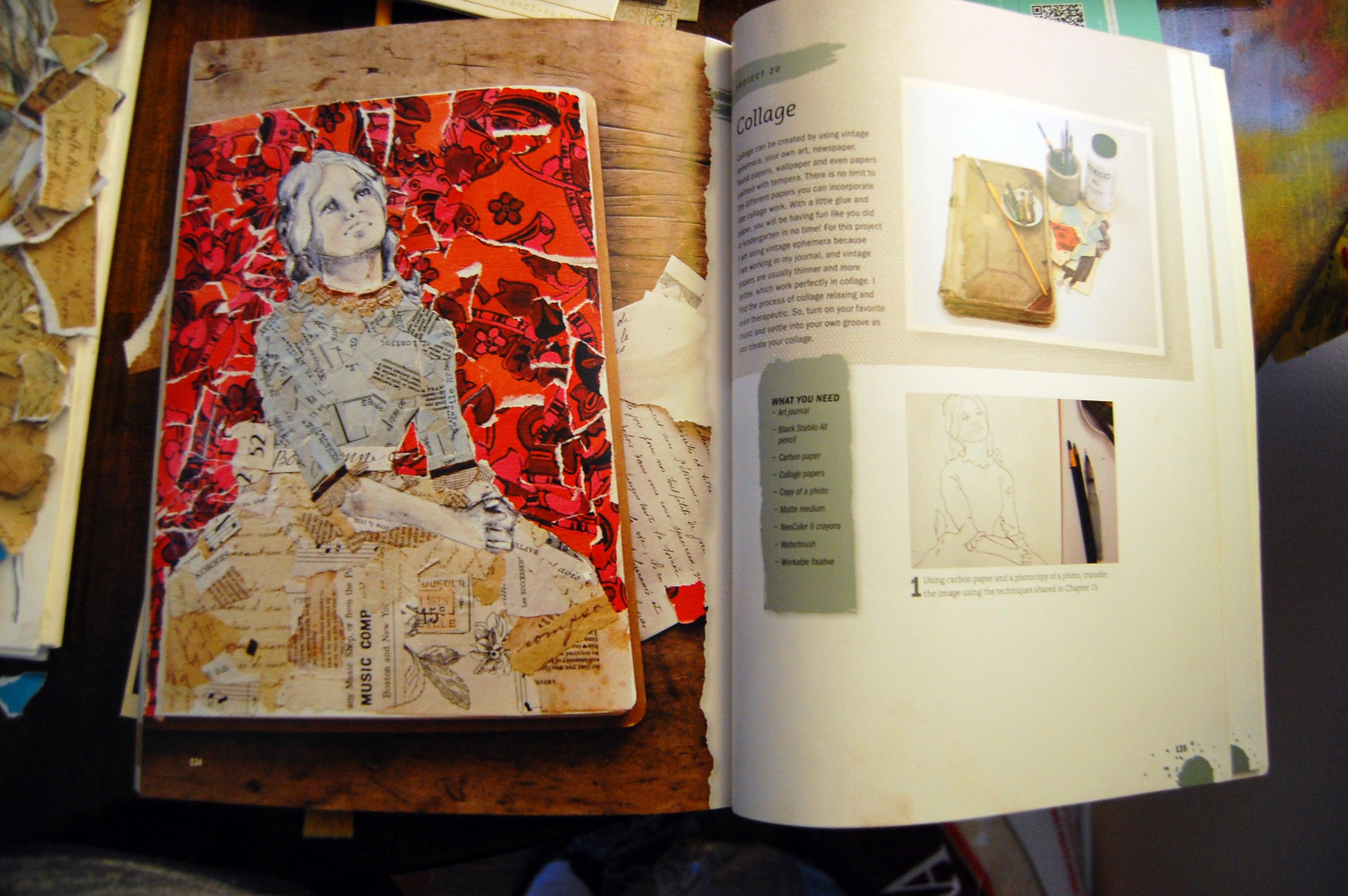
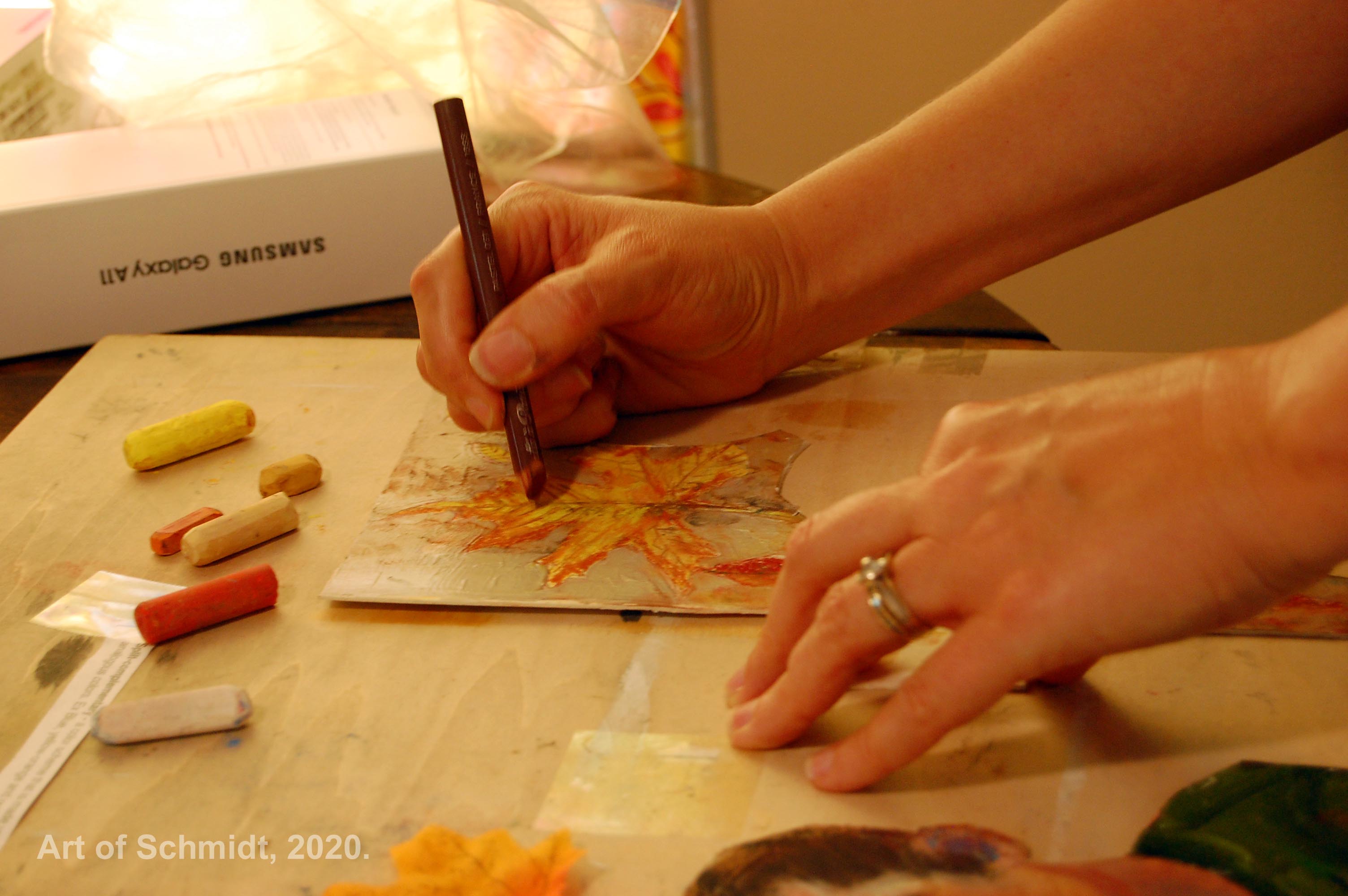
I’m hoping to use this journal to start some new projects from the Skillshare art classes I am taking online. Today, I tried my hand at the torn paper collage technique, and I used the tutorial by Jeanne Oliver provided in her book, The Painted Art Journal, which I highly recommend! My artwork was based on a family photo of my grandmother, Gladys Carter. Starting with a tracing of a sketch, I transferred the image to mixed media paper, using carbon paper and a pen. Then, I used a variety of different media here, with soft pastel, watercolor pencil, water, and torn papers affixed to the mixed media paper substrate. I’m hoping to post photos of this portrait project in next week’s blog post, I ran out of time today and had to go to work this afternoon. It’s a work in progress, and getting outside of my comfort zone to mix up all these different media types! That’s it for this week! Thanks for reading.















 Art of Schmidt